
Famagusta
Cyprus · 6 places
Photo: A.Savin, FAL
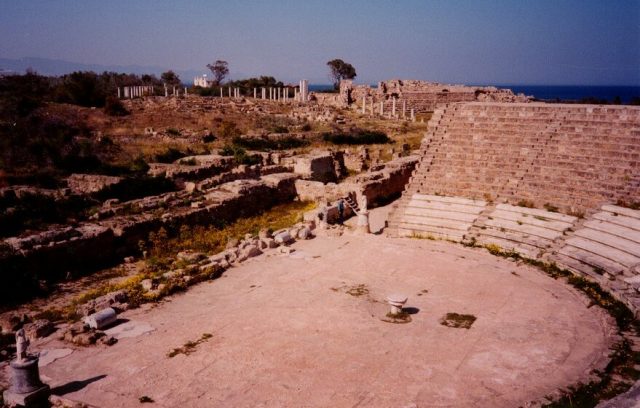
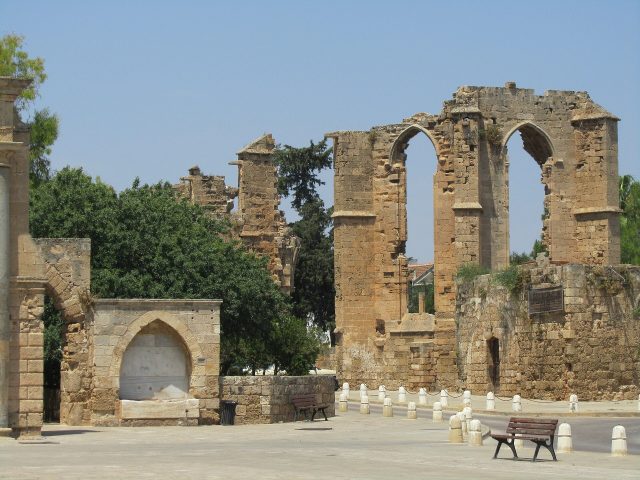
Famagusta is a city where time seems to pause, yet it never truly stands still. Nestled on Cyprus’s eastern coast, where the Mediterranean meets ancient stone walls and winding alleys, it carries the weight of centuries without feeling like a relic. Byzantine churches, Venetian fortresses, Ottoman mosques, and British colonial buildings all share the same streets, each layer of history visible in the weathered facades and quiet courtyards. But Famagusta isn’t just a living museum—it’s a place where the past and present coexist, where locals and visitors move through the same spaces, and where the rhythm of daily life feels effortlessly intertwined with the stories of those who came before.
The old harbor is the city’s beating heart, once a bustling trade hub, now a serene stretch of water reflecting the peeling paint of colorful houses. Walking along the waterfront is like flipping through the pages of a history book—crumbling medieval walls stand beside modern cafés serving grilled octopus and crisp white wine. Evenings are particularly magical, when the setting sun turns the stone golden and the sea deepens into shades of violet. It’s easy to imagine the harbor whispering its secrets if you listen closely enough.
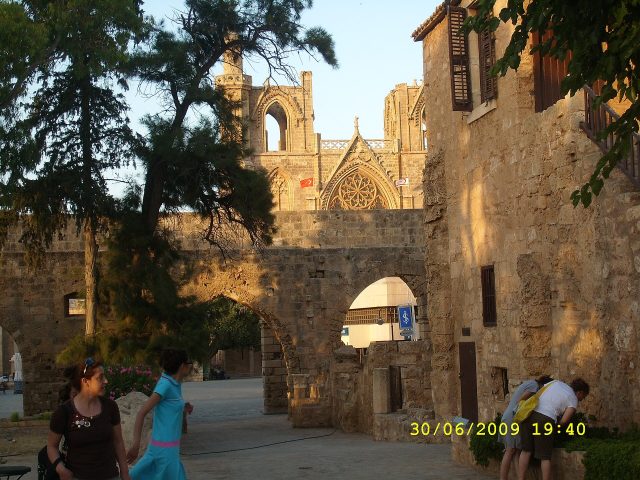
One of the city’s most striking landmarks is the former Cathedral of Saint Nicholas, later converted into the Lala Mustafa Pasha Mosque. Its Gothic arches and intricate stonework hint at a time when Famagusta was one of the Mediterranean’s wealthiest cities. The square in front buzzes with life—students rushing to class, old men playing backgammon under the shade of umbrellas, tourists snapping photos of the centuries-old buildings. Nearby, the narrow streets of the old town twist and turn, revealing hidden courtyards and small shops selling handmade lace and olive wood carvings.
Beyond the ancient walls, modern Famagusta hums with its own energy. Sandy beaches stretch along the coast, offering a quiet escape from the midday heat, while lively markets overflow with spices, fresh produce, and handcrafted souvenirs. The fish market is a must-visit in the early hours, when fishermen unload their catch and vendors start grilling sardines and sea bass for the day’s first customers. A short walk away, family-run tavernas serve dishes passed down through generations—slow-cooked lamb, stuffed vine leaves, and honey-drenched desserts that taste like they haven’t changed in decades.
The city is encircled by the remains of its once-mighty fortifications, now a peaceful place for evening strolls. From the top of Martinengo Bastion, the view stretches across the rooftops to the sea, and it’s not hard to picture the city under siege centuries ago. Beyond the walls, gardens and parks offer shade and quiet, where locals escape the summer sun beneath fig and carob trees. Climb to one of the lookout points, and the entire panorama of Famagusta unfolds—ancient ruins blending seamlessly with the modern city, the sea shimmering in the distance.
Famagusta has a way of surprising you, no matter what you’re looking for. Some come for the history, others for the sun and sea, and a few simply to soak in the unhurried pace of Mediterranean life. It’s not a place of grand resorts or tourist traps, but neither is it a sleepy backwater. Instead, it feels like a city that has quietly perfected the art of living—where every corner holds a story, and where the past isn’t just remembered, but still very much alive.
See & Do
6 places


Places on the map
Marker colour follows the categoryClimate and weather
Detailed weather: Famagusta- Average temperature
- 21 °C
- Precipitation per year
- 328 mm
- Sunshine hours per day
- 7.6 h
Average air temperature
°C
13
13
15
19
23
26
29
29
27
24
19
15
Jan
Feb
Mar
Apr
May
Jun
Jul
Aug
Sep
Oct
Nov
Dec


