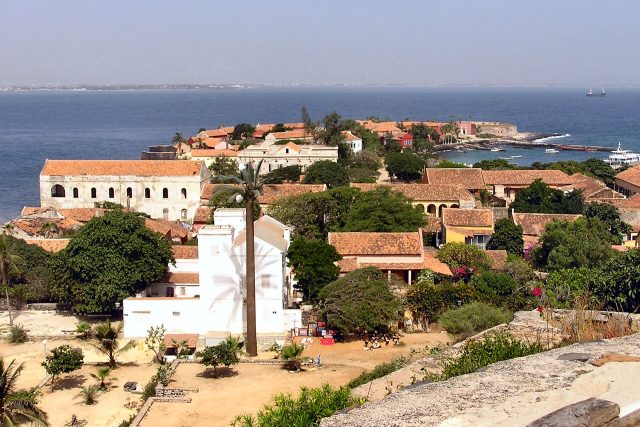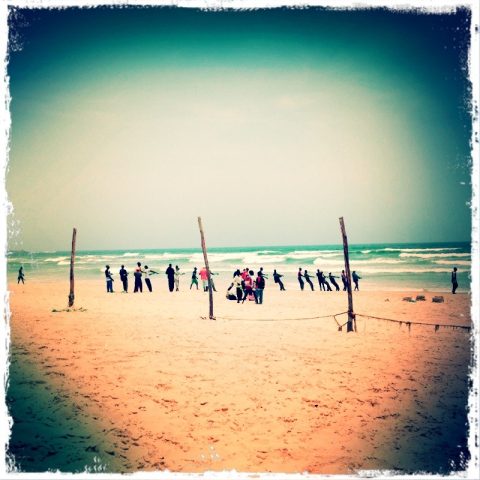
Weather overview
Dakar enjoys a warm tropical climate with distinct dry and wet seasons. From November to May, Дакар sees almost no rain, offering sunny days and comfortable temperatures. The dry season is ideal for exploring the city’s coastal areas and cultural sites without weather disruptions.
The wet season in Дакар begins in June and peaks in August and September, bringing heavy rainfall and higher humidity. While the rain can be intense, it usually doesn’t last all day, leaving room for outdoor activities between showers. The city’s lush greenery during this time contrasts beautifully with its dry-season landscapes.
Temperature
Temperatures in Дакар remain mild year-round, with averages ranging from +21.3 °C in March to +28.5 °C in October. The coolest months, January and February, see daytime highs around +26–27 °C, while nights dip to +19 °C, offering a pleasant break from the heat.
From June to October, Дакар warms up, with daytime temperatures often reaching +30–31 °C. The hottest period is September and October, when the air feels warmer due to rising humidity. Evenings remain balmy, making it a great time to enjoy the city’s beaches or waterfront dining.
The ocean near Дакар mirrors the air temperature trends, cooling to +18 °C in March and warming to +29 °C by October. The water is most inviting from June to November, perfect for swimming, surfing, or simply relaxing by the shore.
| Month | Minimum | Maximum |
|---|---|---|
| January | 20.1 | 27.2 |
| February | 19.1 | 26.1 |
| March | 18.8 | 25.2 |
| April | 19.7 | 25.8 |
| May | 21.6 | 27 |
| June | 24.1 | 29.2 |
| July | 25.6 | 30.5 |
| August | 25.9 | 30.8 |
| September | 25.4 | 30.9 |
| October | 25.7 | 31.6 |
| November | 23.9 | 30.5 |
| December | 21.8 | 29 |
Precipitation
Дакар is one of the driest capitals in West Africa, with most of its annual rainfall concentrated in just a few months. The dry season, from November to May, sees almost no rain, making it the most predictable time for travel. Even in January and February, you might encounter only a trace of precipitation.
The wet season in Дакар arrives in June, but the heaviest rains fall in August and September, with monthly totals exceeding 200 mm. Downpours are often short but intense, sometimes causing temporary flooding in low-lying areas. By October, rainfall decreases sharply, and November marks the return of dry weather.
Despite the rain, Дакар’s wet season has its charm. The city’s vegetation thrives, and the air feels fresher after a storm. If you don’t mind occasional showers, this period offers fewer crowds and a more authentic glimpse of local life.
| Month | Precipitation |
|---|---|
| January | 0.2 |
| February | 0 |
| March | 0 |
| April | 0.1 |
| May | 0 |
| June | 8.2 |
| July | 54.4 |
| August | 200.1 |
| September | 224.8 |
| October | 41.5 |
| November | 0 |
| December | 0.7 |
What to pack
For a trip to Дакар during the dry season, pack lightweight, breathable clothing to stay comfortable in the warm but not oppressive heat. A light jacket or shawl is useful for cooler evenings in January and February, when temperatures can drop to +19 °C. Don’t forget sunglasses, a hat, and sunscreen to protect against the strong tropical sun.
If you’re visiting Дакар in the wet season, waterproof footwear and a compact umbrella are essential. Quick-dry clothing will help you stay comfortable in the humidity, and a light raincoat can be handy for sudden downpours. A small backpack for day trips will keep your belongings dry during unexpected showers.
Regardless of the season, Дакар’s coastal location means the ocean breeze can be refreshing but also chilly in the evenings. A light sweater or long-sleeve shirt is a good idea, especially if you plan to spend time by the water. Comfortable walking shoes are a must for exploring the city’s vibrant streets and markets.
| Month | Wind speed |
|---|---|
| January | 4.4 |
| February | 5.2 |
| March | 5.4 |
| April | 5.5 |
| May | 4.7 |
| June | 3.8 |
| July | 3.6 |
| August | 3.4 |
| September | 2.9 |
| October | 3 |
| November | 3.8 |
| December | 4.3 |