Hann Park is one of those rare places in Dakar where the city seems to pause, take a breath, and let go of its usual rush. Tucked away on the Cap-Vert peninsula, it stretches between the bustling neighborhoods and the coastline, offering a quiet escape without ever leaving the capital. Unlike the crowded tourist spots or noisy markets, this park feels more like a large urban garden—somewhere people come to find their own kind of peace. Some seek silence, others a place to walk, and many just want to sit on a bench and watch the trees sway in the breeze.
The park’s history is woven into Dakar’s growth over the last century. During the colonial era, this land was part of the outskirts, where French authorities experimented with agriculture and botany. After Senegal gained independence, the area slowly transformed into a public space, though it kept traces of its scientific past. Today, you’ll still find rare trees brought here decades ago to study how they adapted to the local climate. Some have become living landmarks, outlasting generations of Dakar’s residents.
There’s no grand architecture here, and that’s part of the charm. The park’s design is understated—light pavilions, small bridges over ponds, and winding paths that guide you through the greenery without distracting from it. At its heart lies a quiet lake where ducks glide across the water and herons occasionally wade along the shore. On hot days, the surface shimmers under the ocean breeze, offering a cool respite from the city’s heat.
Beyond its role as a retreat, Hann Park is a vital part of Dakar’s ecosystem. It acts as the city’s lungs, cleaning the air and softening the climate in this densely built area. In recent years, there’s been a push to restore and protect it—planting new trees, creating habitats for birds and insects, and teaching local children about conservation. For many Dakar residents, the park is a way to connect with nature without leaving the city, a reminder of how important green spaces are in a rapidly urbanizing world.
The pace here is slow, almost old-fashioned. Mornings belong to joggers and yoga enthusiasts, while families arrive in the afternoons with children in tow. By evening, the park fills with those who just want to sit in the shade and listen to the birds. Weekends are especially lively—picnics on the grass, photos against blooming shrubs, and leisurely strolls that make the city feel less crowded. There are no strict rules; you can bring food, play games, or even strum a guitar if it doesn’t disturb others.
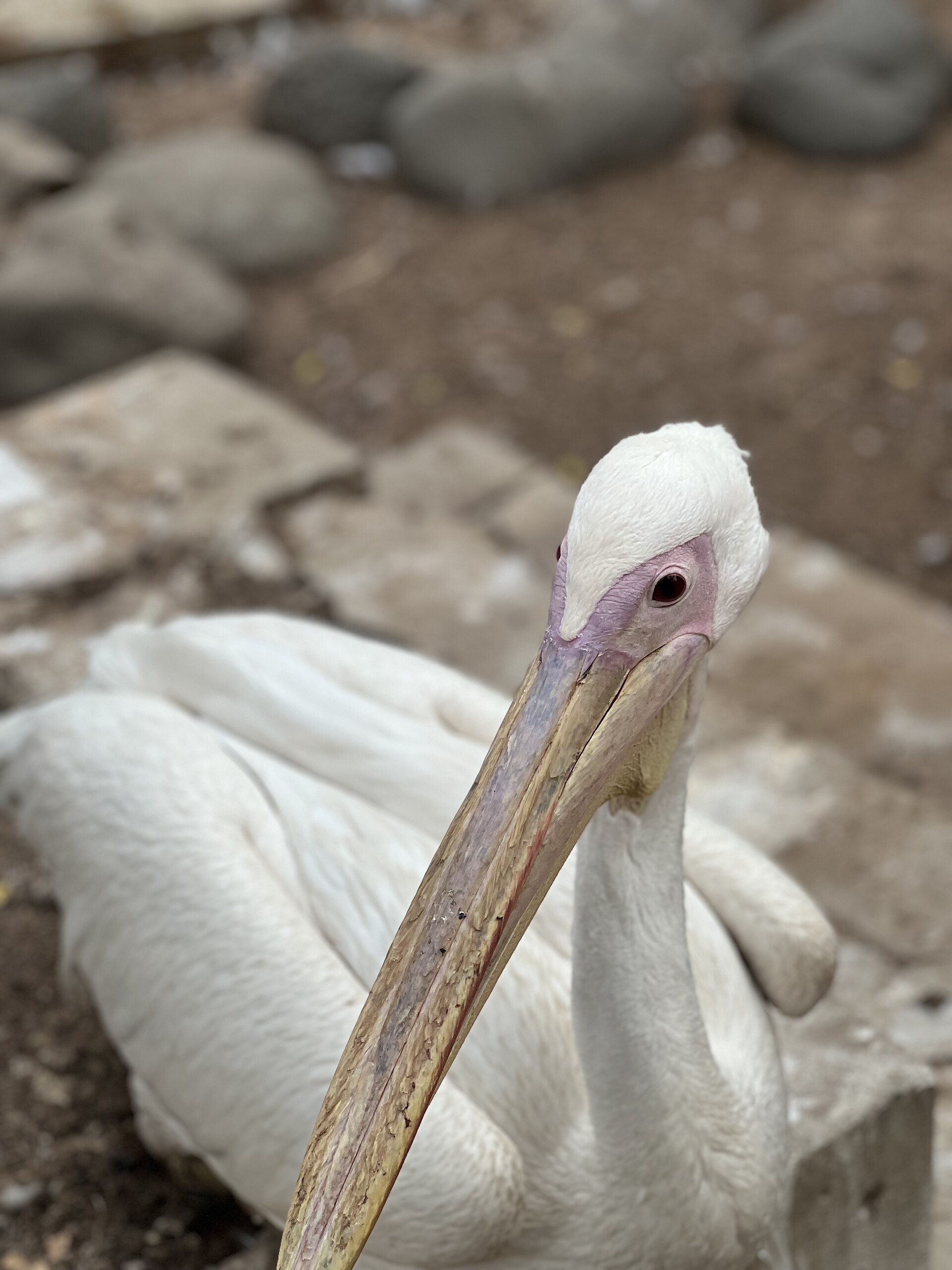
A small zoo within the park has been here since the mid-20th century, home to animals native to West Africa—monkeys, ostriches, crocodiles, and a variety of birds. It’s not a grand or modern facility, but for many Dakar children, it’s their first encounter with wildlife. Adults, too, visit to see animals they’ve only read about or watched in documentaries, a small window into the region’s natural heritage.
Hann Park is also where different sides of Dakar life intersect. Students study under the trees, elders play chess on benches, and artists sketch the scenery. It’s a microcosm of the city itself—loud, diverse, but warm, where people from all walks of life find space for simple pleasures. There’s no need to rush or prove anything; the park invites you to just be.
Like many urban green spaces in developing cities, Hann Park faces challenges—encroaching construction, funding shortages, and waste management issues. Yet locals and authorities work to keep it alive, organizing clean-up days and fundraising efforts. For many Dakar residents, the park isn’t just a place to visit; it’s part of their personal history, where childhood memories, first dates, and quiet escapes from the city’s chaos all come together.
As dusk falls, the park transforms. The setting sun paints the sky in shades of orange and violet, and the soft glow of lampposts lights the paths. Shadows stretch across the ground, and the air grows cooler. Even though downtown Dakar is just a few kilometers away, the park feels like a world apart. You can sit by the lake, listening to the sounds of the evening, and realize how much this quiet green space means to a city of concrete and asphalt.