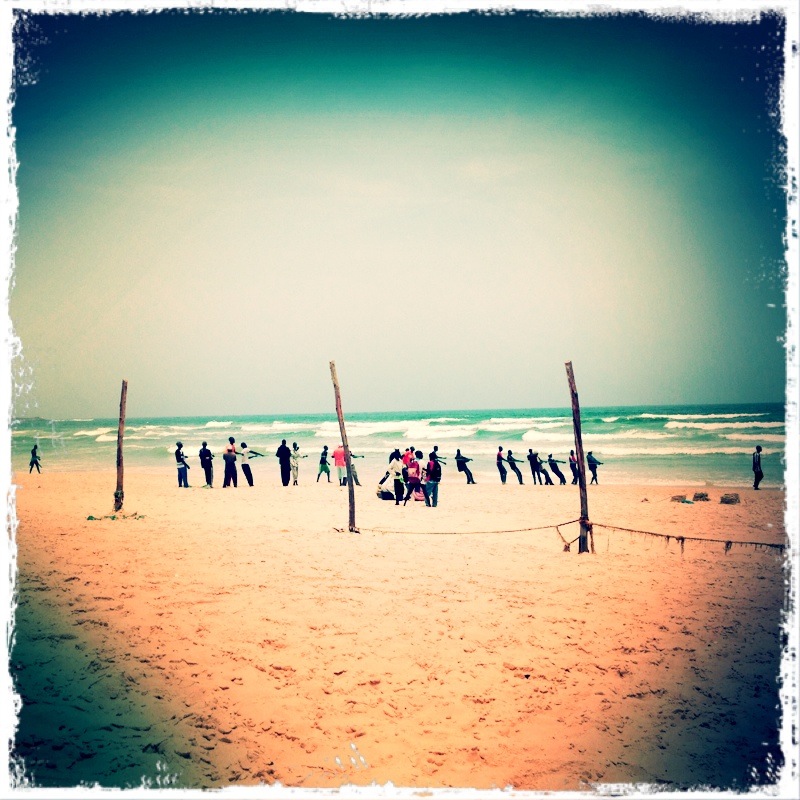
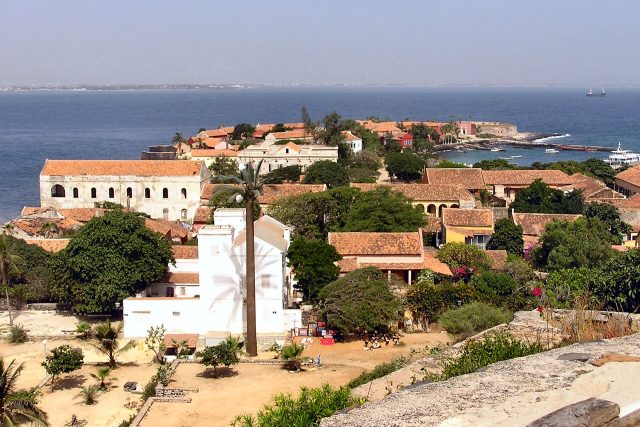
Yoff Beach is where Dakar’s restless energy finally slows, giving way to the rhythm of the Atlantic. There are no high-rise hotels with infinity pools here, no sunbeds lined up in perfect rows, no vendors aggressively hawking souvenirs. The sand isn’t always pristine—bits of seaweed and driftwood collect along the shore, and the occasional plastic bottle washes up with the tide. But that’s part of what makes it real. This isn’t a postcard version of Senegal; it’s a place where the city’s edges blur into something quieter, rougher, and far more interesting.
The beach takes its name from the village of Yoff, a settlement that has existed for centuries. The Lebou people, who still make up most of the local population, have long called this stretch of coast home. Fishing was their livelihood, and though modern boats now share the shore with traditional wooden pirogues, the sea remains central to daily life. The pace here is different from the rest of Dakar—less hurried, less polished. Even the sound of the waves seems softer, as if the ocean itself is taking a breath between the city’s chaos and the vast, open water beyond.
The architecture in Yoff reflects its practical, unpretentious character. Houses are built from whatever materials are available—concrete blocks next to wooden beams, corrugated metal roofs beside thatched huts woven from palm fronds. The most striking structure is the village mosque, a modest white building with a simple green roof and an unadorned minaret. Built in the early 20th century, it’s not just a place of worship but a gathering point for the community. On Fridays, the call to prayer drifts over the dunes, mingling with the cries of seagulls and the distant hum of the city.
Swimming at Yoff isn’t for the faint of heart. The Atlantic here is powerful, with strong currents and waves that can knock you off your feet if you’re not careful. Locals know the safest spots and the right times to wade in, but visitors are better off keeping to the shallows or simply walking along the shore. The sand is coarse and dark, mixed with pebbles, and the beach stretches wide at low tide, revealing tidal pools where children sometimes hunt for small crabs. Beyond the waterline, dunes rise in gentle slopes, covered in tough, wind-swept grass. It’s a landscape that feels wild in a way Dakar’s more manicured beaches don’t.
Mornings in Yoff start early. By dawn, fishermen are already pushing their boats into the surf, their voices carrying over the water as they coordinate the day’s work. By seven, the beach is alive with activity. Women in vibrant wraps and headscarves lay out the morning’s catch—silver sardines, glistening octopus, shrimp still twitching in their shells. The air smells of salt and smoke from the small fires where fish is grilled on skewers, sold straight from the sand. If you’re lucky, you might be offered a piece still warm from the coals, seasoned with nothing more than chili and lime.
By midday, the beach empties. The sun is relentless, and even the breeze off the ocean does little to ease the heat. Locals retreat to the shade of their homes or the few small restaurants tucked behind the dunes, where plastic chairs are set up under thatched roofs. Tourists are rare, and those who do come usually stay only long enough to snap a few photos before heading back to the city. The real life of Yoff happens in the margins—women mending nets, old men playing checkers under a tree, children kicking a deflated soccer ball across the sand.
As the sun dips lower, the beach comes alive again. Fishermen return with their boats, their hulls heavy with the day’s haul. Families gather around fires, sharing meals of rice and fish stew. Music drifts from radios—sometimes mbalax, sometimes something slower, more traditional. There’s no grand spectacle here, no planned entertainment. Just the quiet hum of a community that has lived by the sea for generations, where the ocean dictates the rhythm of the day.
Yoff isn’t the kind of place you’ll find in travel brochures. There are no luxury resorts, no beachfront bars with happy hour specials, no promises of a perfect holiday. What it offers instead is something rarer: a glimpse of Dakar as it actually is. The city’s contradictions are all here—the old and the new, the traditional and the modern, the relentless energy of urban life softened by the timeless pull of the sea. It’s not always pretty, but it’s honest.
If you find yourself in Dakar and need a break from the noise, Yoff is worth the trip. You might spend an hour wandering the shore, or a whole day if you time it right and catch the morning market. Just don’t expect it to be anything other than what it is. It won’t be your most comfortable beach experience, but it might be the one that stays with you longest.