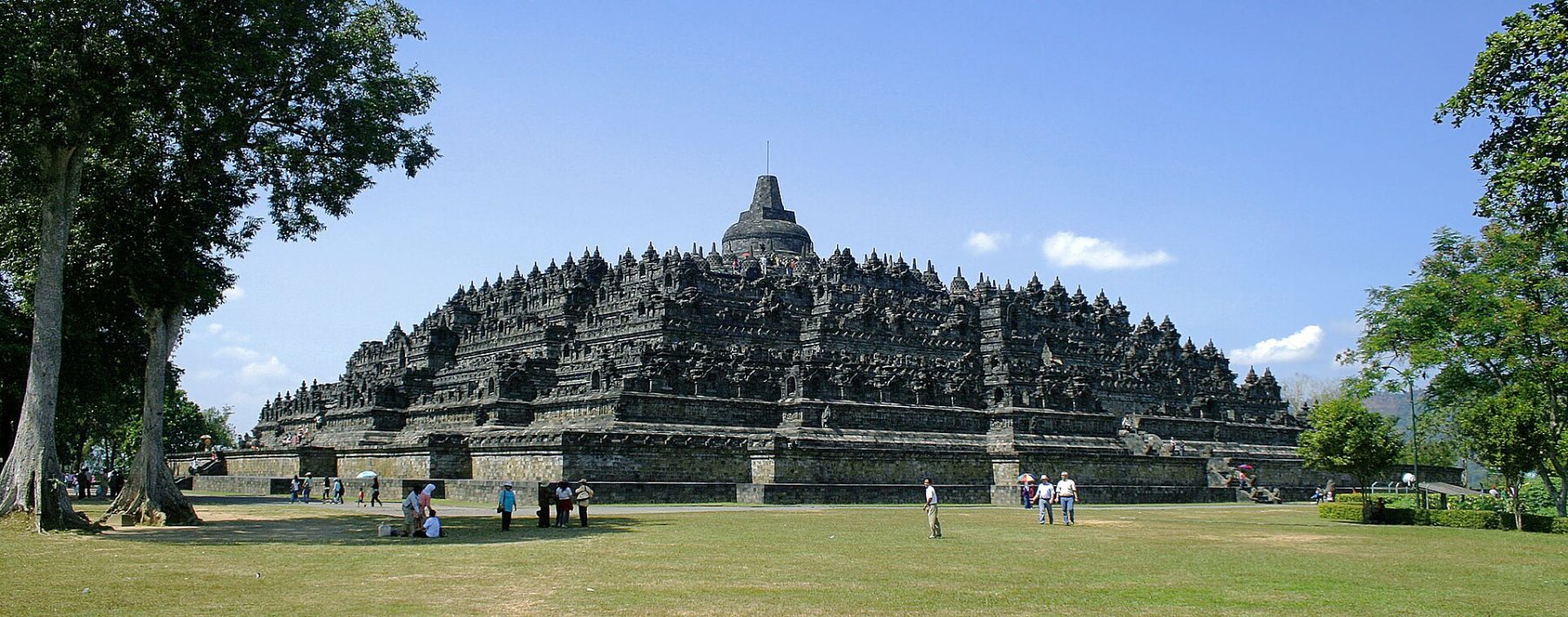
Borobudur
Indonesia · 5 places
Photo: Gunawan Kartapranata, CC BY-SA 3.0
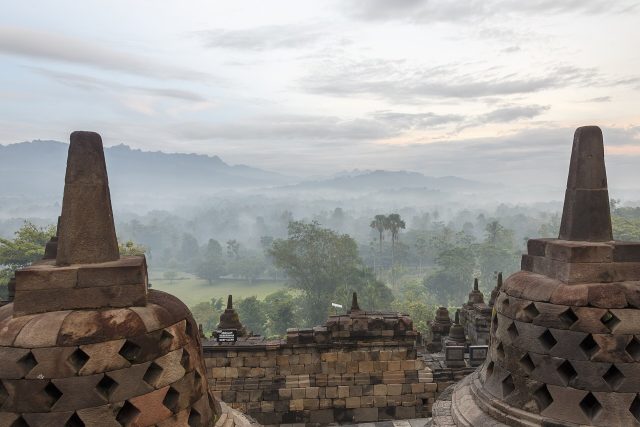
Borobudur isn’t just a place you visit—it’s a place that lingers with you long after you’ve left. Rising from the lush hills of central Java, this ancient Buddhist monument feels like a bridge between worlds. Built in the 9th century, its massive stone terraces are carved with over two thousand relief panels and hundreds of Buddha statues, each one telling stories of enlightenment, compassion, and the quiet persistence of time. For centuries, it lay hidden beneath volcanic ash and jungle, forgotten until European explorers stumbled upon it in the early 1800s. Now, it stands as a silent testament to a civilization that once flourished here, drawing those who come not just to see, but to listen—to the wind rustling through the stone, to the distant hum of prayer, to the way the past still breathes in the present.
Climbing Borobudur is less about reaching the top and more about the journey itself. Each level unfolds like a chapter, revealing new perspectives: the patchwork of emerald rice fields below, the smoldering peaks of Mount Merapi and Mount Merbabu in the distance, and on clear mornings, the faint outline of mountains far beyond. The most magical moment comes at dawn, when the first light spills over the stupa’s crown, dissolving the mist that clings to the hills. Locals say the proper way to experience it is to walk the three circular terraces clockwise, following an ancient ritual. It’s not just a stroll—it’s a moving meditation, a way to step outside time for a little while.
Yet Borobudur is more than a relic of the past; it’s a living, breathing part of Javanese culture. Every year during Vesak, the celebration of the Buddha’s birth, enlightenment, and passing, thousands of monks and pilgrims gather here. The stupa becomes a sea of flickering lanterns, the air thick with the scent of incense and the murmur of chants. Even if you don’t follow Buddhism, the sense of unity and quiet reverence is impossible to ignore. For a few days, the monument isn’t just stone—it’s a heartbeat, a shared moment of stillness in a world that rarely slows down.
The nearby town is nothing like the crowded tourist hubs you might expect. There are no pushy vendors or neon signs, just quiet streets where life moves at its own unhurried pace. Small cafés serve strong Javanese coffee and plates of fresh tropical fruit, while the surrounding villages keep traditions alive—hand-dyed batik, intricately carved wooden masks, and festivals where music and dance transport you to another era. If you’re lucky, you might stumble upon a local celebration, where the air vibrates with gamelan music and the streets glow with the colors of traditional dress.
What makes Borobudur special isn’t just what you see, but what you feel. There’s no rush here, no checklist of sights to tick off. You could spend hours sitting on one of the terraces, watching how the light shifts across the stone, or wander the nearby trails where small shrines hide among banana groves. The place has a rhythm of its own, a slow, steady pulse that seeps into your bones. Maybe that’s why people keep coming back—not to solve its mysteries, but to remember what it’s like to simply be still. Borobudur doesn’t give up its secrets easily, and perhaps that’s the point. Some things are meant to be experienced, not explained.
See & Do
5 places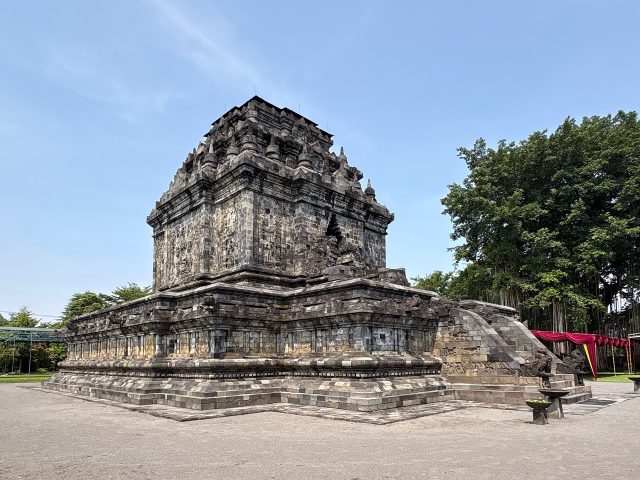
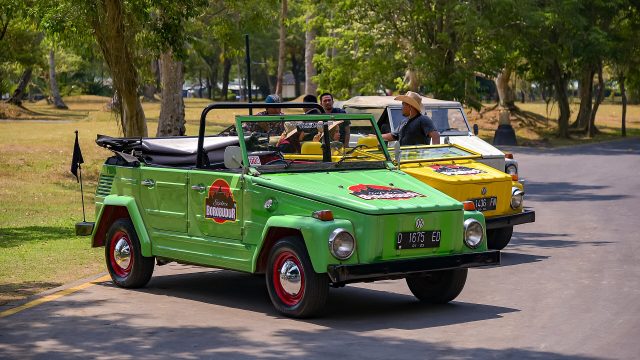
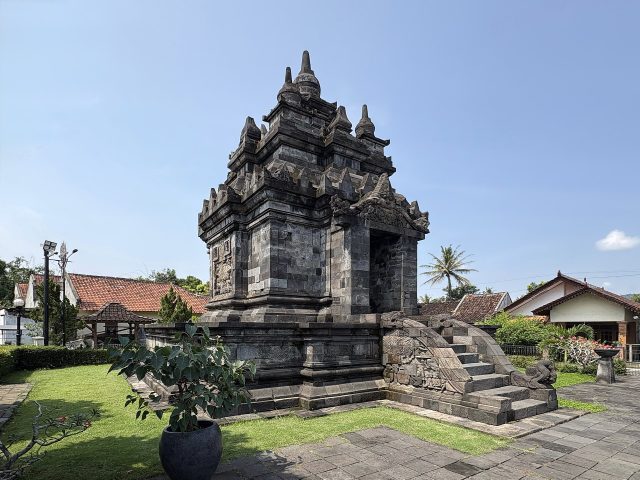
Places on the map
Marker colour follows the categoryClimate and weather
Detailed weather: Borobudur- Average temperature
- 28 °C
- Precipitation per year
- 0 mm
Average air temperature
°C
28
28
28
28
28
28
28
27
28
29
28
28
Jan
Feb
Mar
Apr
May
Jun
Jul
Aug
Sep
Oct
Nov
Dec


