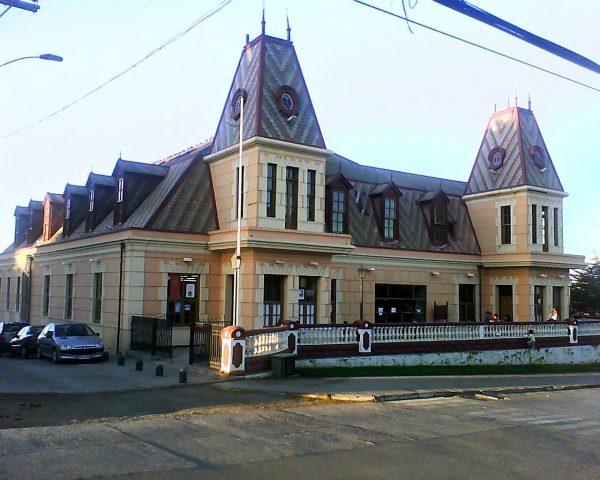
Bajina Bašta
Serbia · 7 places
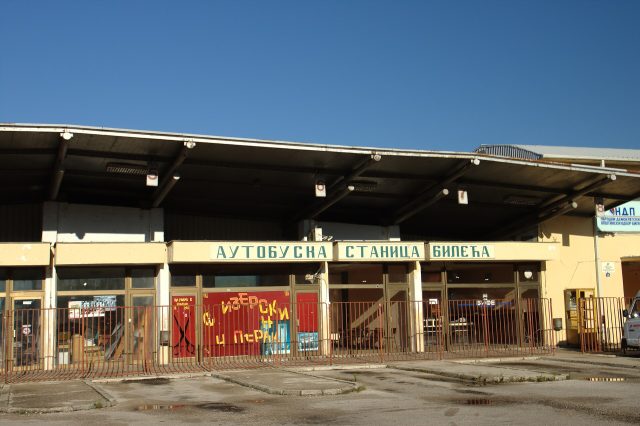
Photo: Nešo Marić, permission accordée à en:User:Ijelisavcic, Public domain
Baćina Bašta
Baćina Bašta sits where the mountains meet the Drina. The air smells of pine and damp earth. The river’s murmur is the only sound.
The town doesn’t chase visitors. It doesn’t need to.
Locals start mornings in small cafés around the square. They drink coffee and talk. Sometimes they don’t talk at all. The pace is slow because it suits them. If you stay a few days, you’ll slow down too. Not because you planned to, but because the rhythm here is contagious.
The real reason to come? The land itself. The forests of Tara National Park. The river, wide in some places, narrow and fast in others. The people who live here know it well. They’ll tell you where the best trails are, or where the trout bite, or which rocks hold old stories.
The Drina shapes everything. In summer, rafters and kayakers follow its currents. Families spread picnics on the banks. In winter, the frozen river reflects the hills. Out in the water, the House on the Drina sits on a rock—a small wooden cabin, reachable only by boat. It’s been there for decades, a quiet marker of how deeply the river runs through life here.
The town’s buildings are simple. Houses with worn facades. A few old churches. A couple of 19th-century *konaks*, their wooden balconies sagging slightly. The local museum holds tools, photographs, and fishing gear—things people actually used. Nothing grand, just the pieces of lives lived by the river.
If you’re looking for noise or crowds, this isn’t the place. Baćina Bašta offers something else: the chance to stop. To walk a forest path without checking the time. To sit by the water and watch the light shift. To let the quiet settle in, not because it’s remarkable, but because it’s real.
See & Do
7 places


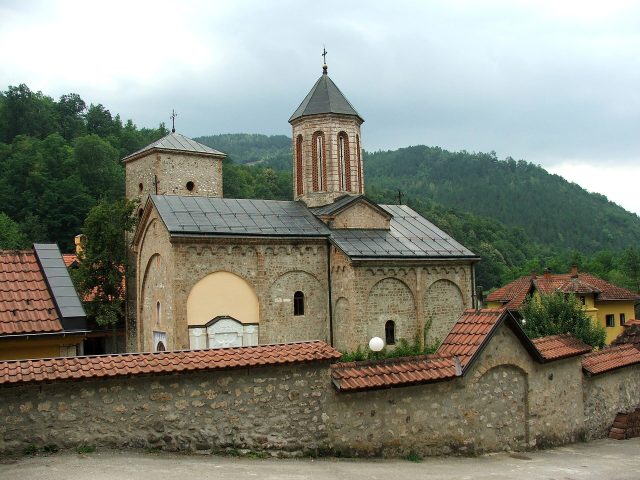
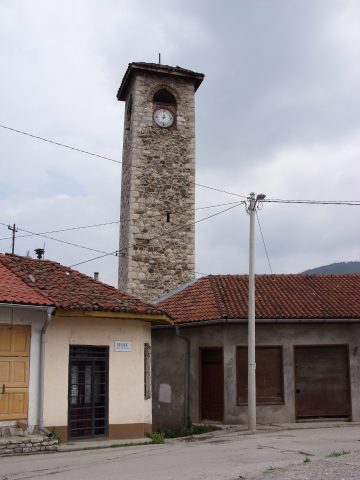
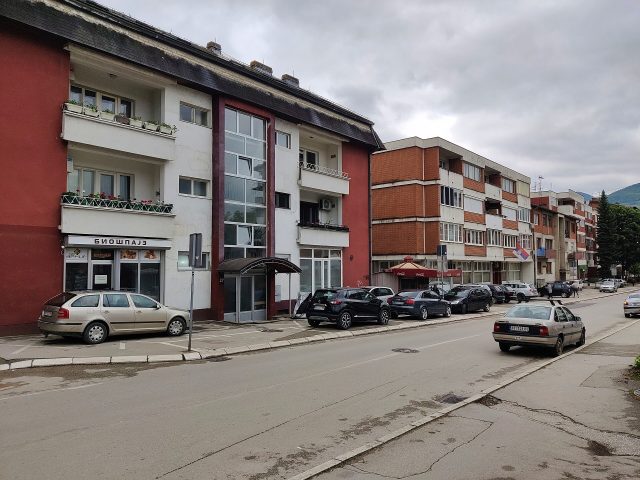
Places on the map
Marker colour follows the categoryClimate and weather
Detailed weather: Bajina Bašta- Average temperature
- 13 °C
- Precipitation per year
- 835 mm
- Average humidity
- 77 %
- Sunshine hours per day
- 8.9 h
- Time zone
- UTC+2 (GMT+2)
Average air temperature
°C
3
5
9
12
16
22
24
23
19
14
7
4
Jan
Feb
Mar
Apr
May
Jun
Jul
Aug
Sep
Oct
Nov
Dec