- Home
- Serbia
- Bajina Bašta
- Tara Mountain

Photo: Vladimir Mijailović, CC BY-SA 4.0
Tara Mountain
out of 5 0 ratingsTara National Park is one of those rare places where nature feels deliberately crafted—where every ridge, river, and forest seems arranged to remind you of the earth’s quiet power. Stretching across nearly two hundred square kilometers in western Serbia, along the border with Bosnia and Herzegovina, the park is a world away from crowded resorts and tourist traps. Instead, it offers something far more enduring: dense woodlands that hum with life, deep gorges carved by time, and rivers so clear you can see the stones shifting on the bottom. This isn’t a place for loud entertainment or fleeting thrills. It’s a landscape for slowing down, for listening to the wind move through the pines, for feeling the weight of centuries in the stillness.
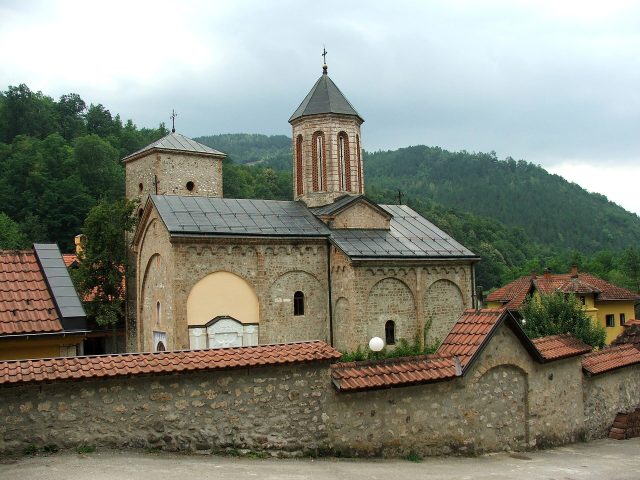
The history of Tara runs deep, layer upon layer like the sediment in its rivers. Archaeologists have found traces of human life here dating back to the Neolithic era, when the first settlers shaped tools from stone and lived in harmony with the land. Over the millennia, the area became a crossroads for cultures—Illyrians, Celts, and Romans all left their mark, followed by medieval Serbian kingdoms that built churches and monasteries into the hillsides. During Ottoman rule, Tara was a borderland, a place where trade routes intersected and local communities clung to their traditions despite shifting allegiances. After Serbia regained its independence in the nineteenth century, the mountains became a symbol of resilience, a natural fortress where people could live freely. Today, the remnants of that past are still visible in the old stone chapels tucked into the forest and the crumbling walls of long-abandoned settlements.
The Drina River is the heart of the park, winding through its valleys like a silver thread. Its waters have shaped the landscape over millions of years, carving out canyons and cliffs that now draw visitors from across the region. One of the most striking features is Perućac Lake, an artificial reservoir created in the mid-twentieth century when a dam was built to harness the river’s power. The lake stretches for kilometers, its surface mirroring the surrounding forests and sky. On clear days, the water is so transparent that you can see fish darting near the bottom, and in the early morning light, it takes on an almost unreal turquoise hue. Locals say the best way to experience the lake is by boat—gliding past hidden coves where the water is still and the only sound is the occasional splash of a jumping trout. In winter, the scene transforms entirely, with snow dusting the pines and the lake’s surface turning to glass under the pale sun.
Tara is a forest kingdom, with more than eighty percent of its territory covered in thick, ancient woodland. The trees here are a mix of the familiar and the rare—towering beeches, spruces, and firs, alongside the Serbian spruce, a species found nowhere else on earth. The forest floor is a tangle of ferns, mosses, and wildflowers that bloom in brief, brilliant bursts during the warmer months. This is a place where wildlife still thrives: brown bears amble through the undergrowth, wolves move silently along ridge lines, and lynxes—elusive and solitary—watch from the shadows. Birdsong fills the air, from the trill of warblers to the piercing cry of golden eagles circling overhead. For those who want to observe without disturbing, there are designated trails and lookout points, but even a casual walk can turn into an encounter with something wild—a deer stepping onto the path, a fox pausing to watch you pass, or the sudden flutter of wings as a rare woodpecker takes flight.
One of the park’s most dramatic landmarks is Banjska Stena, a sheer cliff that rises more than three hundred meters above the Drina. The view from the top is breathtaking—a sweeping panorama of the river snaking through the valley below, its waters glinting in the sunlight, with layers of forested hills rolling into the distance. Local lore claims this was once a natural fortress, a place where Serbian defenders could watch for approaching Ottoman forces. Today, it’s a spot for quiet contemplation, where visitors sit on the edge of the precipice, listening to the rush of the river far below. On clear days, the horizon seems endless, and you can pick out the faint outlines of distant peaks, their shapes softened by the haze.
For those drawn to the mysteries beneath the earth, Rastuška Cave offers a glimpse into another world. One of the largest caves in Serbia, its winding passages stretch for over two kilometers, though only a fraction is open to the public. Inside, the air is cool and damp, and the silence is broken only by the occasional drip of water from the ceiling. The cave’s formations are otherworldly—stalactites hanging like chandeliers, stalagmites rising from the floor in twisted columns, and delicate curtains of stone that shimmer under the soft lighting. Guides lead visitors through the illuminated sections, pointing out fossilized remains of ancient creatures and explaining how the cave’s chambers were carved by water over millions of years. Bats flit through the darkness, and if you listen closely, you might hear the faint rustle of their wings.
Hikers and cyclists will find plenty to explore in Tara, with trails ranging from gentle forest paths to challenging climbs. One of the most rewarding routes leads to Sokolina Waterfall, a twenty-meter cascade that crashes into a rocky pool below. The journey there takes you through dense woodland, past the ruins of old watermills and shepherds’ huts that hint at the lives once lived here. The waterfall is at its most powerful in spring, when melting snow swells the streams and the air is thick with mist. By summer, the flow eases, revealing the smooth stones beneath the surface, and visitors can wade into the shallow pool at the base. In autumn, the surrounding trees blaze with color, and the water runs so clear you can see the trout darting between the rocks.
Despite its remote feel, Tara is surprisingly accessible. The nearest town, Bajina Bašta, serves as the gateway to the park, with regular buses and taxis running to key trailheads and viewpoints. Accommodation is simple but welcoming—family-run guesthouses, rustic cabins, and campsites where the air smells of woodsmoke and pine. There are no luxury resorts here, just the kind of places where the owners might invite you in for a cup of strong Turkish coffee or a plate of homemade kajmak, a creamy dairy spread that’s a local specialty. Staying overnight means waking up to the sound of birds and the scent of fresh bread baking in a nearby kitchen, with the forest just beyond your doorstep.
What makes Tara special is its refusal to be tamed. Unlike some national parks, where every path is paved and every viewpoint marked with a sign, this place retains a sense of wildness. The trails can be muddy, the weather unpredictable, and the wildlife shy—all part of the experience. You might spend days wandering the forests and still feel like you’ve only scratched the surface. Or you might come for a weekend, sit by the river with a book, and leave feeling as though you’ve been away for weeks. Either way, Tara leaves an impression that lingers—the way the light filters through the trees at dusk, the echo of a woodpecker’s call, the quiet certainty that this land has seen countless seasons come and go, and will continue long after you’ve left.
Day around this place
Where else to go on the same day
Building the day…
Where it is
43.90670, 19.30500