- Home
- South Sudan
- Juba

Juba
South Sudan · 8 places
Photo: Rigan123, CC BY-SA 4.0
Juba sits where the White Nile curls through the vast, sunbaked plains of South Sudan, a city that feels both ancient and brand-new. It’s not the kind of capital you’d find in glossy travel brochures—no towering skyscrapers, no polished tourist trails. Instead, it hums with a raw, unfiltered energy, where modern government buildings stand shoulder to shoulder with thatched huts, and the rhythm of life shifts from the frantic buzz of markets to the slow, quiet pulse of backstreets. The city doesn’t try to impress; it simply exists, a place where history and today collide in ways that feel both ordinary and extraordinary.
The Nile is more than just a river here—it’s the city’s lifeline. Its waters carry stories of traders and explorers who once passed through, and today, the riverbank remains one of the few places where Juba slows down. Locals gather under the shade of palm trees, watching boats drift by or simply enjoying the cool breeze off the water. At dusk, the sky ignites in hues of orange and purple, a spectacle that feels almost surreal against the backdrop of a city still finding its footing. Juba hasn’t always been peaceful; years of conflict have left their mark, but now, there’s a sense of cautious revival, a slow return to something resembling normalcy.
The markets are where Juba truly comes alive. There are no sterile supermarkets here, just the chaotic, vibrant chaos of stalls piled high with mangoes, spices, and freshly baked bread. The air is thick with the scent of grilled meat and strong tea, served in tiny glasses to anyone willing to pause for a moment. Konyo Konyo Market is the heart of it all, a maze of vendors selling everything from handwoven fabrics to intricate beadwork crafted by local women. It’s the kind of place where you can haggle over a bundle of okra or strike up a conversation with a stranger over a shared cup of spiced tea, sweet and strong enough to jolt you awake.
Contrasts define Juba. One moment, you’re in a sleek café where young professionals sip espresso, and the next, you’re in a neighborhood of mud-brick homes where life moves at its own unhurried pace. Public transport is a wild ride—shared minibuses, called *matatus*, careen through the streets as if defying physics, their drivers weaving through traffic with a confidence that borders on recklessness. There are no subways or trams, just these rattling vehicles and the occasional boda-boda motorcycle taxi, where a helmet is more of a suggestion than a rule. A few parks offer patches of green amid the dust and heat, though they’re less manicured gardens and more scraggly oases where people come to escape the sun.
Juba doesn’t reveal itself easily. It’s not a city for quick visits or surface-level impressions. To understand it, you have to wander its streets, linger in its markets, and listen to the stories of those who call it home. There are no grand museums or luxury resorts, but what it lacks in polish, it makes up for in authenticity. This is a place where the past and present blur, where resilience is woven into the fabric of daily life. Juba isn’t trying to be anything other than itself—a city still rising, still finding its way, and all the more compelling for it.
See & Do
All of them
Eat & Drink
All of them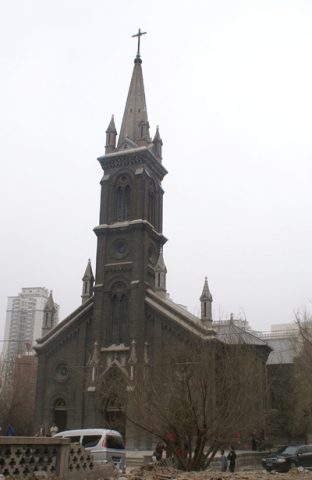
Places on the map
Marker colour follows the categoryClimate and weather
Detailed weather: Juba- Average temperature
- 26 °C
- Precipitation per year
- 659 mm
Average air temperature
°C
27
27
28
27
26
25
24
24
25
25
26
26
Jan
Feb
Mar
Apr
May
Jun
Jul
Aug
Sep
Oct
Nov
Dec


