Where to Stay Unusually: Lighthouses, Yurts, Train Cars, and Monastery Guesthouses

Photo: Niera, CC0
Overnight stays usually pass without memory: room, shower, morning. But there are places where the night itself becomes part of the trip — and almost always it's not about luxury, but about what's around.
Below is what is actually bookable, with an honest caveat on what to expect.
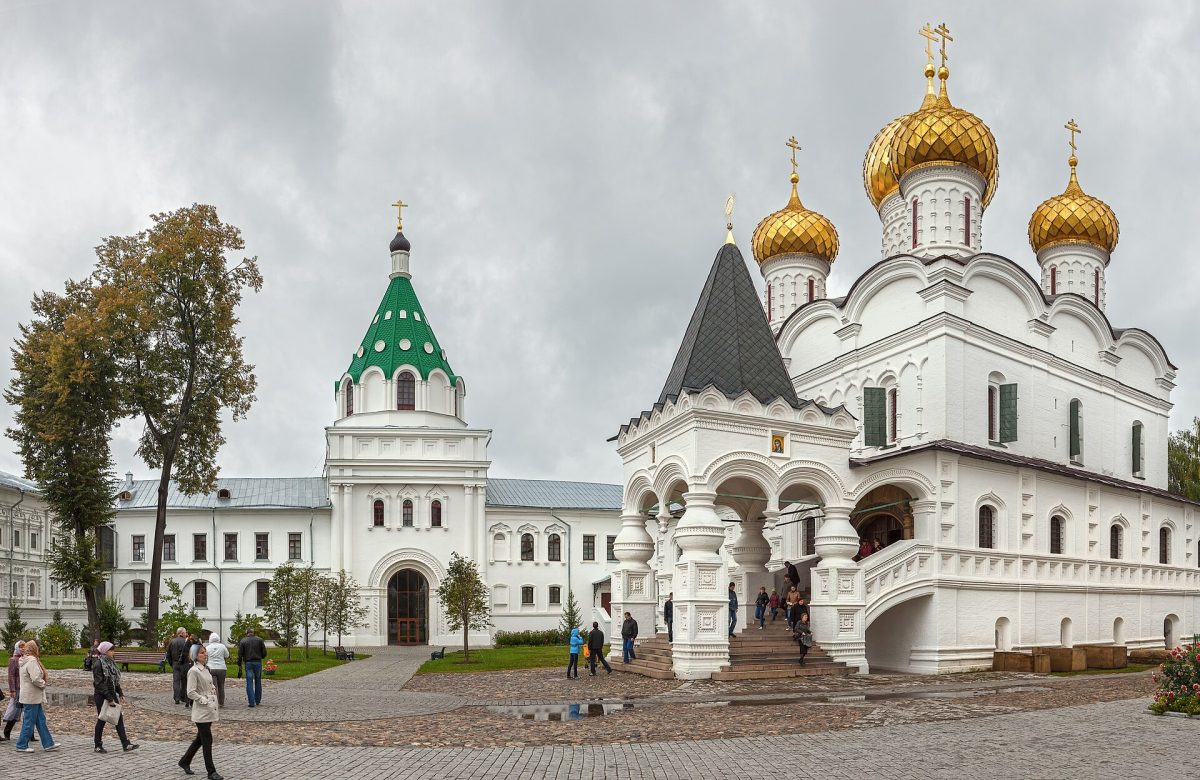
Monastery Guesthouses
Many active monasteries have pilgrim houses, and they accommodate not only pilgrims. Conditions are simple: shared shower, early rise, silence after ten, sometimes meals on a schedule.
At the Ipatiev Monastery in Kostroma, at the Spaso-Evfimiev in Suzdal, at the Valaam on Ladoga, such houses operate year-round. The price is usually half that of a hotel, and sometimes — for a donation.
What to expect: alcohol is prohibited, clothing must be modest, gates are closed at night. This is not a hotel with religious decor, but part of the monastery routine.
Yurts and Nomadic Accommodation
In Mongolia, Kazakhstan, and the Altai, a yurt is not an attraction but working accommodation, and it is set up seriously: felt holds heat in minus temperatures, the stove is heated at night.
Near Lake Teletskoye and in Gorno-Altaysk, yurt camps operate from May to September. In Kalmykia, near the Golden Abode, there are also some — there it's steppe and different air.
What to expect: amenities are outdoors almost everywhere, electricity is on a schedule or from a generator, it is cold at night even in July.
Lighthouses and Keeper's Houses
There are few active lighthouses where overnight stays are allowed — these are restricted facilities. But former ones are converted: in Norway, Croatia, and the Baltic, they are rented out entirely, for a group.
The point is the location: the lighthouse stands where there is nothing else, and a night on the cape with the sound of water is the whole product. The nearest store is usually ten kilometers away, and you bring food with you.
Train Cars, Vessels, and Houseboats
Decommissioned train cars are converted into accommodation on the Circum-Baikal Railway and in Karelia; in Listvyanka near Lake Baikal, several such cabins stand right near the tracks.
Houseboats are a European story: in Amsterdam on the canals, barges converted into apartments are rented. It rocks slightly, but it rocks; people prone to seasickness better not risk it.
Mountain Huts
On Alpine and Caucasian routes there are shelters: shared bunks, water from a stream, dinner from one pot. This is not about comfort, but about the fact that otherwise you cannot spend the night on the route.
In Dombay and under Elbrus, such shelters operate in season and are booked in advance — there are few spots, and in high season they are taken.
What to Check Before Booking
Heating and season: half of unusual accommodation operates only in summer. The road: asphalt often does not reach lighthouses and yurts. Water: the shower may be shared, or there may be none at all.
And the main thing — distance to food. In a regular hotel this is not a question, but twenty kilometers from the nearest village you need to bring dinner with you.


