Pretoria’s National Zoological Gardens is one of those places that quietly defies expectations. Tucked into the heart of South Africa’s administrative capital, it feels like an unlikely refuge for wildlife in a city better known for its government buildings and jacaranda-lined streets. Yet this sprawling zoo has been here since the late 1800s, when Pretoria was still finding its place in the country’s growing identity. Back then, it wasn’t a tourist attraction but a scientific endeavor—a place where animals were studied, preserved, and sometimes rescued from the edges of extinction. That legacy still lingers today, though now it’s woven into something far more accessible. Visitors might watch a lion stretch out on a sun-warmed rock or see children giggle as a giraffe bends down to take food from their hands, all while standing on the grounds of one of the continent’s most respected research centers.
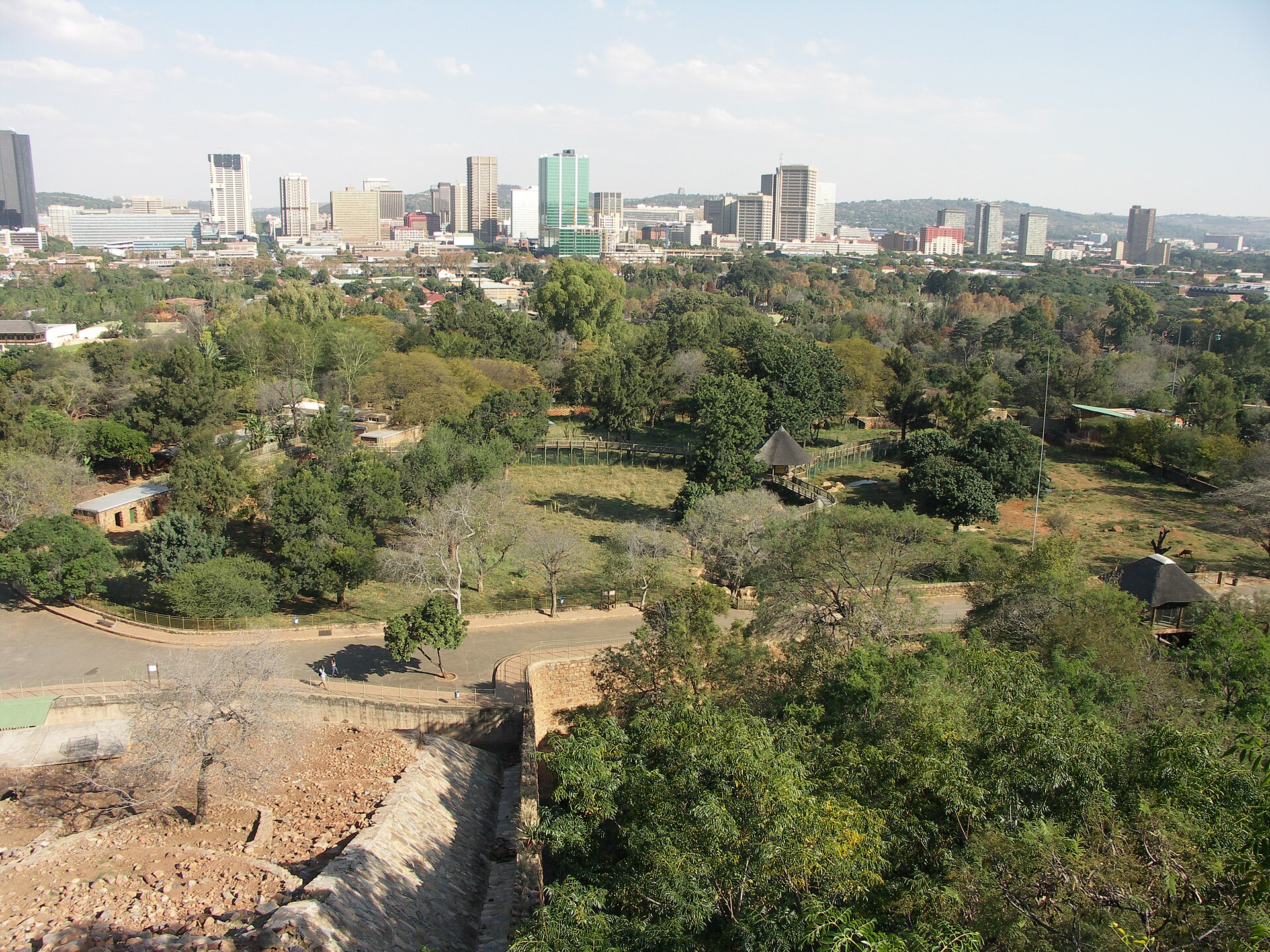
The zoo covers eighty-five hectares of undulating terrain, where the landscape itself tells a story. Rolling hills dotted with acacia trees give way to man-made water features and rocky outcrops, some of which double as enclosures for mountain-dwelling species. The paths aren’t paved but wind naturally through the grounds, making a stroll here feel more like a walk through the savanna than a typical zoo visit. In the southern section, where large enclosures house antelope and birds, the effect is even stronger. During the rainy season, the grass turns lush and green, while in the dry months, it fades to golden hues, mirroring the landscapes of the national parks further north.
One of the zoo’s most compelling features is its collection of big cats. Lions, leopards, and cheetahs live in spacious enclosures designed to mimic their natural habitats. The lions have artificial rock formations with caves for shade, while the leopards lounge on elevated platforms, watching visitors with quiet curiosity. A highlight is the nocturnal house, where dim lighting reveals creatures that thrive in twilight—lemurs, bats, and other species that most people rarely see. Feeding times are a draw, though here they’re kept low-key, more about education than spectacle. It’s a subtle difference, but one that sets Pretoria’s zoo apart from places where animals are made to perform.
The elephant enclosure is another standout. A small herd lives here, and on warm days, they can often be seen splashing in a large pool or dusting themselves with dirt. Nearby, African buffalo and rhinos share space, grazing side by side in a way that feels almost serene. The bird section is equally impressive, with expansive aviaries where flamingos, pelicans, and storks move freely. The raptor enclosure is particularly striking—eagles and vultures circle overhead, their wingspans casting shadows over the crowd below. It’s easy to forget you’re in a city when a bird of prey glides just a few meters above you.
Beyond its animals, the zoo carries layers of history. In the early 1900s, it housed exotic creatures gifted by foreign dignitaries, a tradition that reflected Pretoria’s growing diplomatic role. During apartheid, it became one of the few public spaces where people of all races could gather, a small but meaningful act of defiance in a divided country. Today, it plays a crucial role in conservation, breeding endangered species like African wild dogs and black rhinos. Many animals born here eventually find new homes in national parks, a quiet but vital contribution to preserving South Africa’s wildlife.
A visit here can easily fill a day. There are enough exhibits to keep even the most curious visitors engaged, from reptile houses to primate enclosures. Cafés and shaded seating areas offer places to rest, and for families, there are playgrounds and a petting zoo where children can feed goats and sheep. On weekends, the zoo often hosts events—talks on animal behavior, drawing workshops, or seasonal celebrations—but even on a quiet weekday, the atmosphere remains unhurried. The lack of crowds and commercial hype makes it feel more like a nature reserve than a tourist attraction.
What makes Pretoria’s zoo special is its balance. It’s not a place of flashy exhibits or forced entertainment, but one where the focus stays on the animals and their well-being. The enclosures are spacious, the paths unobtrusive, and the overall vibe one of quiet respect. There’s no sense of animals being on display for spectacle; instead, it feels like a place where they’re given the dignity of space and routine. That might be why people return—not just for the novelty of seeing a rare species up close, but for the chance to step away from the city’s pace and into a slower, more natural rhythm.
In a way, the zoo is a microcosm of South Africa itself. It holds layers of history, from its colonial origins to its role in a post-apartheid society, while also looking forward through its conservation work. It’s a place where the wild and the urban coexist, not always seamlessly, but in a way that feels honest. For those who wander its paths, it offers something rare: the chance to see Africa’s wildlife without leaving the city, and to remember, even briefly, what it means to share the world with creatures far older than our own.