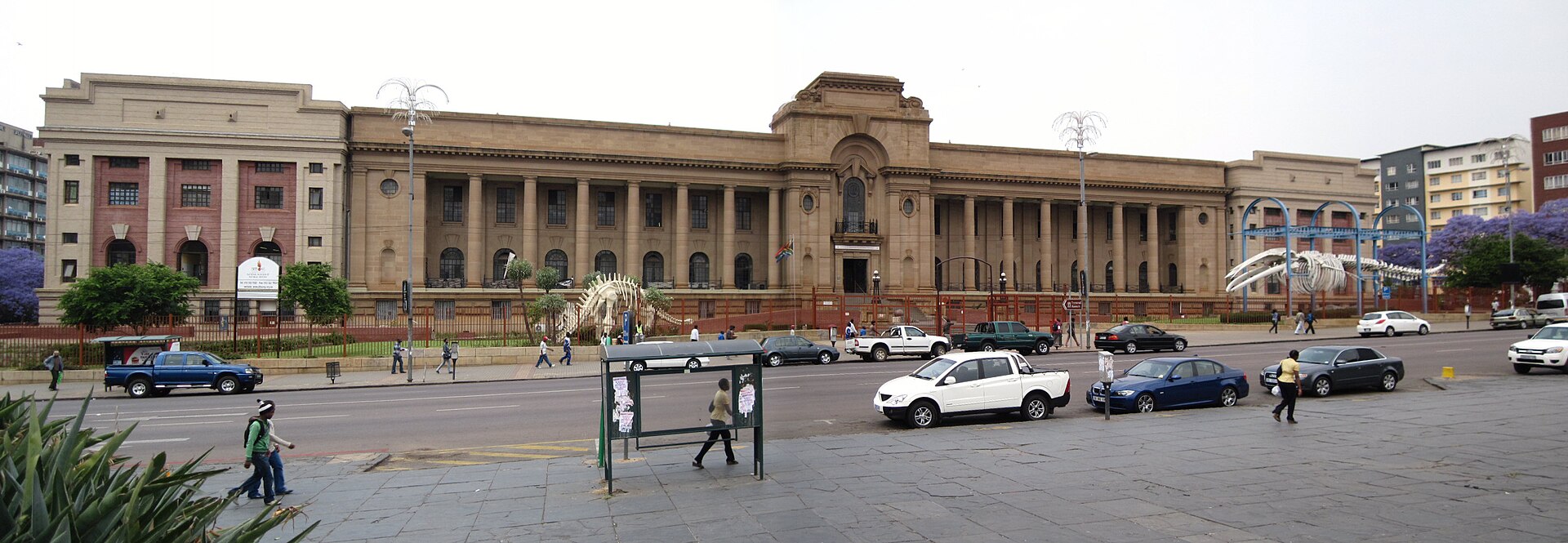
The Transvaal Museum in Pretoria is one of those rare places where South African history feels alive—not through dry dates or grand narratives, but through the quiet stories embedded in everyday objects. Founded in the late 19th century, it was the first major museum in what was then the Transvaal Republic, and its collections have grown alongside the city itself. There’s no pomp here, no overwhelming grandeur of the kind you might find in Europe. Instead, the museum offers something more intimate: a sense of authenticity, where each artifact seems to carry the weight of its own past. Whether it’s a rusted farming tool, the taxidermied remains of an extinct animal, or a yellowed letter from a long-forgotten conflict, the exhibits invite you to piece together the fragments of lives lived long before your own.
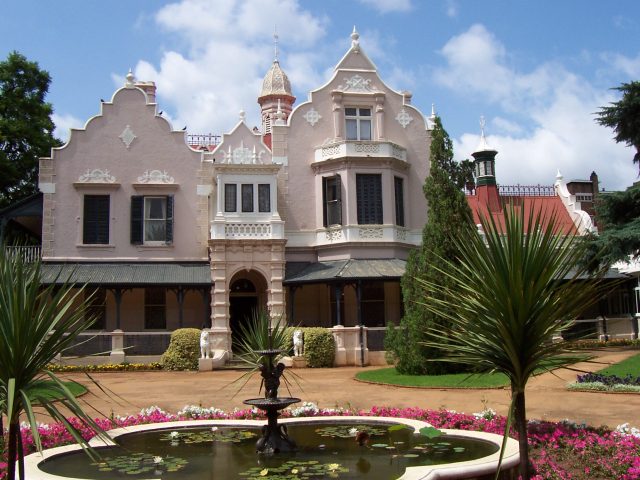
The building itself is a relic of another era. Constructed in the early 20th century, it blends neoclassical elegance with the practical, unadorned style of colonial architecture. High ceilings and spacious galleries allow natural light to filter through large windows, softening the edges of the past and making it feel less distant. The heavy wooden display cases, the faded maps, the sepia-toned photographs—all of it speaks to a time when Pretoria was still finding its place in a rapidly changing world. Walking through these halls, you can’t help but reflect on the forces that shaped the country: wars, colonization, the struggle for independence, and the quiet resilience of those who lived through it all.
One of the museum’s most compelling sections is its natural history collection, a testament to the region’s extraordinary biodiversity. Here, you’ll find the skeletal remains of prehistoric creatures that once roamed these lands, as well as the preserved forms of animals that have since vanished from the wild. Among them is the quagga, a relative of the zebra hunted to extinction in the 19th century, its striped hide a haunting reminder of what’s been lost. The insect and plant displays are equally striking, showcasing the delicate balance of an ecosystem that has evolved over millions of years. For many visitors, this part of the museum is a revelation, offering a glimpse into the sheer variety of life that has called southern Africa home.
The historical exhibits are just as thought-provoking, tracing the events that defined modern South Africa. Artifacts from the Anglo-Boer Wars sit alongside documents from the gold rush era, while everyday items—tools, clothing, household objects—paint a picture of the Afrikaner settlers who arrived in the 19th century. But the museum doesn’t shy away from the complexities of the past. Displays on indigenous communities, from ancient hunter-gatherers to the tribes that resisted colonial expansion, present a more nuanced story. There’s no attempt to sanitize history or present a single version of events. Instead, the museum lays out the facts and lets visitors draw their own conclusions, a quiet act of trust in the intelligence of those who walk its halls.
The cultural and art collections offer another layer of understanding, showcasing the creativity and traditions of South Africa’s diverse peoples. Intricately carved wooden figures, beaded jewelry, vibrant textiles, and handcrafted pottery reveal not just technical skill but the values and beliefs that have sustained communities for generations. These objects are more than artifacts; they’re windows into the way people once lived, the stories they told, and the rituals that bound them together. In a world where so much is mass-produced and disposable, there’s something deeply moving about seeing the care and craftsmanship that went into creating these pieces.
What makes the Transvaal Museum special is that it’s not a static place. Beyond its permanent exhibits, it hosts temporary displays that tackle contemporary issues—climate change, social movements, modern art—keeping the conversation relevant. Lectures, workshops, and educational programs turn the museum into a living space, one where history isn’t just observed but engaged with. The children’s activities, in particular, are a hit, offering hands-on learning that makes the past feel immediate and exciting. It’s a reminder that museums aren’t just for looking; they’re for questioning, discussing, and connecting.
Pretoria is often seen as a city of bureaucrats and diplomats, a place of polished facades and official business. But the Transvaal Museum cuts through that perception, revealing the deeper layers of the city’s identity. A visit here isn’t just a tour; it’s an immersion in context. You could easily spend half a day wandering from one gallery to the next, each room offering something unexpected. Unlike the crowded tourist spots, the museum provides a quiet space to reflect, to consider how the present is shaped by what came before. There’s no rush, no pressure—just the slow unraveling of stories waiting to be discovered.
For anyone with an interest in South African history, the Transvaal Museum is a must-visit. It doesn’t try to dazzle with spectacle or opulence, and that’s precisely its strength. There’s no clutter, no unnecessary flourish—just the essentials: the tangible traces of time, the voices of those who came before, and the natural world that has always been part of this land. In an age where everything seems to move too fast, places like this serve as anchors, reminding us that some things endure. The past isn’t just a series of events; it’s a living presence, and here, it feels closer than ever.