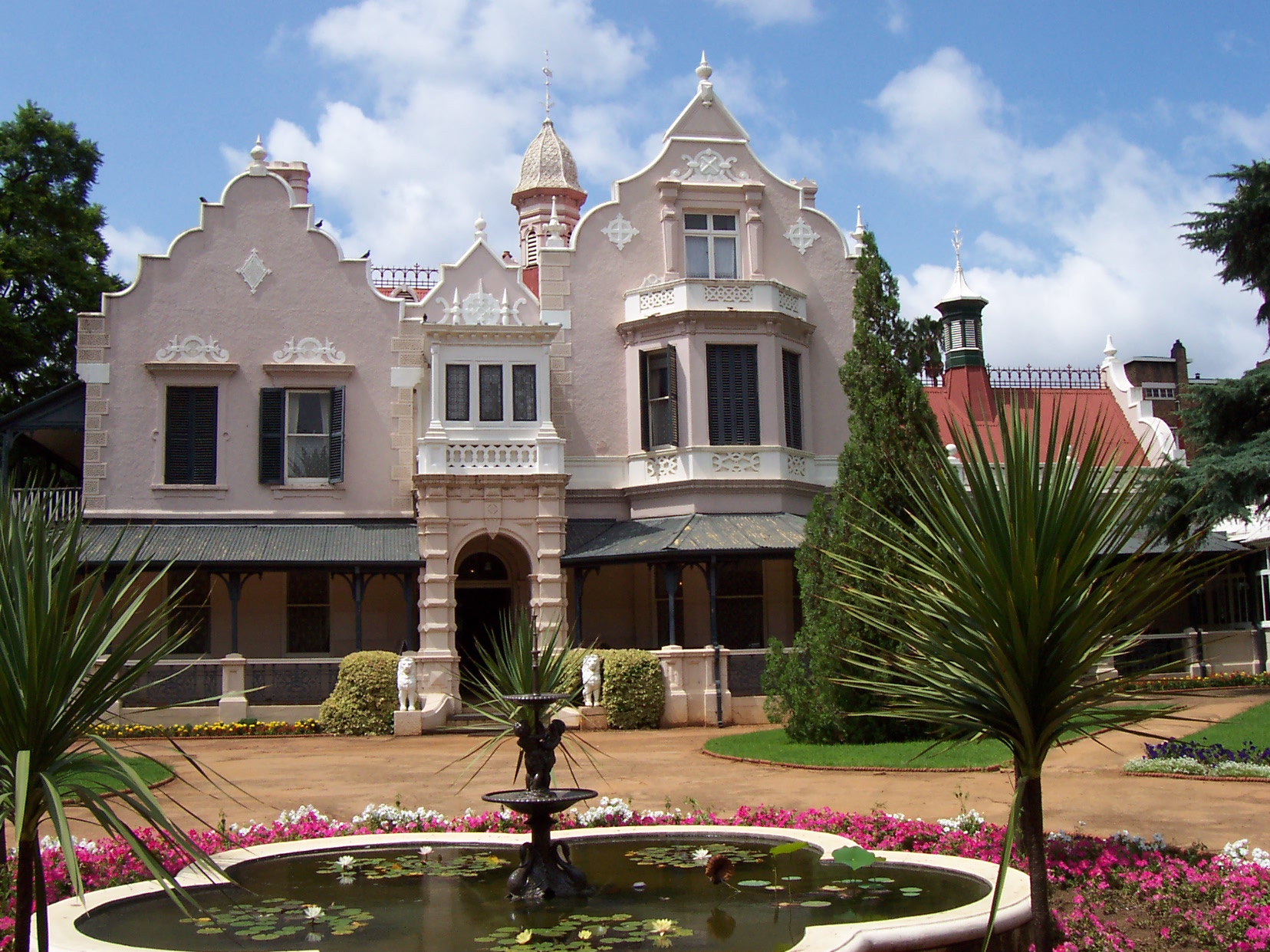
Melrose House stands as a quiet witness to Pretoria’s layered past, a place where the grandeur of the late 19th century lingers in every polished surface and creaking floorboard. Built in 1886 for George Heys, a prosperous businessman, the mansion was designed to impress—its architecture a blend of Victorian elegance and Renaissance revival details. High ceilings, intricately carved woodwork, stained-glass windows, and marble fireplaces speak of an era when wealth was displayed through craftsmanship rather than excess. The house was more than a home; it was a statement, reflecting the aspirations of Pretoria’s elite during the height of British colonial influence.
The building’s significance deepened during the Anglo-Boer War, when it became a stage for history’s unfolding drama. After British forces took Pretoria in 1900, Melrose House was commandeered as the residence of Lord Roberts, and later Lord Kitchener. It was here, in 1902, that the Treaty of Vereeniging was signed, formally ending the conflict. The rooms where negotiations took place remain largely unchanged, with the original table and inkwell still in place—a tangible connection to the moment when two warring sides sat down to forge an uneasy peace. The house doesn’t just tell this story; it preserves the very objects that bore silent witness to it.
Inside, the interiors are a testament to the tastes of the time. A sweeping staircase of dark mahogany leads to the upper floors, where bedrooms and sitting rooms retain much of their original character. One chamber holds a four-poster bed draped in heavy fabric, its presence evoking the rituals of daily life in a bygone era. The music room, with its 19th-century piano, hints at the social gatherings that once filled the house with conversation and melody. Portraits and photographs line the walls, offering glimpses into the lives of the Heys family and those who came after them. These aren’t just relics; they’re fragments of personal histories woven into the larger tapestry of the city.
The gardens surrounding Melrose House were once an extension of its living spaces, designed to be as much a part of the home as the rooms inside. Victorian ideals of beauty shaped the layout, with manicured rose beds, shaded walkways, and a small fountain at its heart. In summer, the garden is a lush retreat, while winter brings bursts of color from hardy shrubs. Though no longer the site of lavish garden parties, it occasionally hosts concerts and literary events, reviving something of the house’s former role as a hub of cultural life. The space feels lived-in, as if the ghosts of past visitors might still linger beneath the trees.
Today, Melrose House operates as a museum, but it resists the sterility of many historic sites. There’s a warmth here, a sense that the house is still breathing. The scent of aged wood, the faint echo of footsteps on the stairs, the way sunlight filters through the stained glass—all of it conspires to make the past feel immediate. Visitors don’t just observe; they step into a moment where history isn’t confined to plaques and glass cases but unfolds in the details—the worn armrest of a chair, the slight unevenness of the floorboards.
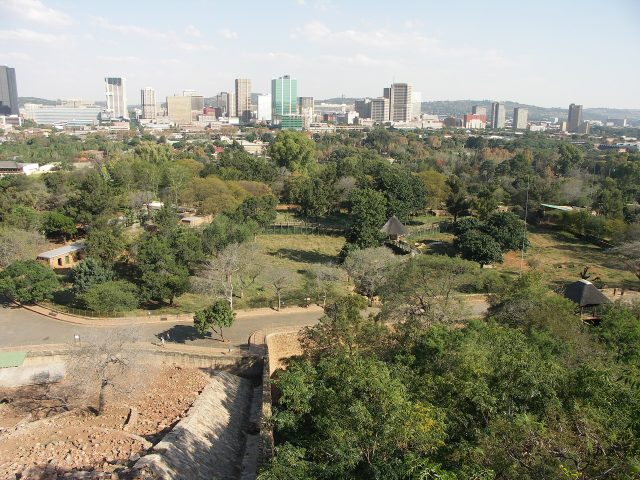
For Pretoria, Melrose House is more than an architectural landmark. It’s a physical record of the city’s transformations, from the capital of the Boer republics to a cornerstone of the British Empire and, eventually, part of a new South Africa. The house doesn’t shy away from this complexity. It holds the contradictions of its time: the opulence of colonial wealth alongside the weight of war and reconciliation. The treaty signed within its walls didn’t just end a conflict; it set the stage for the country’s future, making the house a silent participant in the shaping of modern South Africa.
What makes Melrose House compelling isn’t just its historical importance but the way it invites reflection. There’s no grand narrative imposed here, no attempt to smooth over the rough edges of the past. Instead, the house offers fragments—a letter left on a desk, a child’s toy tucked into a corner, the faint scratches on a doorframe—and lets visitors piece together their own understanding. It’s a place where history feels personal, where the line between then and now blurs just enough to make the past feel within reach.
In a city that has grown and changed around it, Melrose House remains a steadfast presence. It doesn’t demand attention but earns it, drawing those who seek more than just a glimpse of history. Whether it’s the quiet dignity of the rooms, the stories embedded in the walls, or the simple act of walking through spaces where pivotal moments unfolded, the house offers something rare: a chance to not just learn about the past, but to stand inside it.