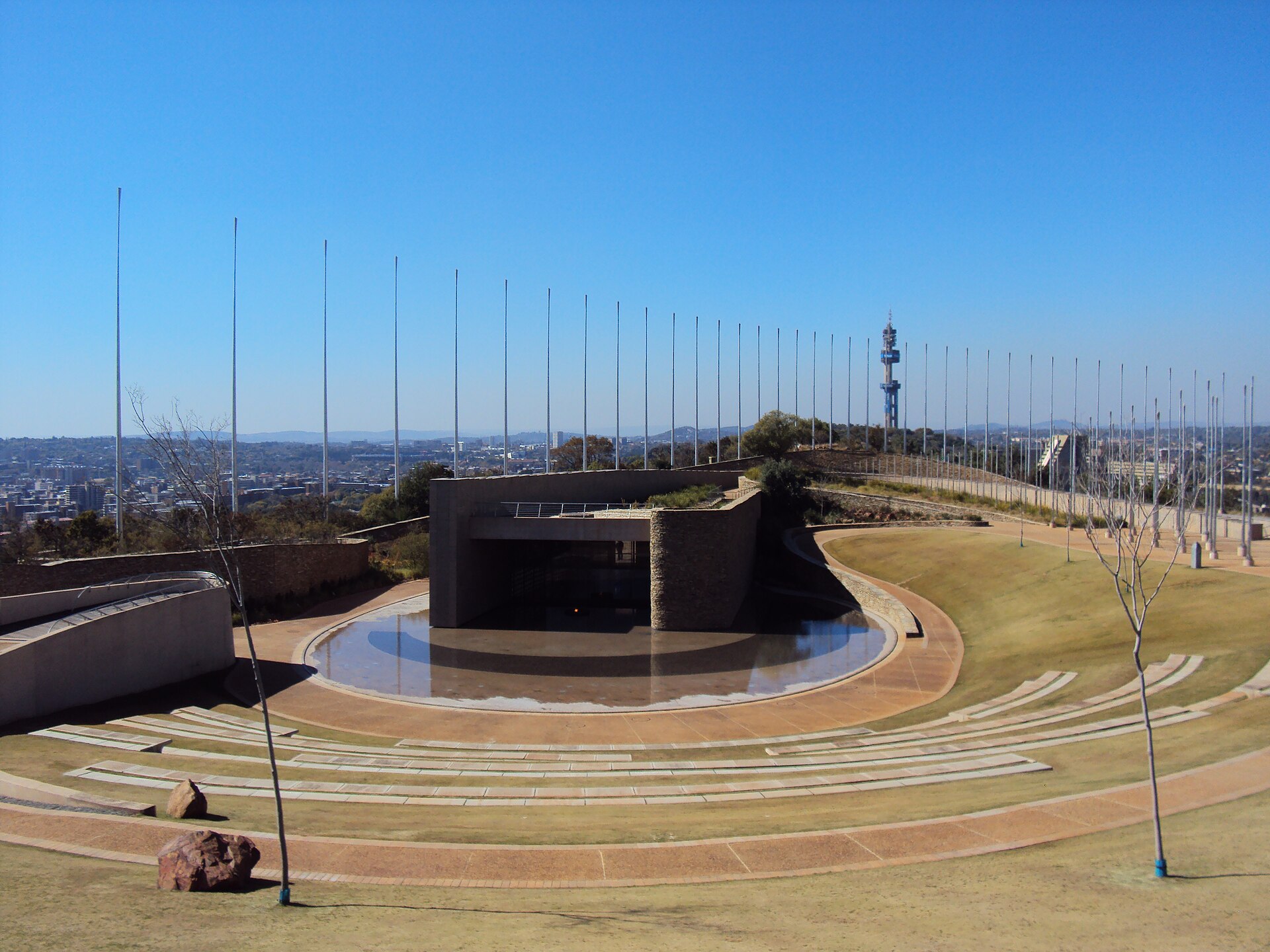
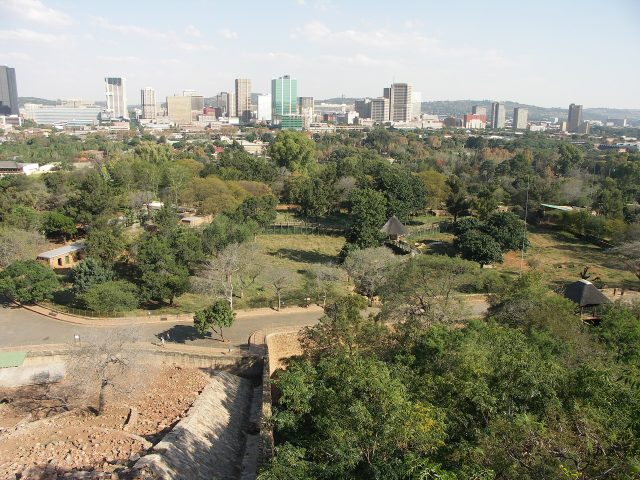
Freedom Park sits on Salvokop Hill, a place where Pretoria spreads below like an open book. The real story isn’t in the view—it’s in the ground beneath your feet. Here, history isn’t polished or packaged. It’s raw, uneven, and still being written by the people who walk through it.
The idea for Freedom Park emerged in the late 1990s, after the Truth and Reconciliation Commission had laid bare the wounds of apartheid. The country needed a place to honor those who had fought, suffered, and died—not just in the struggle against apartheid, but in the conflicts that came before. Construction began in 2000, and the park opened in 2007, though it hasn’t stopped changing since. It feels unfinished because the story it tells isn’t over.
At the heart of the park is Isivivane. The name means "a place of rest" in Nguni languages, and that’s what it is—a circle of stones from South Africa’s nine provinces, gathered around a central altar. Indigenous trees grow between them. The design is simple, but the weight of it is undeniable. People pause here. Some mourn. Some reflect. Some just stand in silence. The stones don’t speak, but they hold the stories of those who visit, binding past and present in a way words can’t always capture.
The //hapo museum stands nearby. Its name means "dream" in isiXhosa, and the building itself seems to hover above the landscape, its curved roof echoing traditional African dwellings. Inside, the exhibits skip the usual timeline of battles and treaties. Instead, they focus on people—farmers, miners, activists, mothers, children—whose lives weave together the larger story of South Africa. One exhibit traces a family through generations, showing how laws and conflicts reshaped their world. Another lets visitors listen to oral histories, where voices from the past describe their experiences in their own words. The museum doesn’t wrap history in a neat bow. It leaves the mess, the contradictions, and the unanswered questions for you to grapple with.
The Wall of Names is a long, low structure where over 75,000 names are etched into stone. These are the names of those who died in South Africa’s conflicts, from pre-colonial wars to the final years of apartheid. The wall is divided by era, but the names are all the same—no titles, no ranks, no distinctions. A freedom fighter stands beside a soldier. A civilian beside a chief. Visitors trace the letters with their fingers, searching for familiar names or simply standing in quiet recognition. The wall doesn’t ask for emotion. It only asks to be seen.
The park’s architecture blends modern design with traditional elements. Paths wind like rivers, a nod to the waterways that have sustained communities for centuries. Stone, wood, and metal were chosen for their durability and their connection to South Africa’s landscapes. The buildings seem to grow from the hillside, as if they’ve always been there. The park doesn’t impose a single aesthetic. It reflects the country’s diversity, where different traditions and histories coexist, sometimes uneasily, but always in conversation.
Freedom Park isn’t just a place to visit. It’s a place to engage. Schools bring students here for tours, where they learn how the past shapes the present. Lectures, workshops, and cultural events spark debates about identity, justice, and reconciliation. Groups of young people often gather under the trees, discussing what they’ve seen. The park doesn’t just preserve history—it participates in the national dialogue, offering a space where difficult questions can be asked.
The grounds are lush with indigenous plants. Benches are tucked into shady corners, where visitors can sit and process what they’ve seen. At sunset, the light softens the city below. The park doesn’t demand your attention. It allows for stillness, for the wind through the grass or the call of a hadeda ibis to fill the silence. In a city that moves quickly, Freedom Park offers a pause.
What sets Freedom Park apart is its refusal to simplify. It doesn’t offer a single version of South Africa’s past, nor does it pretend the country’s struggles are over. It presents history as something alive, something that shapes the present in ways both seen and unseen. For some, it’s a place of mourning. For others, a source of inspiration. For many, it’s both. It doesn’t ask you to leave your opinions at the gate, but it does ask you to listen—to the stories, to the silence, to the voices of those who came before. The conversation doesn’t end when you walk back down the hill.