Pampulha Zoo in Belo Horizonte is one of those places that doesn’t announce itself with fanfare but leaves a quiet, lasting impression. Tucked away in the Pampulha district—a part of the city known for its modernist architecture and laid-back rhythm—it feels worlds apart from the bustle of downtown. There are no crowds here, no pushy vendors, no sense of being hurried along. Instead, the space unfolds slowly: wide enclosures shaded by trees, winding paths where the only soundtrack is the rustle of leaves underfoot, and the occasional call of a bird.
The zoo’s origins trace back to the mid-20th century, when Belo Horizonte was still finding its footing as a major urban center. In those days, zoos weren’t built for spectacle but for science and education. The idea was to study local wildlife, protect endangered species, and introduce city dwellers to the natural world. Over time, the approach shifted toward prioritizing animal welfare and visitor experience, but the core mission remained the same: to foster a deeper respect for nature. That ethos still lingers in the way the zoo is run today.
Sprawling across a generous stretch of land, the zoo blends natural landscapes with carefully designed habitats. The enclosures are spacious, many of them mimicking the animals’ native environments. Monkeys swing through artificial treetops, big cats lounge in rocky enclosures with pools, and birds flit through aviaries that feel more like open skies than cages. While some species come from other continents, the focus is firmly on South American wildlife. Jaguars, tapirs, giant anteaters, and a dazzling array of birds—from scarlet macaws to Andean condors—are among the highlights. The zoo doesn’t just house animals; it gives them room to behave as they would in the wild.
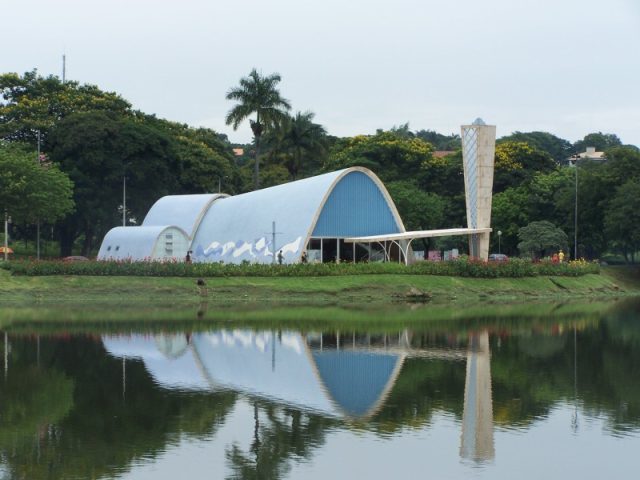
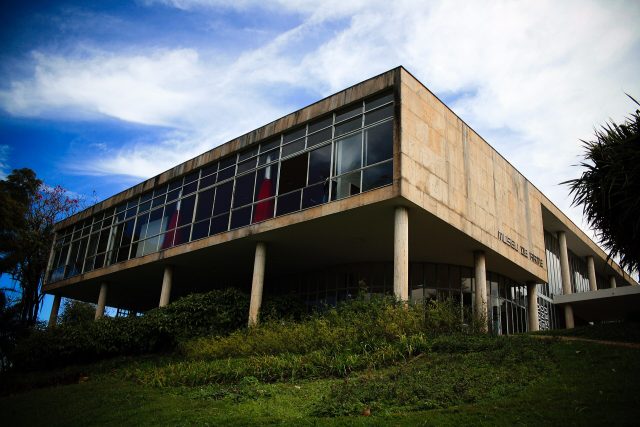
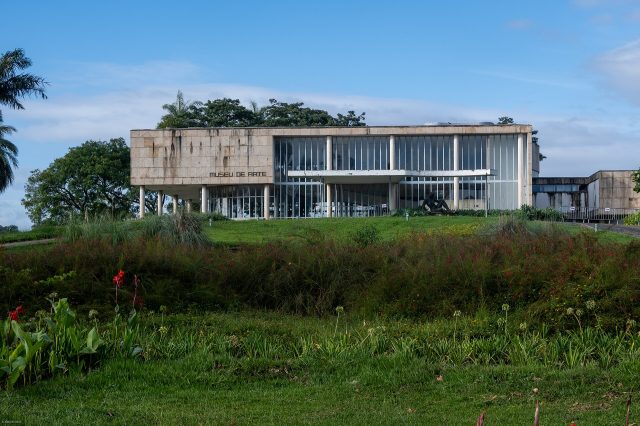
The architecture here is understated, especially compared to the bold curves of Oscar Niemeyer’s nearby landmarks in Pampulha. Yet there are subtle touches of mid-century modernism in some of the pavilions, with their clean lines and large windows that let in light without disturbing the animals. Other structures are purely functional, but even these don’t feel out of place. The real design achievement is how seamlessly the enclosures fit into the landscape. They don’t compete for attention but instead create the sense of a living park, where each species has its own niche.
A smaller but noteworthy feature is the zoo’s botanical garden. It may not rival the grand collections of Rio or São Paulo, but it holds its own with a thoughtful selection of Brazilian flora. Amazonian vines twist around trees, cacti from the arid sertão stand tall, and orchids bloom in bursts of color nearly year-round. The garden isn’t just decorative; it plays a practical role, too. The plants help regulate the microclimate, providing shade and humidity that benefit both the animals and visitors. On hot days, the garden’s shaded paths offer a welcome respite, a place to sit and watch butterflies drift between flowers or listen to the chatter of birds.
This isn’t a place where animals are simply put on display. The zoo sees itself as an educational space, one where children—and adults—can learn to see nature as something worth protecting. Regular programs, guided tours, and workshops focus on ecology and conservation. School groups often visit for themed days, where kids might feed animals, learn about their habitats, or even help with simple tasks like cleaning enclosures. For older visitors, the zoo partners with universities and research institutions, hosting occasional lectures and seminars on wildlife biology and environmental issues.
The atmosphere is unhurried, almost meditative. There are no long lines, no pressure to rush from one exhibit to the next. Visitors can wander at their own pace, doubling back to see something again or pausing to watch a jaguar doze in the sun. Weekends bring more families, but even then, the crowds never reach the levels of major tourist spots. Locals treat the zoo as a green escape, a place to spend a few hours outdoors, while travelers come to experience a side of Brazil that isn’t on the typical itinerary.
The zoo is open year-round, but the best time to visit is between April and September, when the weather is dry and mild. Animals are more active in these months, and the botanical garden is at its most vibrant. The rainy season, from October to March, can make some paths slippery and may close off certain areas, but it also means fewer visitors and a quieter, more introspective experience. Either way, the zoo adapts to the seasons, offering something different with each visit.
Though it’s not one of Belo Horizonte’s headline attractions, the zoo plays a meaningful role in the city’s life. For many locals, it’s a place to reconnect with nature without leaving the urban sprawl behind. For children, it might be their first encounter with creatures they’ve only seen in books. There’s no grandeur here, no attempt to dazzle with spectacle. Instead, the zoo succeeds by doing something simpler: reminding people that nature isn’t just something to observe from a distance but something to understand, respect, and protect. That quiet purpose is why it has endured for decades, not as a must-see landmark, but as a place that feels like it belongs to the city—and to anyone who walks through its gates.