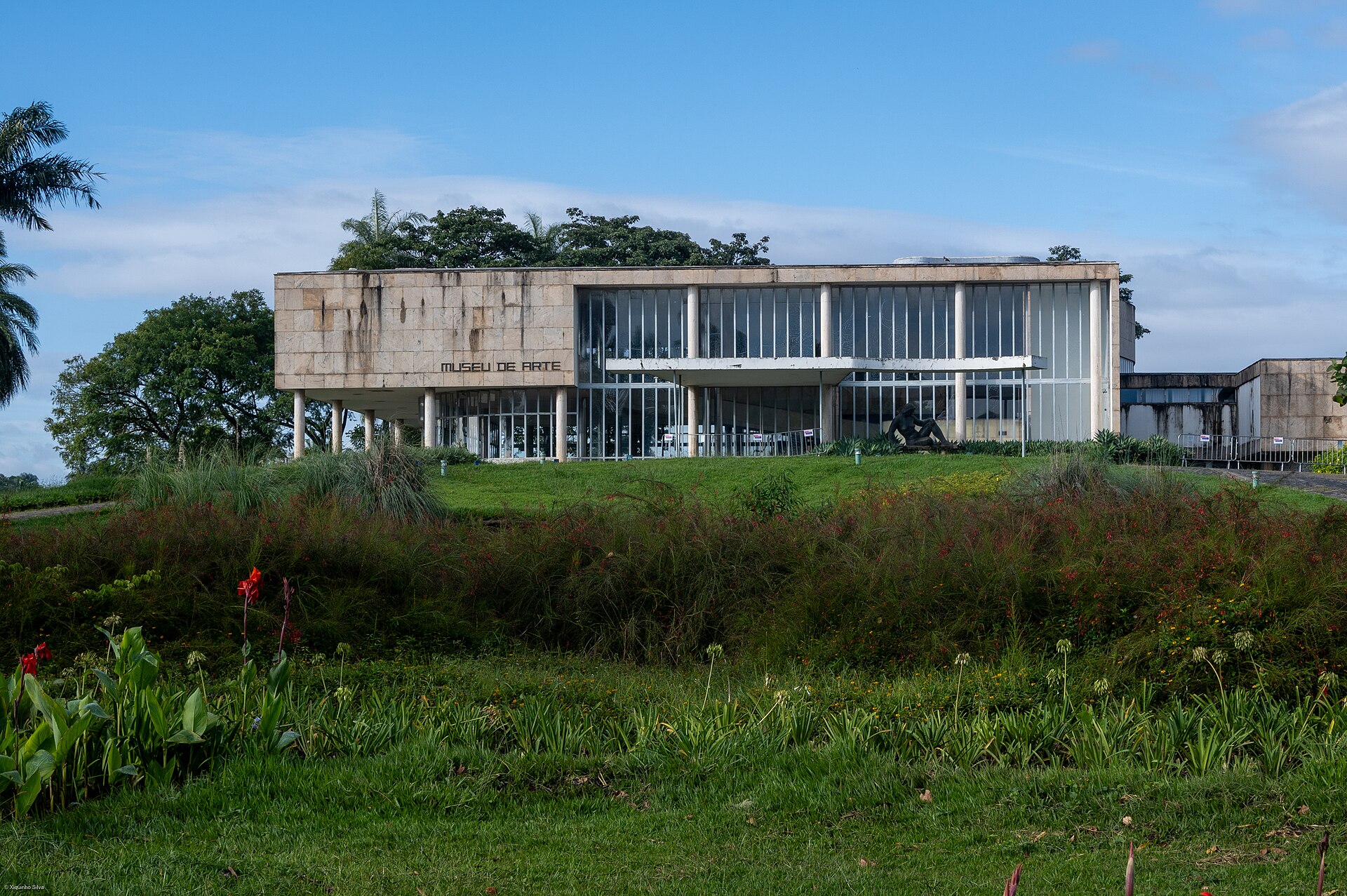
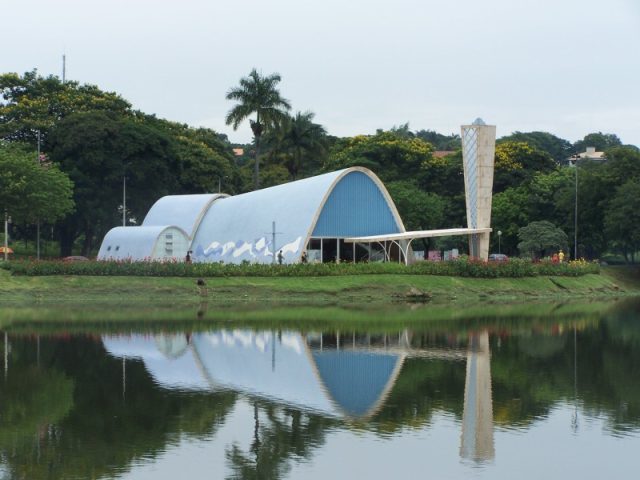
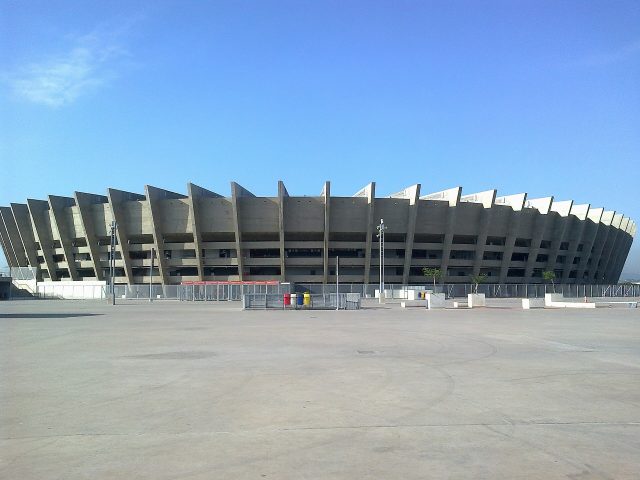
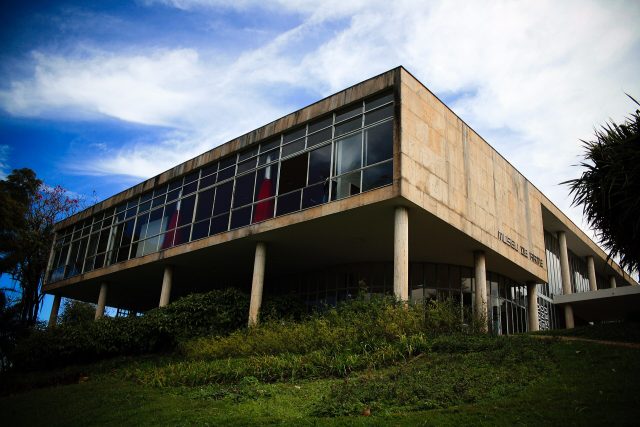
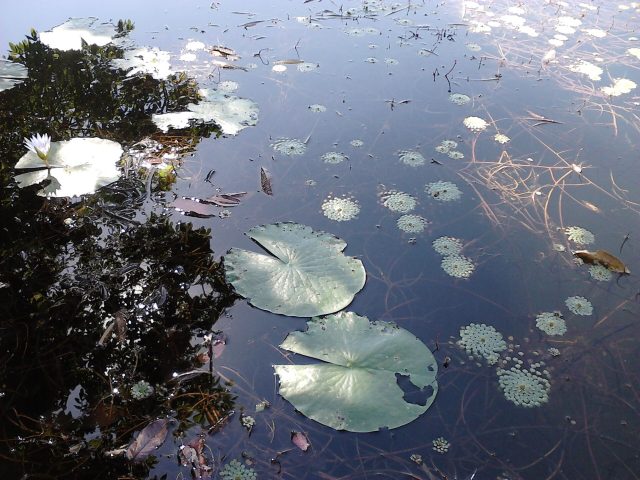
Pampulha Gardens isn’t just a patch of green in the heart of Belo Horizonte—it’s a piece of a larger vision that reshaped the city in the mid-20th century. Conceived as an extension of the Pampulha architectural complex, the gardens were designed to weave together the bold modernist lines of Oscar Niemeyer’s buildings with the natural landscape. The result is a space where pathways curve in gentle echoes of the nearby Church of Saint Francis of Assisi, and still waters mirror the sky as if drawn with deliberate precision. Here, architecture and nature don’t just coexist; they converse, turning what could have been a collection of separate structures into a single, harmonious whole.
The layout of the gardens feels both intentional and effortless. Wide promenades lead to quiet nooks where benches invite visitors to sit and watch the play of light on the water. The plantings—palm trees, flowering shrubs, and shade-giving native species—aren’t random; they’re the work of landscape architect Roberto Burle Marx, who had a rare talent for making nature and modern design feel like natural allies. There’s no sense of forced symmetry or rigid control, just an easy balance where each element has room to breathe.
At the heart of the gardens lies Lake Pampulha, a body of water that’s more than just a decorative feature. It’s a living part of the city’s rhythm. On weekends, families gather along the shore, children sail toy boats, and fishermen cast their lines more out of habit than necessity. As evening falls, the reflections of streetlights dance on the dark surface, tying the gardens to the rest of Belo Horizonte. This isn’t an isolated park but an open, accessible space where the city’s daily life unfolds without pretense.
The architectural touches scattered throughout the gardens are subtle but memorable. A small pavilion resembling a sleek white ship, sculptures half-hidden among the greenery—they don’t demand attention but quietly draw you in. There’s no grandiosity here, no heavy-handed monumentality. Instead, the design follows the modernist principle of lightness, where even the fountains murmur rather than roar, adding to the sense of calm rather than spectacle.
Pampulha Gardens also bridges the gap between past and present. What was once the outskirts of Belo Horizonte is now a cultural hub, where museums, cafés, and performance spaces exist alongside the quiet of tree-lined paths. You could easily spend an entire day here: a morning stroll along the lake, an afternoon in a museum, and an evening at a waterfront café. Locals often return out of habit, as if to a favorite spot where the city’s noise fades into the background.
There are no rigid rules here—no signs shouting about what you can’t do. You’re free to walk on the grass, have a picnic, or take photos by the lake. The few restrictions—don’t litter, don’t damage the plants, keep the noise down—feel like common sense rather than impositions. The atmosphere encourages slowing down, whether you’re alone with your thoughts or sharing the space with others.
The gardens aren’t frozen in time; they evolve alongside the city. Temporary art installations appear, new sculptures are added, and occasional open-air exhibitions bring fresh energy. Yet the core remains unchanged: a place where nature and architecture exist in equilibrium. That balance is why Pampulha Gardens has remained relevant for decades, neither fading into obscurity nor becoming a relic of the past.
For visitors, the gardens offer a different side of Brazil—one without carnival crowds or beachfront chaos. Here, the quiet lets you tune into the city’s everyday rhythm. You might see a jogger on the promenade, a student reading on a bench, or an elderly couple watching the water. There’s no performance, no curated experience, just the unfiltered life of a Brazilian city.
Pampulha Gardens isn’t a museum or a theme park. It doesn’t require special knowledge or a guided tour. You don’t need to seek out hidden meanings or follow a set path. All it asks is that you show up and let the space work on you—where every detail is considered, but nothing feels overbearing. That, perhaps, is the real magic of the place.