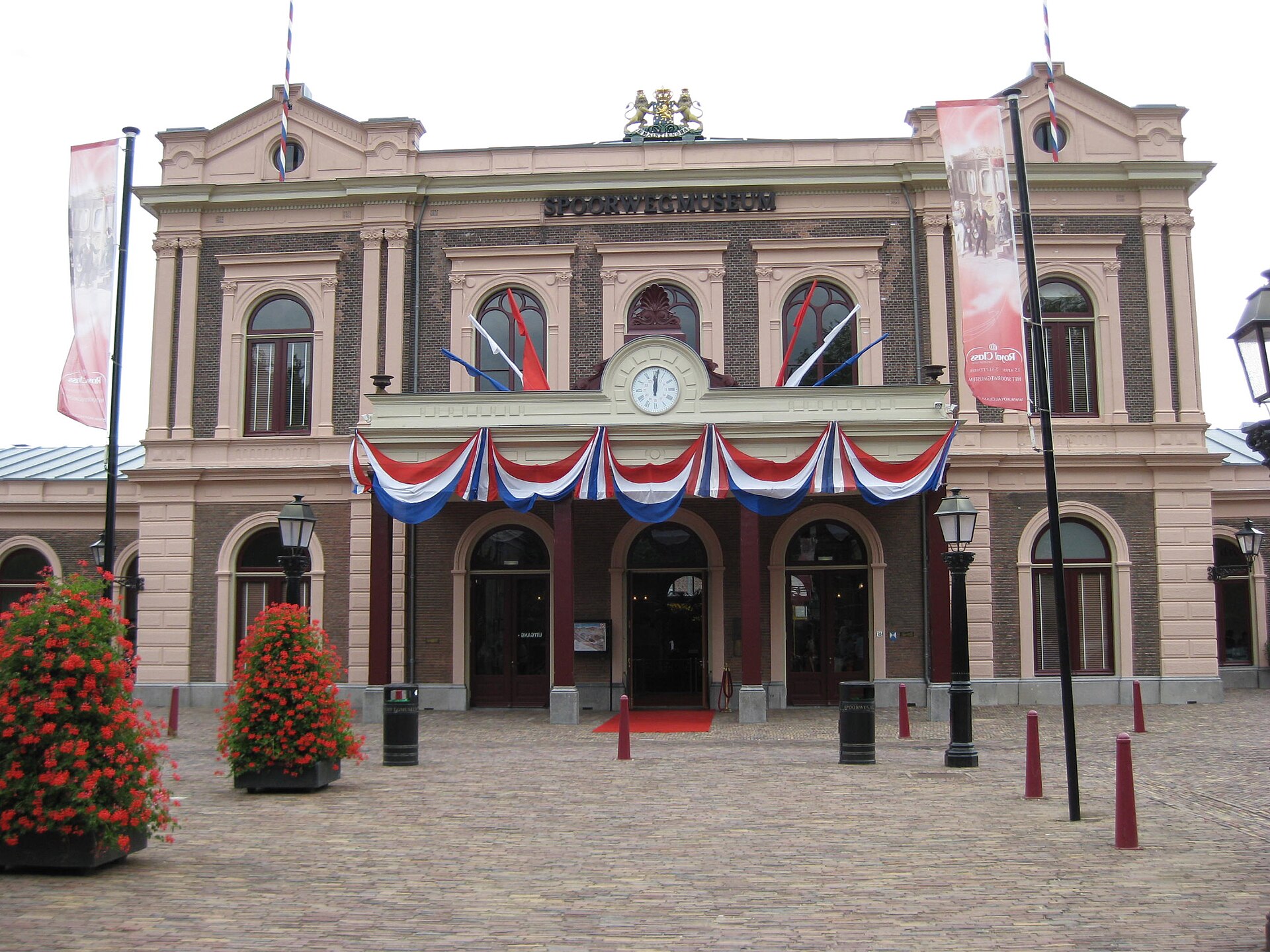
The museum stands in the former main railway station of Utrecht, where locomotives and carriages tell the story of the Netherlands’ railways. Trains here once meant progress and the freedom to explore. Now, the exhibits show how technology, station architecture, and society’s relationship with rail travel have changed—from 19th-century steam engines to today’s high-speed trains.
The building is part of the story. Built in the late 1800s, the old Utrecht station became the museum without losing its character. High ceilings, sturdy columns, and large windows make the space feel open. Mosaic floors and wrought-iron railings remind you that train travel was once an event. Inside, the past isn’t just displayed—it’s felt.
The collection covers over 150 years. You’ll see steam engines, electric and diesel locomotives, and carriages of every kind. Some were for aristocrats, others for freight or ordinary passengers. The railway models show how the network grew across the Netherlands and Europe. Many exhibits let you step inside. What was it like to travel by train a century ago?
Try the interactive zones. Sit in a simulator and drive a locomotive. Manage train movements at a model station. Play areas for children exist, but adults often get just as involved. The thrill of discovery doesn’t have an age limit.
Trains changed more than just travel. They reshaped daily life, created new jobs, and influenced how towns and cities grew. Exhibits cover railways in wartime, the competition for passengers, and even how travel fashion evolved—from opulent sleeping cars to today’s budget compartments.
Small details matter. Old tickets, timetables, uniforms, and dining car tableware tell their own stories. A waiting room clock or a signal lantern might seem minor, but they show what working on the railways was like. They reveal the rituals of travel.
The museum keeps evolving. Temporary displays focus on specific periods or themes—art inspired by trains, cultural exhibits, or particular events. This keeps the experience fresh for those who return.
History here isn’t static. You don’t just read plaques. You touch, try, and play. That’s why locals visit too—the railway is part of their identity. A visit can take hours as you move from one exhibit to the next, absorbing the details.
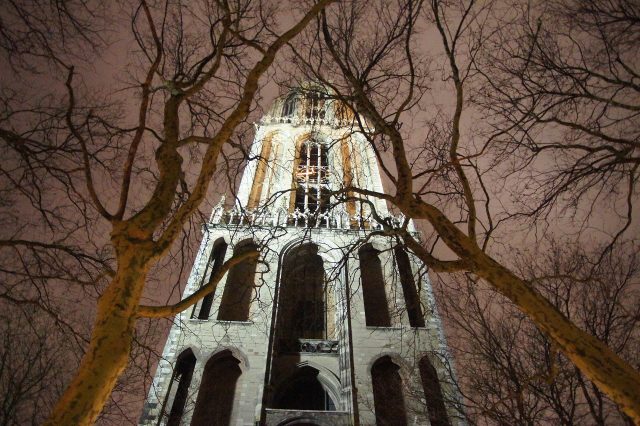
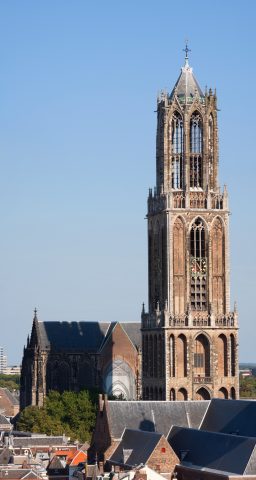
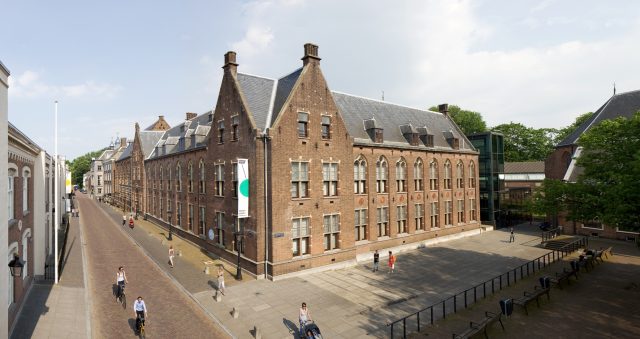
Utrecht’s historical roots run deep, and the Railway Museum fits right in. After your visit, walk the old streets, have coffee, or sit by the canals. Think about how trains connected places and sparked adventures. They’re more than transport—they’re symbols of change.