The Centraal Museum in Utrecht is the kind of place where the city’s past feels alive—not through dry timelines or museum labels, but through the everyday objects that once belonged to someone. Founded in 1838, it was the first municipal museum in the Netherlands, and its collection grew not through grand acquisitions, but because locals brought in what they felt was worth preserving. There’s no pomp here, no overwhelming scale of a national gallery. Instead, it feels like flipping through the city’s family album, full of quiet triumphs, oddities, and unexpected discoveries.
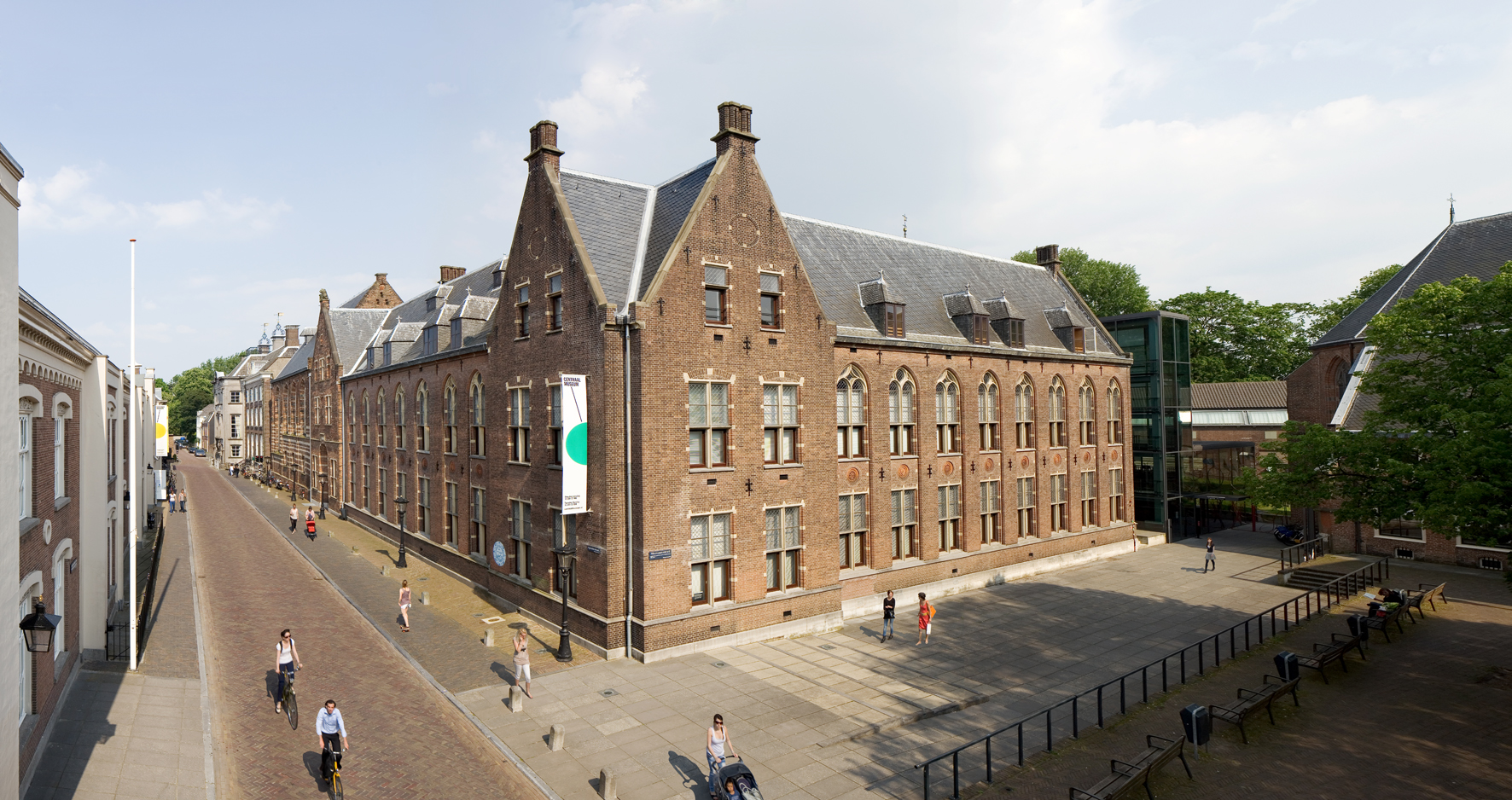
The building itself is part of the story. It occupies what was once the Convent of Saint Agnes, established in the 13th century. Over time, the monastery was expanded, repurposed, and eventually transformed into a museum in the 19th century, yet traces of its past remain—the medieval vaults, the worn stone staircases, even fragments of the old cloister garden. Gothic arches stand alongside Renaissance additions and modern exhibition spaces, and the transitions between them feel natural, as if the building has simply adapted over centuries, changing its purpose while staying very much alive.
The museum’s collection spans over six hundred years of Utrecht’s art and history. One of its highlights is the work of the Utrecht Caravaggisti, 17th-century painters who brought the Italian master’s dramatic use of light and shadow to the Netherlands. Their canvases, full of realism and intensity, contrast with earlier religious works that still carry the weight of medieval tradition. Portraits take up a special place here, from formal depictions of city patricians to intimate studies of merchants and craftsmen, their faces marked by time and personality. Among them is Anna Maria van Schurman, the first woman in the Netherlands to receive a university education—her sharp, almost amused gaze seems to invite conversation.
But the museum isn’t just about paintings. Archaeological finds tell the story of Utrecht’s Roman roots, when the city was a frontier outpost of the empire. Coins, pottery, weapons—these fragments piece together daily life in a distant era. The collection of medieval household items is particularly striking: carved chests, painted ceramics, even children’s toys. They serve as a reminder that behind every grand historical event were ordinary people with their own joys and struggles. One room features a reconstruction of a 17th-century Utrecht home, with its low ceilings, dark wood furniture, and the faint scent of aged timber lingering in the air.
Contemporary art has its place here too. The museum doesn’t dwell solely on the past but actively engages with living artists, hosting exhibitions that spark debate. Abstract installations share space with works that tackle social and political themes, and the contrast between old and new creates a dialogue between eras. There are no right or wrong answers here, just different ways of seeing the world.
The fashion collection stands out on its own. It’s not just about clothes and accessories but the stories behind them. A 19th-century wedding dress, made from fabric imported from the Dutch East Indies, speaks of trade routes, status, and the labor that went into creating a single garment. Nearby, 20th-century outfits reflect shifting social norms—from the structured silhouettes of the early 1900s to the free-flowing styles of the 1960s. This collection isn’t just about beauty; it’s a record of cultural, economic, and personal change.
Utrecht itself is a recurring theme. One gallery features models and engravings showing how the city has evolved over centuries. You can see medieval Utrecht, with its narrow streets, canals, and towering churches, alongside the modern city where old and new coexist. Comparing old maps to the view outside is fascinating—many of the buildings depicted still stand, creating a tangible link to the past. It’s not just history to be studied; it’s history you can almost step into.
The museum’s atmosphere encourages slow exploration. Unlike Amsterdam’s crowded galleries, this is a place where you can linger over details. Locals often visit—school groups on field trips, students sketching, older residents who treat the museum like an old friend. There’s no attempt to impress with grandeur; instead, it feels intimate, as if history is reaching out rather than looming over you.
After wandering the galleries, the museum café is a perfect place to pause. Set in what was once the monastery’s herb garden, it’s a quiet spot to sip coffee, flip through an exhibition catalog, or simply watch the light play across the ancient walls. If you’re lucky, there might be a concert or lecture happening—events that turn the museum into a living part of the city, a place where culture doesn’t stand still.