Utrecht’s canals are waterways that carry the city’s history in their stone banks and still water. They differ from Amsterdam’s: here, the water flows through daily life without losing its character. These canals predate many European capitals, and their purpose was practical—they were part of a medieval water management system that directed the city’s growth.
The Oudegracht, or Old Canal, is the core of Utrecht’s canal network. It was dug in the 12th century when the Rhine’s unpredictable waters threatened the city center. Locks and dams were built, and warehouses and homes rose along the banks. Trade flourished—wine, grain, and other goods moved along the water. Now, cafés and restaurants line the canal, but the past lingers in the low cellars beneath the buildings, once used for storage and now home to bars and shops.
Utrecht’s canals have a two-level design. Alongside the water runs a quay, and below it, the wharves—roads at water level. This layout is uncommon in Europe. The wharves were once where cargo was unloaded from barges. Today, they’re where locals walk, couples meet, and students sit with food. When it rains, the water rises almost to the wharves, turning the canals into a reflection of lamplight and old facades.
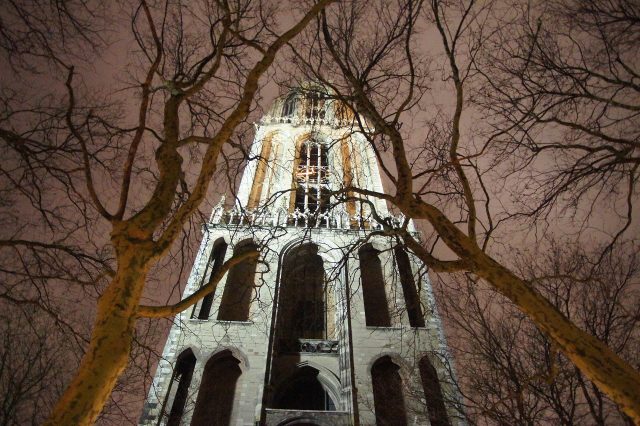
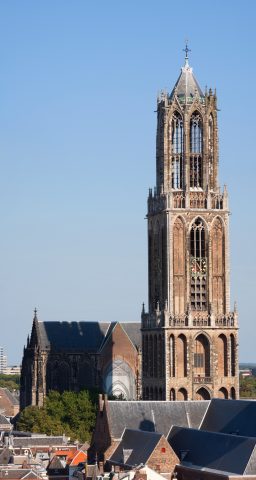
The buildings along the canals show Utrecht’s history. Medieval churches stand beside merchant houses, and modern structures fit into the old cityscape. The Dom Tower is the most visible landmark. It was meant to be part of a cathedral, but a storm in the 14th century stopped construction. The tower remains separate, a symbol of the city and a guide for those navigating Utrecht’s streets.
Utrecht’s canals are part of the city’s daily life. In summer, cafés and restaurants float on the water. In winter, when the canals freeze, they become ice rinks. Locals cycle along the banks, read by the water, or watch boats pass. Unlike Amsterdam, where tourists often dominate, Utrecht’s canals are part of the city’s fabric, not just a scene for photos.
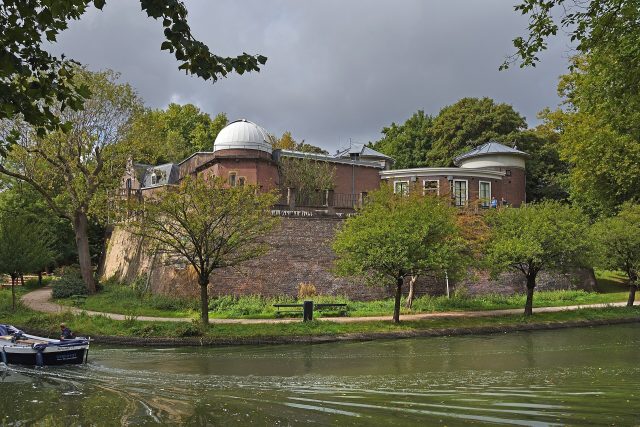
Walk the Singel, the canal that circles the historic center. It’s quieter than the Oudegracht, with more trees and parks. The Singel was once part of the city’s defenses, and old ramparts still stand along its edges. Now, it’s a place to slow down, where the water’s movement invites you to stay.
The canals are also part of Utrecht’s future. New bike paths, pedestrian zones, and public spaces have been added, but the historic character remains. The water still cools the city in summer, serves as a transport route, and adds to daily life. This balance between old and new keeps the canals alive.
If you visit Utrecht, don’t hurry past the canals. Find a bench by the water. Watch a boat drift by, a cyclist pass, or listen to the Dom Tower’s bells. This is where history is still unfolding, day by day.