Luz Railway Station in São Paulo is one of those places that quietly weaves itself into the fabric of city life, carrying within its walls the stories and spirit of an entire era. Built at the turn of the twentieth century, it wasn’t just a transport hub but a symbol of the progress and transformation that railways brought to Brazil. Today, it remains a vital part of the city’s map—not only as a place where trains depart and arrive, but as an architectural landmark and a living piece of urban history.
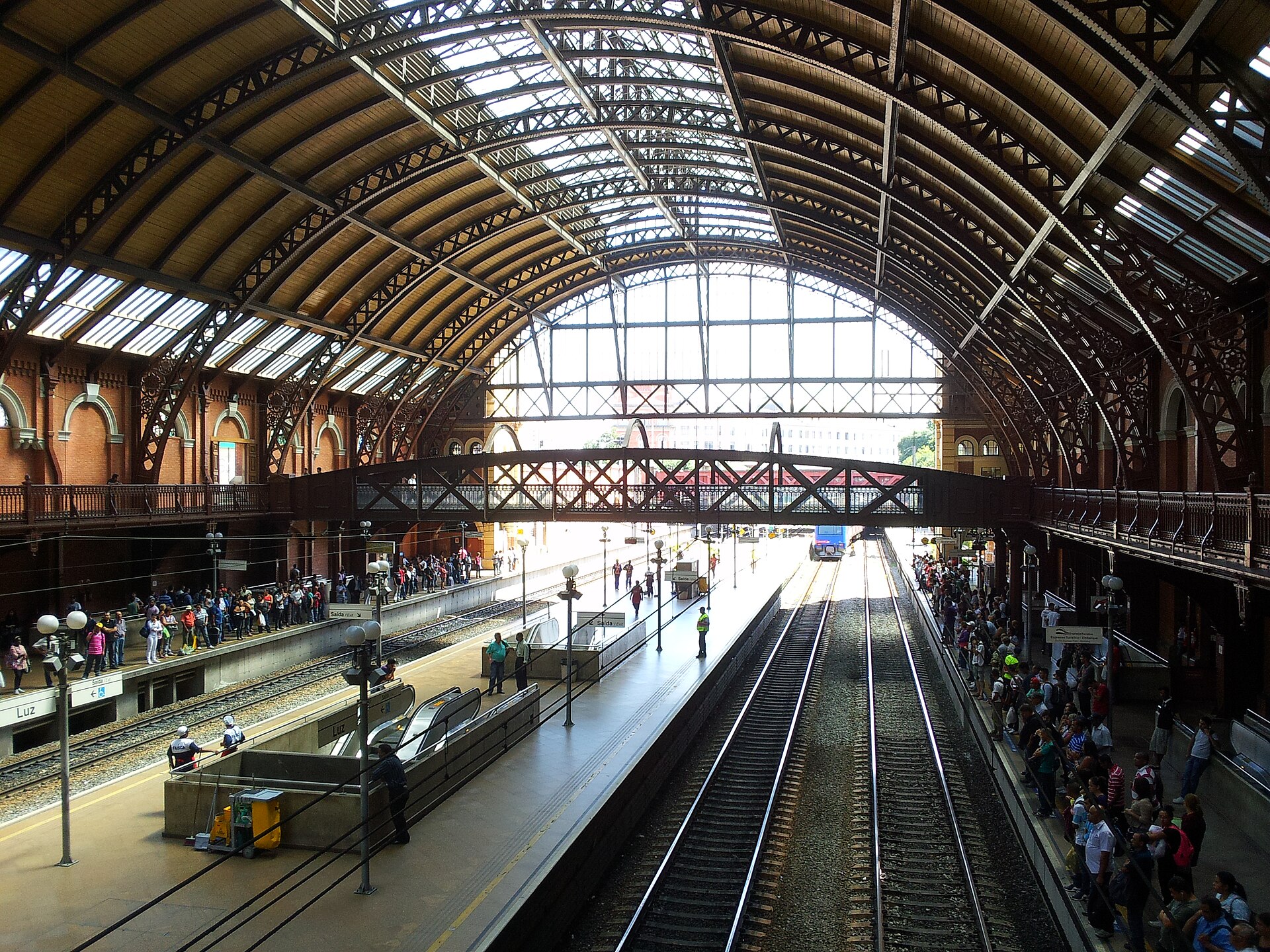
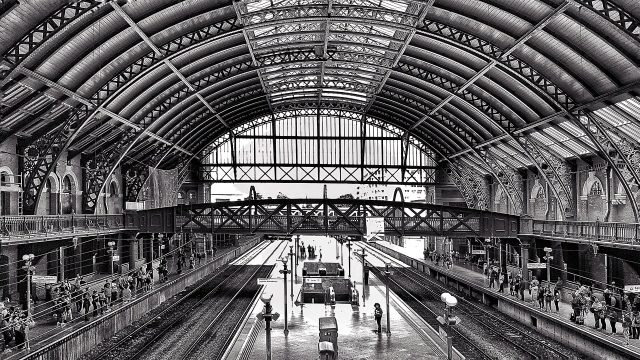
The station’s building stands out with its imposing yet elegant design, a reminder of a time when railway stations were more than just functional structures—they were grand gateways to the city. The façade, constructed from stone and brick, exudes a sense of permanence, while the high ceilings, spacious halls, and large windows create an atmosphere of light and openness, a rarity in public buildings of that era. Inside, traces of the original craftsmanship remain in the intricate plasterwork, wrought-iron railings, and mosaic floors, each detail a testament to the skill of the architects and builders who shaped it.
Opened in 1901, Luz Station quickly became a crucial link between São Paulo and the rest of the country. In those days, railways were the primary means of long-distance travel, and stations like this one served as more than just transit points—they were places of farewells, reunions, and new beginnings. The station saw a cross-section of society: laborers, farmers, businessmen, and travelers, each bringing their own stories. Over time, it became an inseparable part of the city’s identity, its building one of São Paulo’s most recognizable symbols.
By the mid-twentieth century, as cars and airplanes began to overshadow rail travel, many stations lost their former significance. Luz, however, adapted. Today, it still serves commuter trains connecting the city center with its outskirts and neighboring municipalities. Thousands of passengers pass through its halls daily, rushing to work, school, or home. Yet despite the modern hustle, the station retains a sense of its past—echoed in its architecture, the rhythmic sounds of arriving and departing trains, and the faces of people who still gather here.
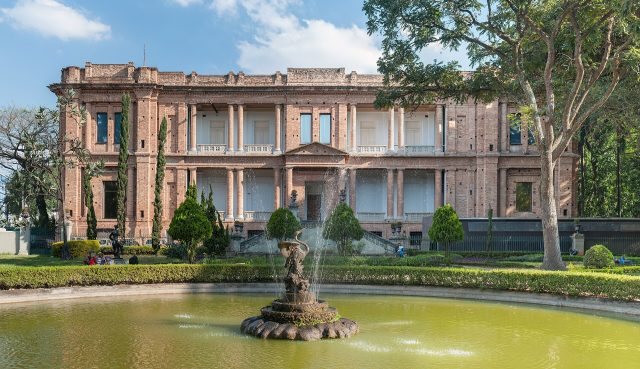
One of the station’s most notable features is its proximity to the Pinacoteca, one of São Paulo’s most renowned museums. This connection turns Luz into more than just a transport hub; it becomes a cultural landmark. Founded in the early twentieth century, the Pinacoteca houses an impressive collection of Brazilian art, and many visitors combine their museum trip with a stop at the station, whether to admire its architecture or linger in one of the nearby cafés.
In recent decades, Luz Station has drawn the attention of city officials and architects working to preserve its historical character while updating it for modern needs. Restoration efforts have focused on reviving original elements of the building and improving passenger infrastructure. These projects ensure that the station remains a living part of the city’s heritage, not a relic frozen in time.
Walking through Luz Station today, it’s easy to imagine the voices of past travelers, the clatter of trains pulling away, and the way the city has grown around this place. The station doesn’t try to be flashy or cutting-edge—its value lies in its authenticity. There are no neon signs or loud advertisements here, just the quiet dignity of a building that has witnessed decades of change.
For many Paulistanos, Luz Station is more than just a stop on their daily commute. It’s a place tied to personal memories—first trips, chance encounters, or quiet moments of reflection. In a city that moves at a relentless pace, the station offers a rare sense of continuity, a reminder that even in the midst of constant change, some things endure.