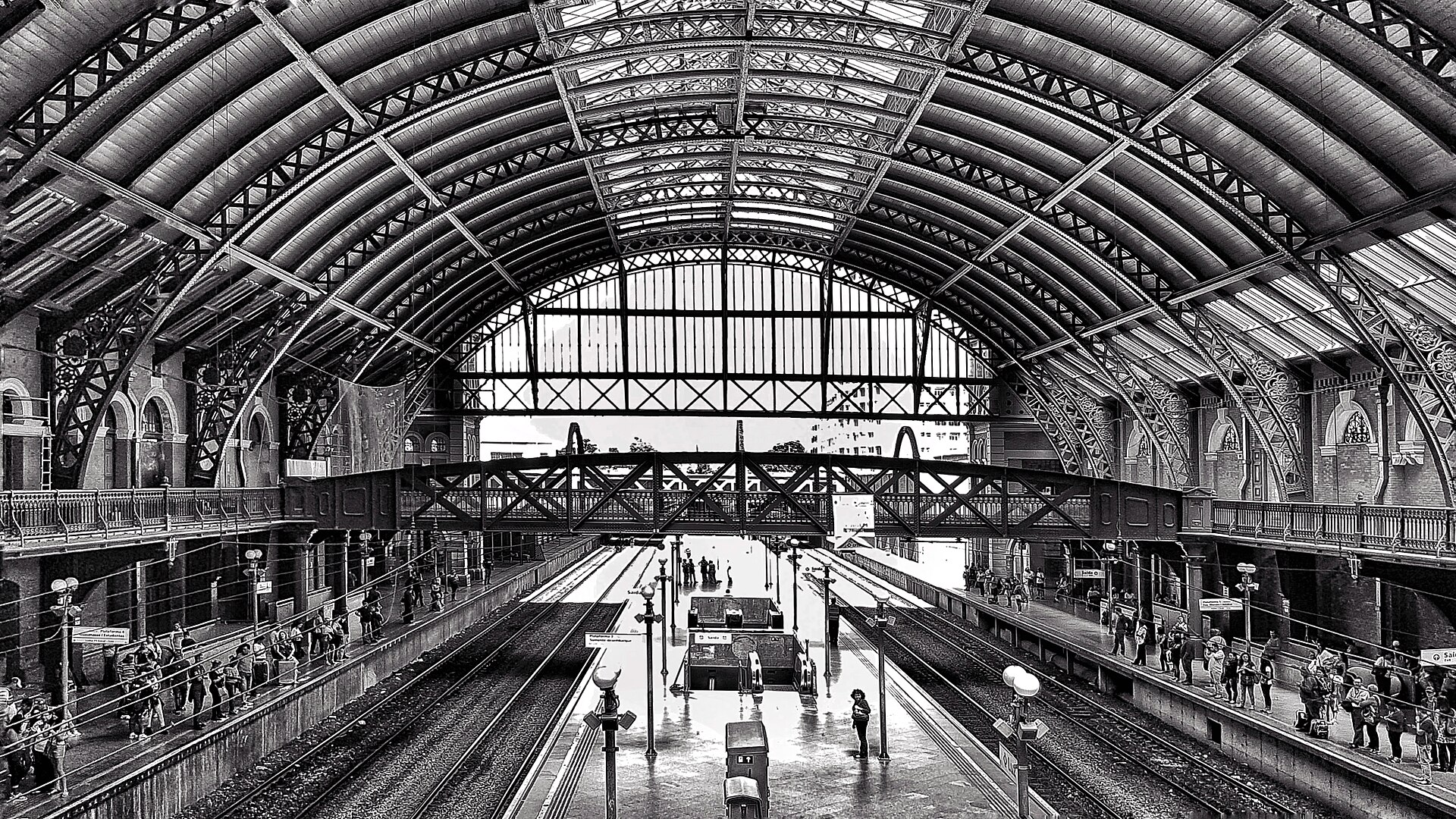
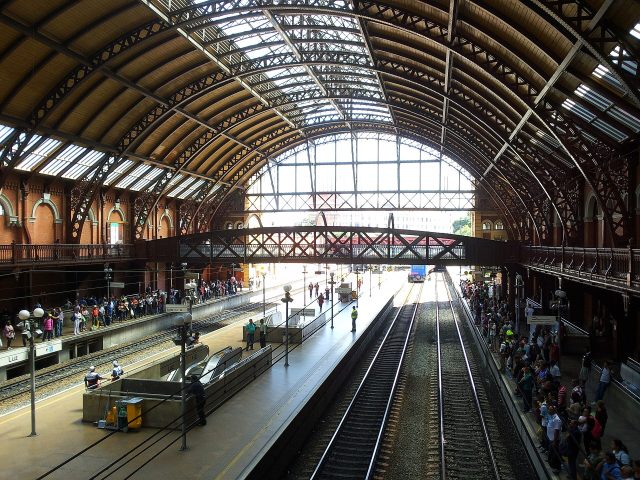
The Museum of the Portuguese Language in São Paulo isn’t just a place to learn about words—it’s an attempt to capture the very essence of a language that connects over two hundred million people across continents. Housed in the historic Luz Station, the museum occupies a building that dates back to the late 19th century, a time when Brazil was still an empire and São Paulo was just beginning its transformation into an industrial powerhouse. The station itself is a relic of an era when railways symbolized progress, and train stations weren’t just transit points but spaces of reunion, farewell, and new beginnings. Beneath its wrought-iron arches and soaring ceilings, the museum brings language to life, making it tangible, audible, and ever-changing before visitors’ eyes.
The exhibits are designed to present Portuguese not as a rigid set of rules but as a living organism that breathes, evolves, and interacts with culture, history, and people. There are no dusty display cases here—just immersive installations that let visitors hear how Portuguese sounds in different corners of Brazil and beyond, from the rural Amazon to the streets of Lisbon. One hall explores the language’s borrowings and influences, showing how Indigenous words intertwined with African and European ones to create the unique blend that is Brazilian Portuguese. It’s a reminder that language isn’t static; it’s shaped by the people who speak it, the places they live, and the stories they tell.
A significant part of the museum is dedicated to the history of the language itself. From medieval troubadours to modern-day rappers, from early written texts to internet memes, the exhibits trace how Portuguese has adapted over centuries. One room highlights Brazil’s literary giants, like Machado de Assis and Jorge Amado, whose works have become classics far beyond the country’s borders. Their voices echo through audio recordings, while excerpts from their books are projected onto walls, illustrating how literature both shapes and is shaped by language. It’s a celebration of how words can transcend time and place, carrying meaning across generations.
The museum also delves into the everyday life of the language, showing how Portuguese is used in advertising, music, film, and even political slogans. One exhibit recreates the atmosphere of a Brazilian street, with samba and bossa nova playing in the background, clips from iconic films flashing on screens, and quotes from popular TV shows appearing and disappearing. It’s a vivid reminder that language isn’t just grammar and vocabulary—it’s a living part of national identity, woven into the fabric of daily life. Whether in a song, a protest chant, or a casual conversation, Portuguese is always evolving, always reflecting the people who speak it.
The Luz Station building, where the museum is located, is a landmark in its own right. Designed by British architect Charles Henry Driver and completed in 1895, it was once one of the most modern train stations in Latin America. Its clock tower has become an iconic symbol of São Paulo, while the interior still retains the grandeur of an era when train travel was an event in itself. Today, the station remains a bustling hub, and the museum blends seamlessly into its rhythm. Visitors might rub shoulders with commuters rushing to work or locals returning home, creating a sense of connection between the museum’s exploration of language and the city’s daily pulse.
In 2015, a fire caused significant damage to the museum, but it reopened a few years later, more modern and technologically advanced than before. The reconstruction didn’t just restore what was lost—it added new elements that make the experience even more engaging. Now, the museum hosts temporary exhibitions, lectures, and workshops where visitors can try their hand at translation, poetry, or even creating memes. It’s a space that encourages participation, inviting people to not just observe but to engage with language in creative ways.
Spending a few hours here can feel like losing track of time. The museum doesn’t offer easy answers; instead, it poses questions. How does language shape us, and how do we shape it? Why do some words fade away while others become part of everyday speech? How did Portuguese, born in a small European country, grow into the language of a vast and diverse nation like Brazil? There are more questions than answers, and that’s what makes the museum so compelling. It doesn’t just teach—it makes you think, wonder, and perhaps even see your own relationship with language in a new light.
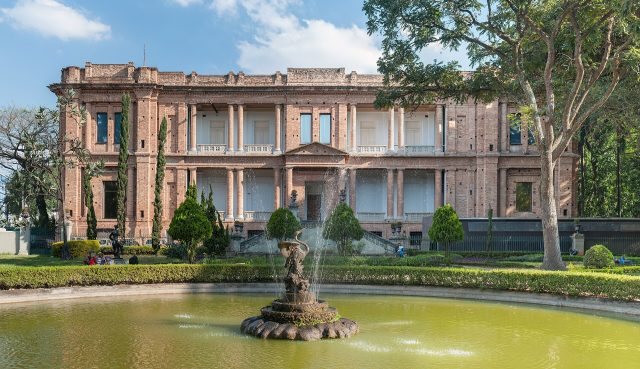
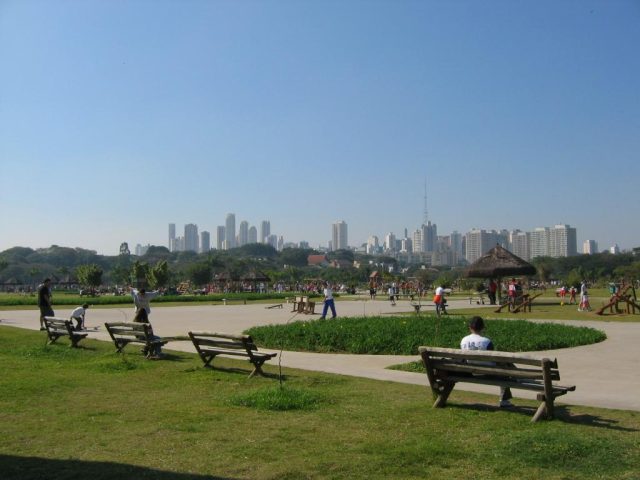
A visit to the museum can be a natural starting point or a fitting end to exploring the Luz district, a neighborhood full of contrasts. Here, historic mansions stand alongside modern skyscrapers, bustling markets coexist with quiet squares, and the energy of the city is palpable. Around the station, vendors sell fresh fruit, street musicians strum guitars, and locals go about their day. The museum seems to absorb this vibrancy and reflect it back, reminding visitors that language is more than just a tool for communication. It’s a living thread that connects past and present, people and cultures, words and emotions. Whether you’re a language enthusiast or simply curious, the Museum of the Portuguese Language offers a unique way to experience the heartbeat of Brazil.