Vila Lobato Park is one of those quiet corners of Luz where the past lingers in the air. Tucked away in the heart of the city, it feels like a place where time has slowed, where the streets still remember the clatter of early automobiles and the calls of vendors pushing carts of fresh fruit. There are no crowds here, no tourist trails—just the rustle of leaves and the occasional murmur of locals who come in the mornings with thermoses of coffee or in the evenings with books to read under the trees.
The park’s history is woven into the story of Luz itself, a town that grew from a small settlement into a key railway hub in the early 20th century. Vila Lobato began as private land before the city gradually acquired it to create a public space. It was named after Monteiro Lobato, the beloved Brazilian writer whose stories of childhood and nature have become classics. Walking through the park, it’s easy to imagine the characters from his books—curious boys darting down the paths or girls gathering flowers by the pond—as if they might appear at any moment.
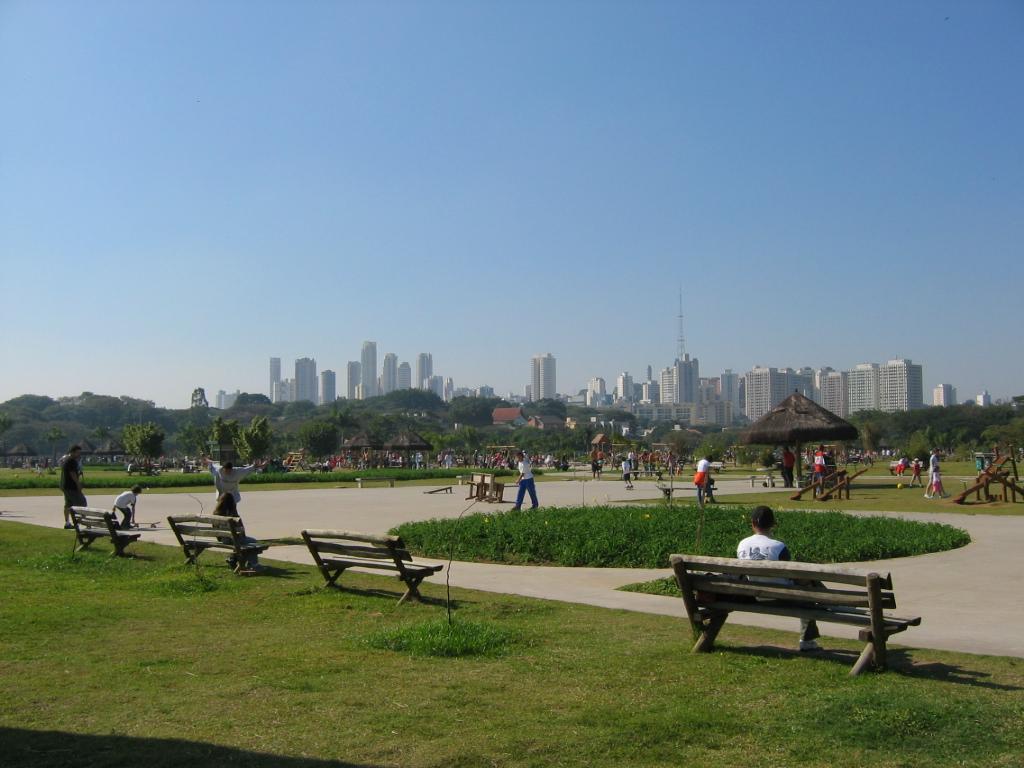
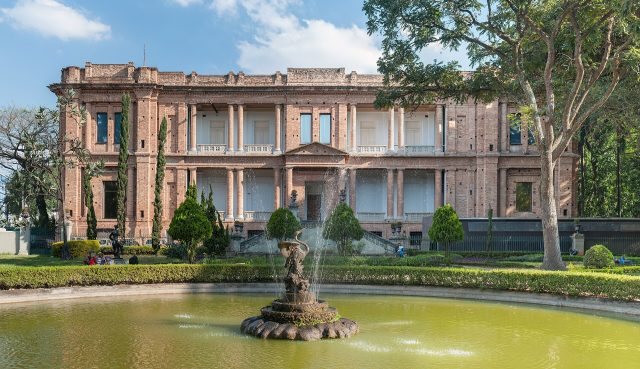
The architecture here is unassuming but full of character. A stone-paved central walkway leads to a small fountain, always surrounded by pigeons. The old lampposts, installed in the 1930s, cast a soft glow in the evenings, their light stretching long shadows across the paths. Wooden benches line the walkways, many bearing the marks of time—initials carved into the armrests or dates etched by visitors long ago. On the edges of the park, remnants of a red-brick wall hint at its past as private property, now blending into the greenery.
The park’s nature is neither wild nor overly manicured. Jacaranda and mango trees grow freely, their branches forming a natural canopy over the paths. When the jacarandas bloom, their purple flowers blanket the ground, turning the walkways into a patchwork of color. A small pond sits at one end, home to ducks and the occasional heron. Children sometimes bring bread to feed the birds, though adults often remind them it’s not the best diet for wildlife.
Vila Lobato isn’t a place for grand attractions or constant activity. It’s where life moves at its own pace. In the mornings, elderly locals come for light exercise or to sit with a newspaper. On weekends, families stroll with their children, and teenagers spread out blankets for picnics. In the summer, small concerts or open-air exhibits might take place, but more often than not, the park is simply quiet. Even rain doesn’t keep people away—they come with umbrellas, walking the damp paths and breathing in the scent of wet earth and leaves.
What makes the park special is its lack of pretense. There are no perfectly trimmed lawns or elaborate flowerbeds, just an unpolished charm that feels genuine. It’s a place where time doesn’t rush, where people come not for entertainment but for a moment of stillness. For those who live in Luz, Vila Lobato isn’t just a green space—it’s a piece of the city’s history, a reminder of what it once was.
If you find yourself in Luz, take a detour here. Spend half an hour on a bench, listening to the sounds of the city soften into the background, or wander the paths, noticing the old trees and the way the light filters through their leaves. You won’t find anything extraordinary, but that’s the point. Vila Lobato doesn’t demand attention—it only asks that you pause and look around.