Luz Cathedral is one of those places that doesn’t demand attention at first glance but lingers in the mind long after you’ve left. Tucked away in the heart of a small Brazilian town, it stands surrounded by faded pastel houses and the hum of morning cafés where locals sip their coffee. Unlike the grand cathedrals of Rio de Janeiro or São Paulo, this one doesn’t overwhelm with size. Instead, it feels quietly assured, as if time moves at a gentler pace here, and the architecture carries history without pretension.
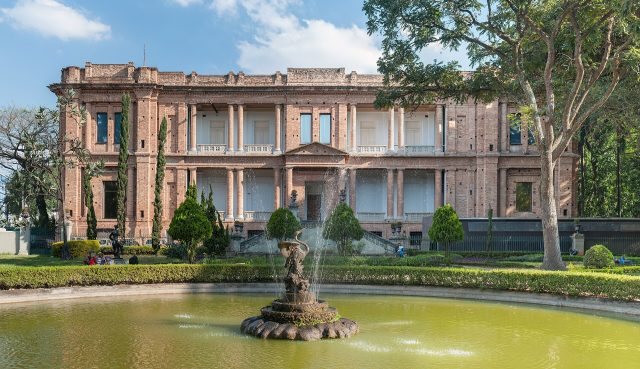
Built in the early 20th century, when Luz was still transitioning from a modest settlement into a proper town, the cathedral arrived during a period of change in Brazil. Churches then weren’t just places of worship—they were symbols of progress, markers of a community’s growth. Luz Cathedral became one such marker, its brick walls holding stories of the town’s evolution. The design blends neoclassical elements with local influences: tall windows, clean lines, and a modest portico that invites you in.
Inside, the space feels airy and bright. Sunlight filters through stained glass, casting soft blue and gold patterns across the stone floor. The altar is carved from wood, free of gilding, though the craftsmanship is evident in the details. There are no crowds here, not even on feast days. Instead, the cathedral draws those who come for quiet reflection—locals stopping by after work to light a candle or sit on a pew, watching the flicker of oil lamps.
The cathedral is woven into the fabric of the town. Generations have been baptized, married, and mourned within its walls. The square outside becomes a gathering place during religious festivals, hosting small fairs and celebrations that bring together not just the faithful but anyone who wants to feel the pulse of an old Brazilian town.
Time has left its marks—peeling paint, cracks in the plaster—but the building retains its original character. This is rare in Brazil, where historic structures often either get repurposed for tourism or left to decay. Luz Cathedral has avoided both fates. It isn’t preserved as a museum piece but as a living part of the town, cared for by those who still use it.
On a quiet weekday, you might find the cathedral nearly empty. The creak of the wooden doors, the echo of footsteps on stone—these sounds fill the space, making it feel as though the walls hold more than just prayers. They carry the weight of countless stories, the voices of those who have knelt here over the decades.
Luz isn’t a tourist town, and its cathedral isn’t on any must-see lists. That’s what makes it special. There are no crowds, no souvenir stalls, no guides shouting through megaphones. Just silence, the play of light through stained glass, and the sense that you’ve stumbled upon a place where history isn’t performed for visitors but simply exists—quietly, alongside you, as much a part of the town as the air itself.