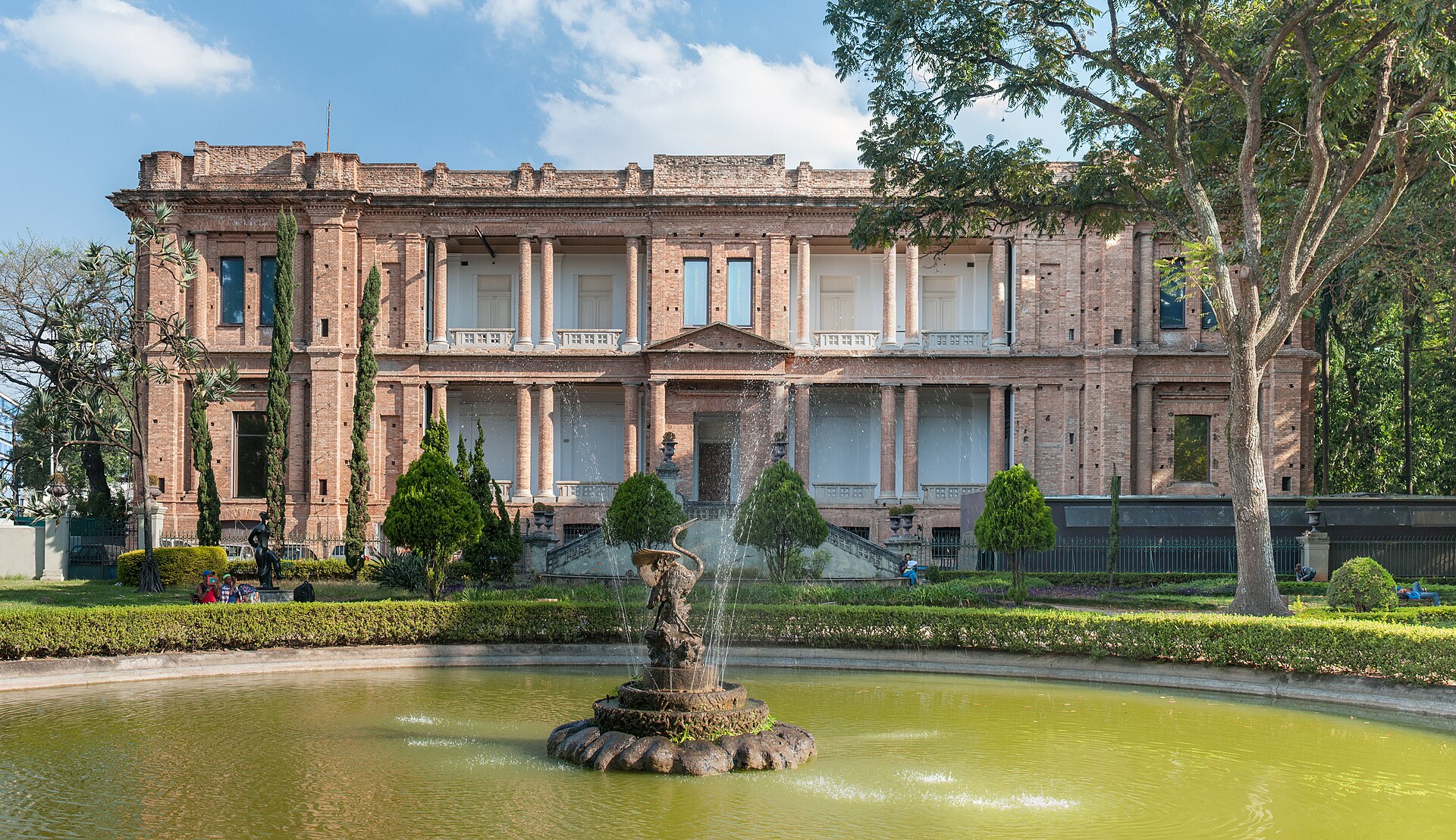
The Pinacoteca de São Paulo isn’t just a museum—it’s a place where art and history breathe together in the heart of Brazil’s largest city. Housed in a building that’s as much a part of the story as the works it contains, the Pinacoteca began its life in the early 20th century as part of an art school designed by architect Ramos de Azevedo. Its neoclassical lines, with high ceilings and vast windows, were originally meant for classrooms, but the space proved too compelling to remain just an academic setting. By 1905, it had opened its doors as São Paulo’s first permanent art museum, and over a century later, it remains one of the city’s most vital cultural landmarks.
The collection here spans more than a hundred years of Brazilian art, offering a journey through the country’s evolving identity. The 19th-century works of Almeida Júnior and Pedro Américo capture the spirit of an era—rural landscapes, bustling city scenes, and the quiet dignity of everyday life. But it’s the modernist movement of the 1920s that truly defines the museum’s character. Artists like Tarsila do Amaral and Anita Malfatti broke away from tradition, experimenting with form and color in ways that still feel bold today. Their paintings, once controversial, now stand as milestones in Brazil’s artistic history, challenging viewers to see the world differently.
Yet the Pinacoteca isn’t limited to paintings. Sculptures, prints, photographs, and contemporary installations fill its galleries, reflecting both the past and the present. The museum’s collection grows constantly, absorbing new voices and perspectives. Some pieces feel provocative, others deeply personal, but all of them share a common thread: the search for what it means to be Brazilian. Walking through the halls, you can sense the shifts in artistic thought—from academic precision to radical experimentation, from quiet introspection to loud, unapologetic expression.
The building itself is a work of art. Restored in the late 1990s, it retains its original grandeur while meeting modern museum standards. The galleries are spacious and well-lit, designed to let the art take center stage. A quiet courtyard with a fountain and sculptures offers a moment of calm, a stark contrast to the city’s relentless energy just beyond the walls. There’s even a small café where visitors can pause between exhibitions, gathering their thoughts or simply enjoying the atmosphere.
The Pinacoteca isn’t just a place to observe art—it’s a place to engage with it. Temporary exhibitions bring in works from around the world, often featuring pieces rarely seen outside major institutions like the Louvre or the Met. Lectures, workshops, and artist talks turn the museum into a living classroom, where ideas are exchanged and creativity is nurtured. The museum also collaborates with other cultural institutions, both in Brazil and abroad, ensuring that its offerings remain dynamic and relevant.
Education is at the heart of the Pinacoteca’s mission. The museum offers guided tours for all ages, from schoolchildren to adults, and goes out of its way to make art accessible to everyone. Special programs cater to visitors with disabilities, including tactile tours for the visually impaired and sign-language interpreters for the deaf. The goal is simple: to ensure that art isn’t just seen, but experienced, by as many people as possible.
Despite its scholarly reputation, the Pinacoteca never feels stuffy or intimidating. It’s a place where people come not just to admire art, but to think, to relax, or even to work. Some galleries have comfortable seating, inviting visitors to linger. The museum has become a part of daily life in São Paulo, a space where locals return again and again, whether for a specific exhibition or just to spend an afternoon in quiet reflection.
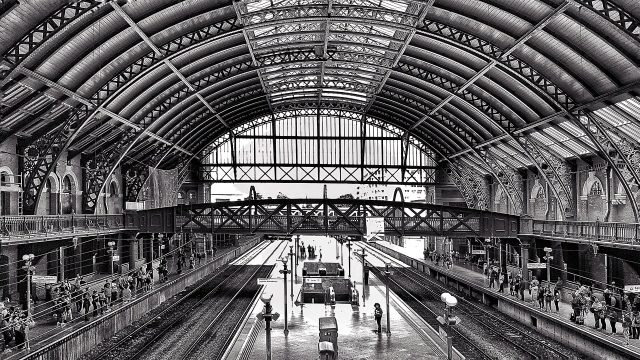
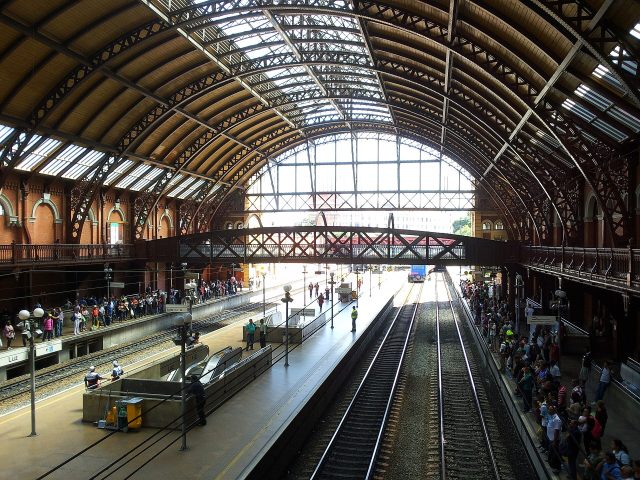
The Pinacoteca is also deeply connected to its neighborhood. Located in Luz, a district that was once the city’s industrial heart, the museum now sits at the center of a growing cultural hub. Nearby, you’ll find other museums, theaters, and concert halls, as well as the historic Luz Station, a gateway to the rest of Brazil. The area has a rhythm of its own, and the Pinacoteca is very much a part of it. It’s a place where you might stop by after work, meet friends for coffee, or simply wander the streets, watching the city evolve around you.
More than just a museum, the Pinacoteca de São Paulo is a bridge between past and present. It tells the story of Brazilian art—its struggles, its triumphs, and its endless capacity for reinvention. The collection is vast, but the real draw is the atmosphere: the way the light filters through the windows, the murmur of voices in the galleries, the sense of being part of something larger than yourself. That’s why people keep coming back—not just tourists, but locals who’ve made the Pinacoteca a part of their own stories.