Cape St Francis Nature Reserve sits where the Indian Ocean meets the edge of Africa, a place where the land feels untouched by time. The reserve stretches along a narrow strip of coastline, shaped by wind and water into a landscape of shifting dunes and salt-stunted vegetation. This isn’t a place for those seeking manicured parks or crowded viewpoints—it’s raw, quiet, and unapologetically wild. The air carries the scent of damp earth and brine, and the only sounds are the crash of waves and the occasional cry of a gull. It’s the kind of place that makes you slow down, where every step through the soft sand feels like a discovery.
The history of this stretch of coast is as layered as the dunes themselves. Long before European settlers arrived, the area was home to the Xhosa people, who lived off the land and sea, fishing in the shallows and hunting in the scrub. When Dutch and British colonists began to establish farms here in the 18th century, the landscape changed, but not entirely. The land remained too harsh for large-scale agriculture, and the fishing villages that sprang up were small, clinging to the shoreline. By the mid-20th century, it became clear that the unique ecosystems here needed protection. The reserve was established in the 1960s, not as a grand gesture, but as a practical way to preserve what was left of the natural coastline before development could erase it. Today, it stands as a reminder of how easily such places can disappear—and how deliberately they must be saved.
The terrain here is deceptively simple. There are no dramatic cliffs or towering forests, just endless dunes rolling inland from the shore, their shapes constantly reshaped by the wind. The sand is soft and deep, making even a short walk feel like an effort, but that’s part of the appeal. Between the dunes, shallow lakes and marshes form after rains, creating temporary havens for birds and small animals. The coastline is jagged, with rocky outcrops where waves explode into spray, and small coves where the water pools in still, clear patches. At low tide, the ocean retreats to reveal stretches of wet sand, dotted with shells and the occasional stranded jellyfish. It’s a landscape that feels alive, shifting and breathing with the tides.
The plants here have adapted to a life of extremes. The wind is relentless, the soil poor, and the air thick with salt, so only the hardiest species survive. Succulents store water in their thick leaves, while tough grasses bind the dunes together, preventing them from blowing away entirely. Among them grows the protea, South Africa’s national flower, its striking blooms a splash of color against the muted greens and browns of the scrub. These plants aren’t just survivors—they’re the foundation of the ecosystem, providing food and shelter for insects, birds, and small mammals. In spring, the reserve bursts into bloom, with wildflowers carpeting the dunes in patches of yellow, white, and purple.
Wildlife here is subtle, not the kind that draws crowds of safari-goers. The most visible residents are the Cape fur seals, which haul themselves onto the rocks to bask in the sun or dive into the surf in search of fish. Along the dunes, you might spot a rock hyrax—small, furry creatures that look like oversized guinea pigs but are actually distant relatives of elephants. Birds are everywhere: gulls wheeling overhead, cormorants drying their wings on the rocks, and the occasional African penguin, straying from nearby colonies. In the wetlands, herons stand motionless in the shallows, while ducks paddle through the reeds. The reserve isn’t teeming with animals, but that’s part of its charm—here, you notice the small things, like the tracks of a mongoose in the sand or the sudden flash of a lizard darting into the grass.
What makes Cape St Francis Nature Reserve special is its lack of pretense. There are no guided tours, no visitor centers with interactive displays, no gift shops selling trinkets. It’s just land, sea, and sky, and the quiet understanding that you’re a guest here. The trails are informal, winding through the dunes and along the shore, and the best way to explore is simply to wander. The sand makes walking slow, and the wind can be fierce, but that only adds to the sense of solitude. At sunrise or sunset, the light turns the dunes gold, and the ocean glows like molten metal. It’s the kind of place where you might sit on a rock for an hour, watching the waves, and leave feeling like you’ve seen something rare.
The weather here is as changeable as the landscape. Summers are warm but never stifling, cooled by ocean breezes, while winters are mild, with temperatures rarely dipping below ten degrees. Rain is infrequent but can arrive suddenly, turning the dunes into a slick, dark expanse. Fog rolls in without warning, swallowing the coastline in a soft white haze. These shifts in weather give the reserve an ever-changing mood—one day bright and clear, the next brooding and mysterious. Spring and autumn are particularly lovely, when the wildflowers bloom and the birds are most active. Even in winter, there’s a stark beauty to the place, with the wind howling across the dunes and the ocean churning gray and restless.
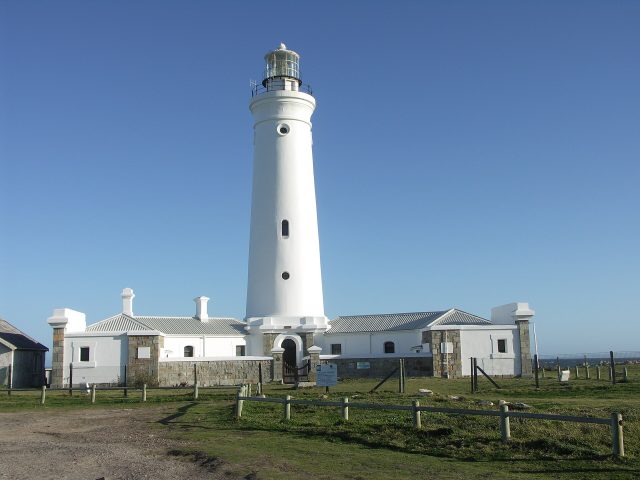
Beyond the reserve, the surrounding area offers glimpses into the region’s past and present. Nearby villages like St Francis Bay and Humansdorp are quiet places where fishing traditions still hold sway. Some families have lived here for generations, their lives tied to the rhythms of the sea. The lighthouse at Cape St Francis, standing since the late 19th century, is a reminder of the dangers this coast once posed to sailors. Further afield, the beaches attract surfers and those looking for a quiet escape, while the inland areas are dotted with small farms and vineyards. The reserve isn’t isolated—it’s part of a larger landscape, one that has been shaped by both nature and human hands.
Visiting Cape St Francis Nature Reserve isn’t about ticking off sights or collecting photos. It’s about stepping into a place that feels older than the country itself, where the land hasn’t been tamed or packaged for tourists. There are no grand lodges or guided jeep tours, just the simple pleasure of being in a landscape that hasn’t changed much in centuries. It’s the kind of place that lingers in your memory—not for its drama, but for its quiet intensity. If you’re looking for the real South Africa, the one that exists beyond the postcards and safari brochures, this is where you’ll find it.