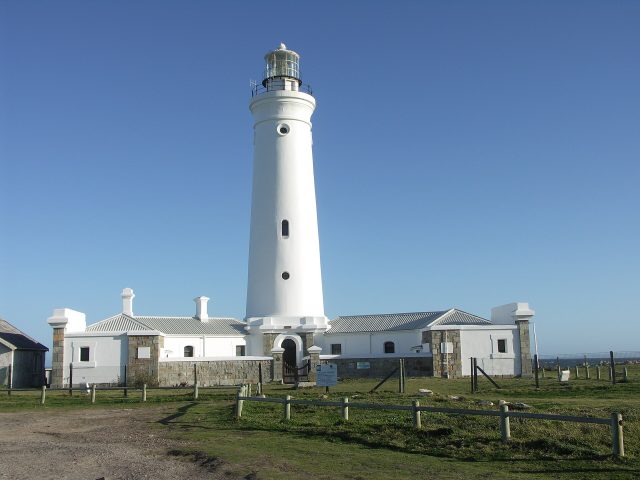
The ocean meets the land here without fanfare—a quiet stretch of coastline in South Africa’s Eastern Cape. The shore is lined with empty beaches, low dunes covered in coastal grass, and a few fishing boats at the dock. The wind carries the scent of salt and fynbos, the local shrubland thick along the settlement’s edges. This place isn’t for those seeking entertainment. It’s for standing at the water’s edge, listening to waves break against the rocks, the kind of quiet that lets you hear your own thoughts.
The harbour’s history is tied to the sea. For centuries, it was a stopping point for whalers and fishermen. In the mid-20th century, as whaling declined, it became a small fishing village. Daily life still follows the ebb and flow of the ocean. Old wooden jetties, weathered by salt and sun, stand with loose or missing planks. A few boats remain moored, used for fishing or short trips along the shore. Nearby buildings—wood and stone, low and functional—were built for practical needs: storing nets, repairing boats, sheltering those who worked the waters. Some are now simple guesthouses or cafes, but the original character remains.
The architecture is unassuming. Houses are modest, often single-story, with corrugated metal or clay-tiled roofs. Many resemble traditional fisherman’s cottages; a few have large windows to frame ocean views. Along the waterfront, old warehouses and workshops stand empty, their doors creaking in the wind. Once, they buzzed with activity—nets mended, boats readied for voyages. Today, a few house small businesses selling fresh fish or handmade crafts. The place feels lived-in, not polished for tourists.
Wildlife is always near. The harbour sits between the Indian Ocean and dense fynbos, a shrubland unique to this part of South Africa. The air smells of wild herbs and salt. Birds are everywhere: cormorants drying their wings on rocks, gulls wheeling overhead. Occasionally, a penguin waddles along the shore. Nearby islands host breeding colonies, their calls carrying across the water. Dolphins glide through the waves beyond the breakers. In winter, migrating whales pass close to the coast. Between June and November, humpbacks come near enough to see their spouts from the beach.
Mornings begin with fishermen heading out to sea. Their boats look small against the ocean’s vastness. By midday, they return with their catch, sold straight from the dock. Afternoons are quiet—laughter from locals in a garden, the steady crash of surf. On weekends, a few visitors arrive, preferring solitude over crowded resorts. There are no luxury hotels or beachfront restaurants, just guesthouses where you can stay and fall into the unhurried pace.
The beaches are long and nearly empty. The sand is pale, the water clear enough to see the seabed at low tide. You can walk far into the shallows, watching crabs scuttle between rocks or small fish dart in tide pools. When the tide comes in, waves crash louder. Locals say early morning is best—the light soft, the air cool. The beach changes then: sand glistens with dew, the ocean shifts from blue to silver, and footprints in the sand are likely yours.
Though remote, the harbour isn’t far from other places. A short drive away is St Francis Bay, known for canals and a yacht club. Further east lies Tsitsikamma National Park, with ancient forests and dramatic cliffs. But many who come here don’t venture far. There’s enough to do: walk the shoreline, browse small shops selling local crafts, or sit in a café watching the light change as the day fades.
The place doesn’t try to impress. It doesn’t need to. The appeal is in its simplicity—the way the ocean looks at different times of day, the wind carrying the scent of the land, the way people live in tune with nature. The buildings weren’t designed to be picturesque. They were built to withstand the elements and serve those who called this place home. That authenticity draws people in, especially those tired of noise and haste.
If you come here, don’t expect excitement. What you’ll find is stillness, days unfolding without urgency. Spend an afternoon watching boats come and go. Walk the beach until the only sound is waves. Talk to a fisherman or sit on the dock, listening to water lap against pilings. There’s no script for how to experience Cape St Francis Harbour. It’s a place where you can just be, without expectations, without a plan. Sometimes, that’s exactly what you need.