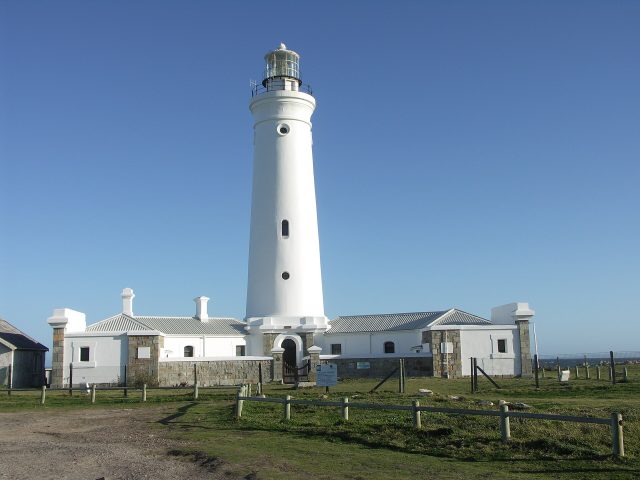
Cape St Francis Beach is where the Atlantic Ocean meets the land without fanfare. There’s no crowd of tourists, no beachfront bars blaring music, no vendors pushing trinkets. Just a long stretch of sand where waves roll in with quiet power, the wind carrying the scent of salt and seaweed. This isn’t a place for distractions—it’s for those who want space, silence, and the chance to be alone with the elements.
The ocean here is unpredictable. The waves are high, the currents strong—swimming isn’t the point. But for surfers, this is paradise. Locals say the best breaks in the region happen right here, especially in winter when the Atlantic churns with raw energy. There are no lifeguard towers, no changing rooms, no amenities at all. You come prepared: with a board, a flask of tea, and a healthy respect for the water.
The history of Cape St Francis is tied to the sea. In the early 1900s, fishing families settled here, living off what the ocean provided—mending nets, drying catches in the sun. The village grew from those humble beginnings, and even now, it carries the unhurried, practical spirit of old South Africa. The fishing industry has faded, though. What remains is a quiet retreat for those who prefer solitude over crowds.
The architecture reflects that simplicity. Houses are low-slung, with tiled roofs and soft colors—white, pale blue, sandy beige—that blend into the landscape rather than stand out. Along the shore, low dunes are covered in tough, wind-whipped grass, swaying like sea foam. A few old fisherman’s huts have been turned into guest cottages, but even they don’t disrupt the sense of understated harmony.
Beyond the sand, the coastline changes. Rocky headlands rise, covered in scrub, where seabirds nest. Walk north along the beach, and you’ll reach a small cove where the water is calmer. At low tide, the rocks form natural pools, perfect for families. Kids splash in the shallow water, while adults sit on the stones, watching the light dance on the surface. If you’re lucky, you might spot starfish, hermit crabs, or even a small octopus clinging to the rocks.
By evening, the beach empties. Only those staying for days or weeks remain. The sky shifts from fiery orange at sunset to deep blue as the first stars appear. Lights flicker on in the houses, and the village feels like it’s breathing in time with the ocean. It’s in these moments that you understand why people keep coming back—not for excitement, but for the quiet that’s so hard to find elsewhere.
Winter transforms the beach. The waves grow taller, the wind sharper, the sand darker with moisture. But there’s a different kind of beauty in the wildness. Surfers chase the adrenaline of the rough water, while others walk the shore, listening to the crash of the surf. Sometimes, whales pass by during migration season, their spouts visible from the beach. On those days, the quiet village comes alive with people gathering to watch these massive creatures glide through the water.
Cape St Francis isn’t a place for flashy experiences or Instagram-worthy moments. There are no luxury resorts, no Michelin-starred restaurants, no designer shops. What it offers instead is something rarer: the chance to feel like part of the landscape, not just a visitor passing through. You can spend a day wandering the beach, listening to gulls and the rhythm of the waves, or stay for a week, losing track of time. The key is not to expect more than it gives. Then, in its own quiet way, it reveals its depth.