The hill above Garmisch-Partenkirchen holds the remains of Werdenfels Castle. Moss and ivy cover the stones, and the ruins don’t shout for attention like the castles along the Rhine. They wait, half-hidden, as if saving their stories for those who climb the path.
Built in the 13th century, the castle was a stronghold for the bishops of Freising. From here, they controlled trade routes through the Alps. Now, only fragments remain—a tower, the outlines of walls, and damp cellars. These stones have stood for centuries without restoration.
The bishops chose the location for its views. From the hill, they could see the Loisach Valley and the peaks that once guarded against invaders. Werdenfels was more than a fortress; it was where disputes between local lords and the church were settled. It survived sieges but fell into ruin in the 17th century, its stones taken for other buildings. What’s left is protected as a monument, a direct link to medieval craftsmanship.
The castle’s design is simple. Thick walls of local stone were built to last, not to impress. Arrow slits and sturdy towers show its purpose: defense. There are no grand halls or treasures, just the practicality of a fortress meant to endure winters and attacks. The cellars hint at how supplies were stored, and the remnants of living quarters suggest the modest lives of its inhabitants. The tower is the best-preserved part. Its spiral staircase leads to a platform where the wind carries the scent of pine, and the view stretches over Garmisch and the jagged peaks beyond.
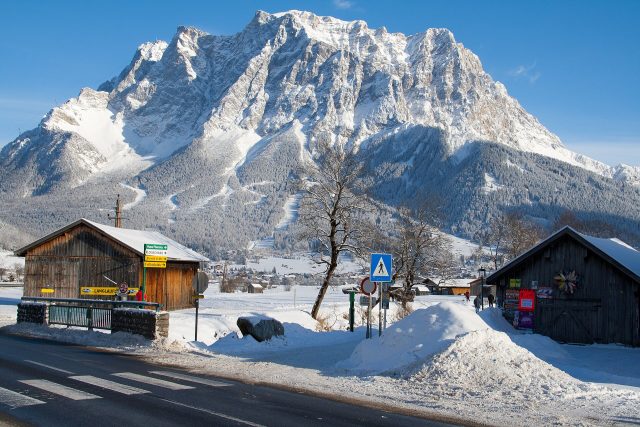
To reach the ruins, you walk through the forest for twenty minutes. There are no crowds, no tours—just the sound of leaves underfoot. The ruins are unfenced, so you can touch the stones and trace the outlines of walls. In summer, wildflowers bloom on the hillside, and the Zugspitze and Alpspitze glisten in the distance. Winter changes the scene: bare trees and frost make the ruins feel even quieter.
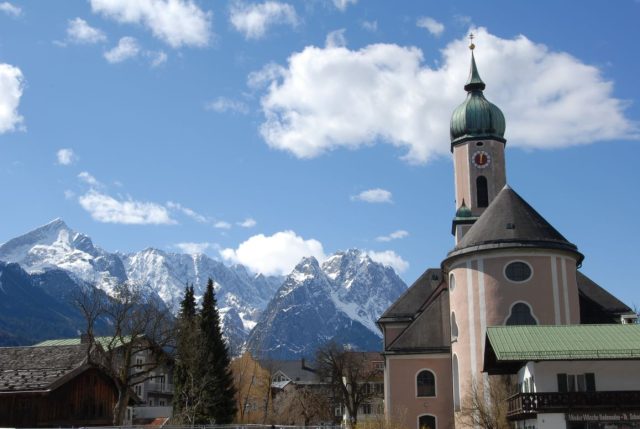
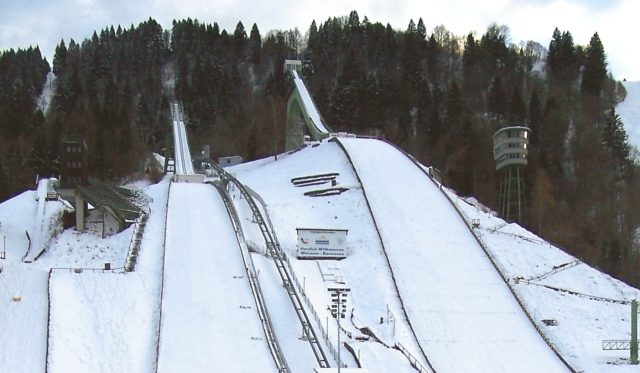
Werdenfels was once a symbol of the Freising bishops’ power. Its decline came as Bavarian dukes rose to influence. Today, Garmisch is a resort town known for skiing and festivals, but the castle remains a quiet contrast. Locals see it as part of the landscape, a reminder that this peaceful place was once shaped by conflict.
What makes Werdenfels special is its stillness. There are no exhibits or polished stories, just the raw presence of history. Without crowds or commercialization, it’s easy to imagine the castle as it was, its halls filled with voices from the past. Sit on one of the weathered benches with coffee, watch the light shift over the mountains, and feel the weight of centuries. In a world where history is often packaged for tourists, Werdenfels is different—unassuming, unadorned, and all the more powerful for it.