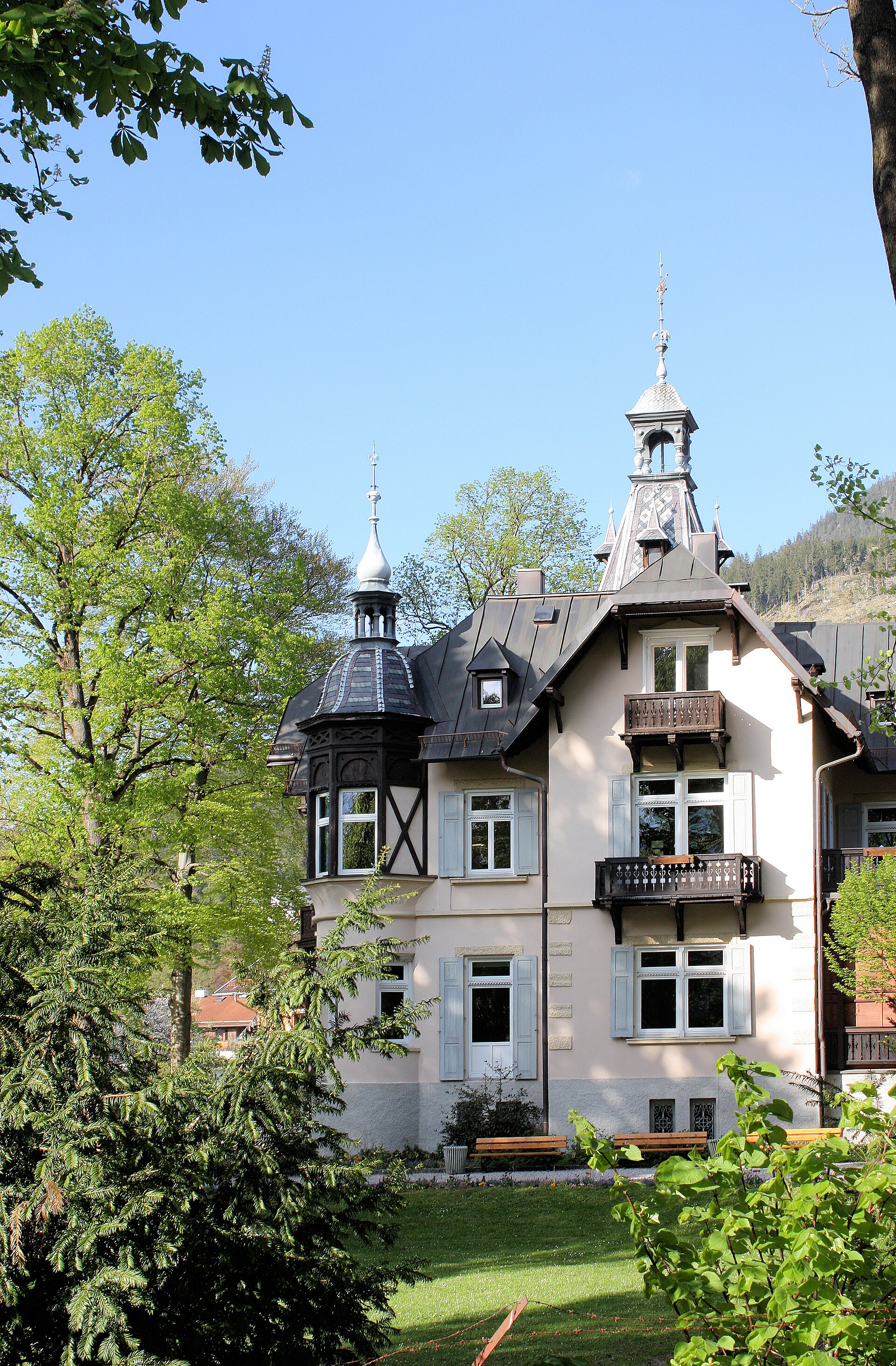
Richard Strauss spent the final years of his life in Garmisch-Partenkirchen, and the house where he lived and worked has been preserved almost exactly as it was during his time. Today, it serves as a quiet, intimate museum—not a grand institution, but a place where the composer’s presence still lingers. The rooms feel lived-in, as if Strauss might return at any moment. His piano stands in the corner, sheets of music lie open on the desk, and the furniture remains arranged just as it was when he sat here, writing some of his last works.
The house itself sits on the edge of town, in an area that was once far removed from the bustle of the resort life that would later define Garmisch-Partenkirchen. When Strauss moved here in 1908, the village was little more than a quiet alpine settlement, a retreat for those seeking solitude. He chose it deliberately, drawn to the stillness and the way the mountains framed the horizon. It was here that he composed *Der Rosenkavalier* and *Ariadne auf Naxos*, among other pieces, and where he received visits from fellow artists like Gustav Mahler, Thomas Mann, and Arturo Toscanini. The walls seem to hold the echoes of those conversations, the clink of glasses, the murmur of ideas exchanged late into the evening.
What makes this museum different from others is its refusal to over-explain. There are no flashy displays or exhaustive timelines—just the composer’s personal belongings, arranged with care. A photograph of Strauss and his wife, Pauline, hangs on the wall, her letters nearby, filled with the ordinary details of their life together. His study is particularly moving: the desk where he worked, the inkwell still stained, the sofa where he rested, and the window that looks out onto the same mountains he once gazed at while composing. These small things reveal more about the man than any plaque ever could.
For musicians, the collection of handwritten scores is a rare glimpse into Strauss’s creative process. The manuscripts on display show his revisions, the crossed-out notes, the hurried scribbles in the margins. Some pages bear the marks of his impatience—ink blots, smudges, the occasional tear where a page was ripped from the notebook in frustration. It’s a reminder that even genius is built on trial and error, on moments of doubt and second-guessing. To see these original documents is to understand that great music doesn’t emerge fully formed, but is shaped slowly, painstakingly, over time.
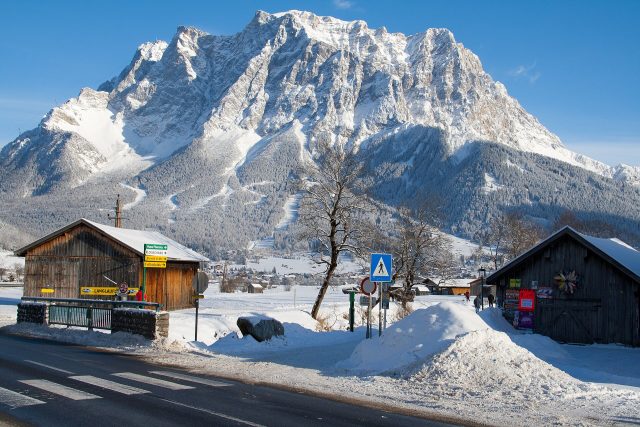
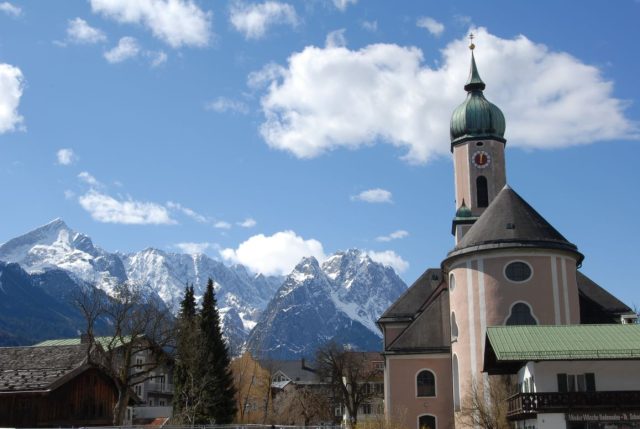
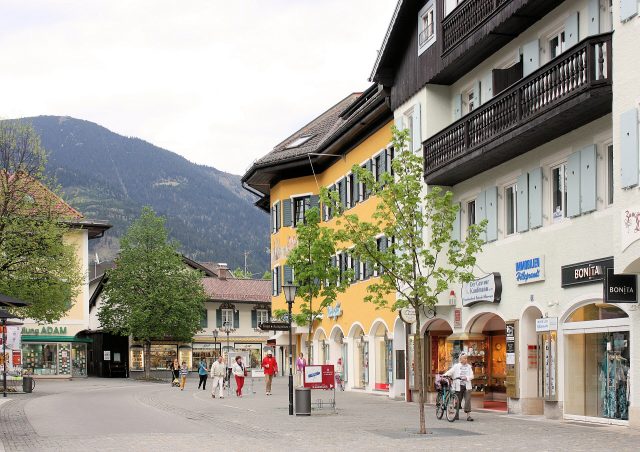
Garmisch-Partenkirchen itself plays a role in the story. Nestled at the foot of the Zugspitze, Germany’s highest peak, the town was once a haven for artists and writers who came seeking inspiration. In Strauss’s day, it was a place of quiet beauty, far from the noise of cities. The air was crisper, the light softer, and the pace of life slower—all of which seeped into his later works. Even now, walking through the older parts of town, you can sense the atmosphere that once drew him here. The streets are lined with buildings from the early 1900s, their facades weathered but still elegant, as if holding onto the past.
Visiting the museum isn’t just about learning facts; it’s about stepping into a different time. The house is only open by appointment, and tours are kept small to preserve its intimate feel. There are no crowds, no rushed explanations—just the chance to sit quietly in Strauss’s study or stand by the window where he once stood. It’s easy to imagine him here, lost in thought, the scratch of his pen the only sound in the room. The experience is less about admiring a famous composer and more about understanding how a place can shape a person’s work, how the quiet rhythms of daily life can find their way into art.
If you come to Garmisch-Partenkirchen, there are other traces of Strauss to discover. His grave lies in the local cemetery, a simple marker without fanfare, just as he likely would have wanted. Nearby, the streets of the old town still feel much as they did in his time, with their low-slung houses and flower-lined lanes. It’s not hard to picture him walking these same paths, stopping to chat with a neighbor or pausing to admire the view. The town has changed, of course—tourists now fill the cafés, and the ski slopes draw crowds in winter—but the essence of what drew Strauss here remains.
What makes this museum special is its lack of pretension. There are no grand claims, no attempts to mythologize Strauss. Instead, it offers something far more valuable: a sense of connection. The house doesn’t just display his belongings; it preserves the atmosphere of his life, the small, human details that made him who he was. It’s a reminder that great art isn’t created in isolation, but in the midst of ordinary moments—over a cup of coffee, during a walk in the mountains, or while sitting at a desk, listening to the silence. And perhaps that’s why this place feels so alive, even decades after his death. It doesn’t just tell his story; it lets you feel it.