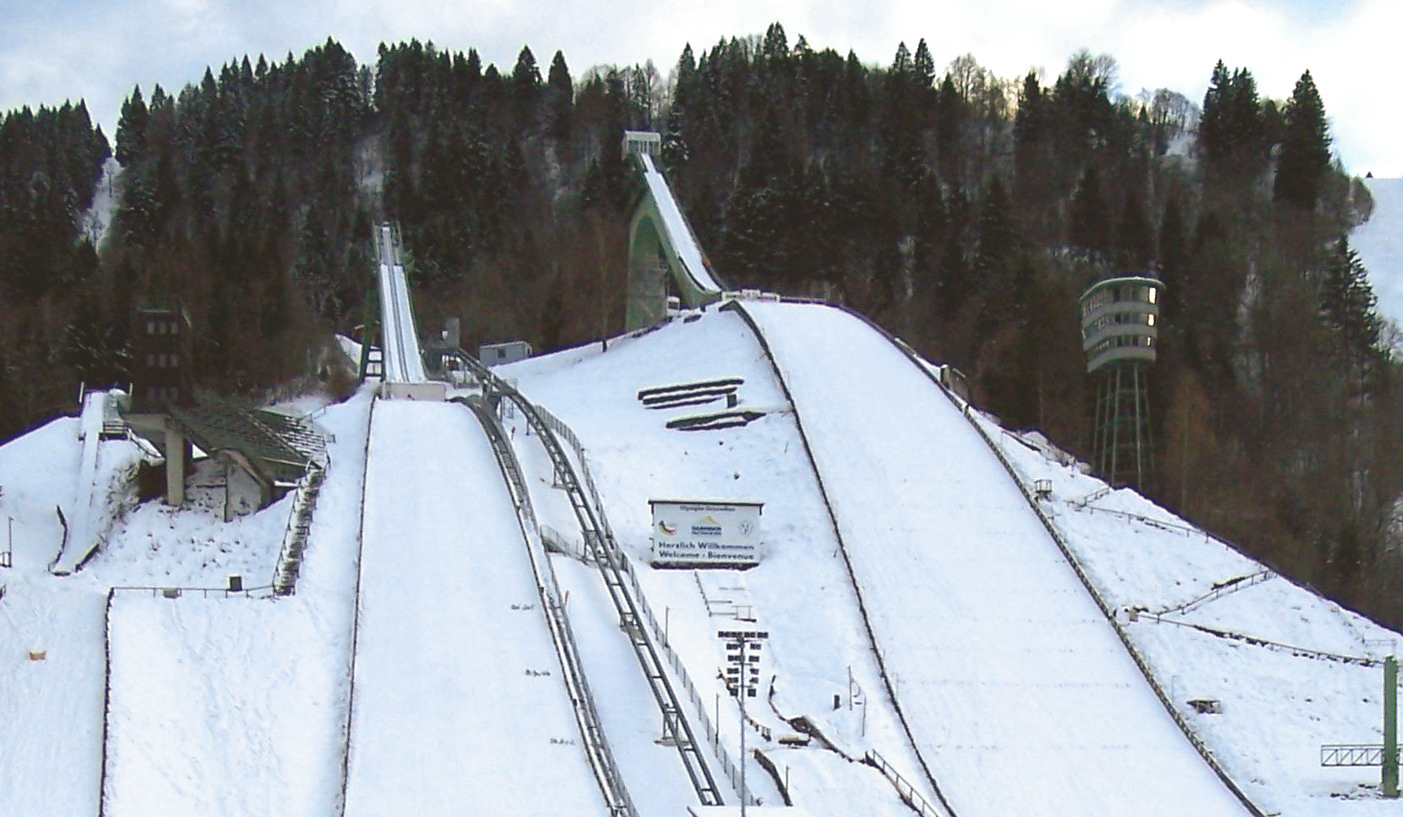
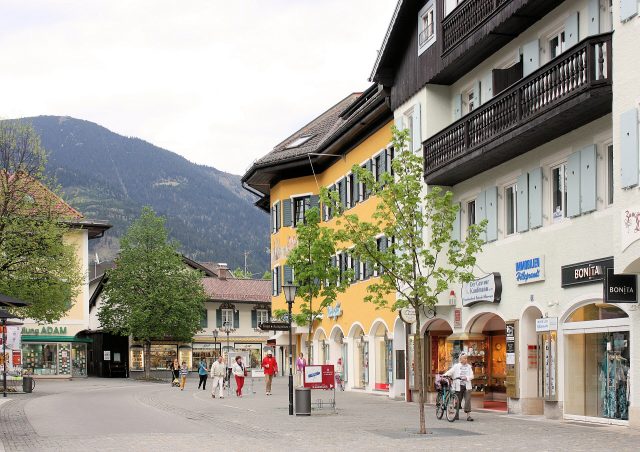
Garmisch-Partenkirchen is a town that feels like it was made for those who love mountains and winter sports. Nestled in the Bavarian Alps, it’s home to one of Germany’s most recognizable landmarks—the Olympic Ski Jump. This isn’t just a sports venue; it’s a piece of history, an architectural marvel, and a place where every year, drama unfolds on snow and ice.
The jump was built for the 1936 Winter Olympics, a time when it represented a breakthrough in engineering. At nearly 140 meters high, it was the largest in the world at the time. Designed with the future in mind, its core structure has remained largely unchanged, even as modern upgrades have kept it relevant. Standing at the base of Kreuzeck mountain, the sheer scale of it is still striking, especially when you look up from the bottom.
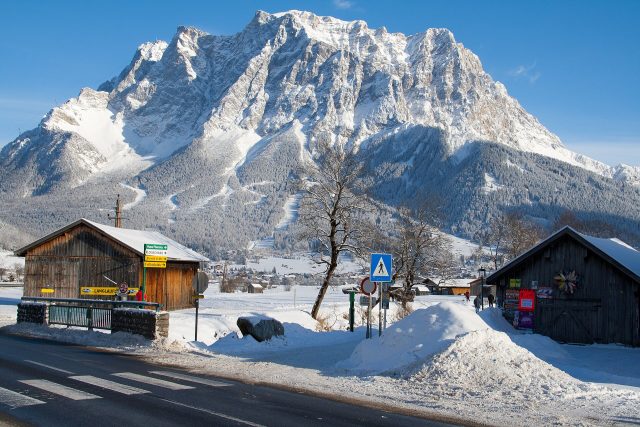
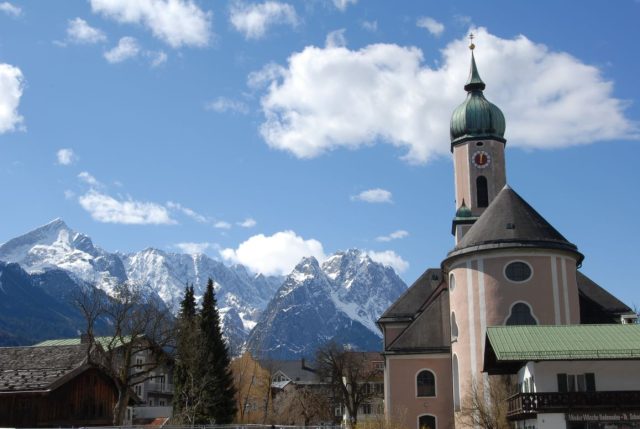
The location was no accident. Garmisch-Partenkirchen has long been a hub for winter sports, and Kreuzeck’s slopes are perfect for ski jumping. The mountain offers reliable weather, good snow cover, and, just as importantly, breathtaking views. On clear days, the top of the jump reveals a panorama of the Zugspitze, Alpspitze, and the Loisach River valley below.
The jump’s design balances function and form. Made of steel and concrete, it avoids feeling heavy or imposing. Instead, its smooth lines and lightness make it seem almost weightless against the mountains. At night, when the lights come on, it transforms into a glowing silhouette hovering over the town. Below, near the starting platform, stands a small museum dedicated to the history of ski jumping, along with seating for thousands of spectators.
Today, the Olympic Ski Jump is more than just a competition site—it’s a tourist attraction. In summer, visitors come to see the legendary structure up close, while in winter, fans gather for World Cup events. Guided tours take you to the top platform, where you can peek into the athletes’ preparation areas. The view from up there is unforgettable: the town below looks like a miniature model, and the mountains stretch endlessly into the distance.
Competitions here are always a spectacle. Beyond the Olympics, the jump has hosted World Championships and other major events. The atmosphere during a jump is electric—crowds hold their breath as athletes speed down the ramp and launch into the air. Even those who aren’t sports fans can’t help but be captivated. Nighttime events are especially magical, with floodlights illuminating each jump and snow glistening under the artificial glow.
The jump is also woven into the fabric of the town. It’s a familiar part of the landscape, a symbol of Garmisch-Partenkirchen. Locals come here to walk, take in the views, or ski on nearby slopes. In winter, a small lift carries skiers to the start of the runs, while in summer, the slopes become popular for hiking and mountain biking.
Its history is tied to the evolution of winter sports in Germany. After the 1936 Olympics, it became a pilgrimage site for athletes and fans across Europe. Legends trained here, and records set on this jump stood for years. Over time, the structure was reinforced, lighting improved, and seating updated, but the spirit of the place remains—one of competition, excitement, and a deep connection to the mountains.
For visitors, the Olympic Ski Jump is more than just a landmark. It’s a chance to step into the history of sport and experience the atmosphere of a true alpine resort. Everything here feels steeped in tradition, from the architecture of the jump to the cozy cafés at the mountain’s base, where you can warm up with glühwein or a Bavarian beer. And if the weather cooperates, the view from the top—a sweeping panorama of snow-capped peaks, green valleys, and the little town below—will stay with you long after you leave.