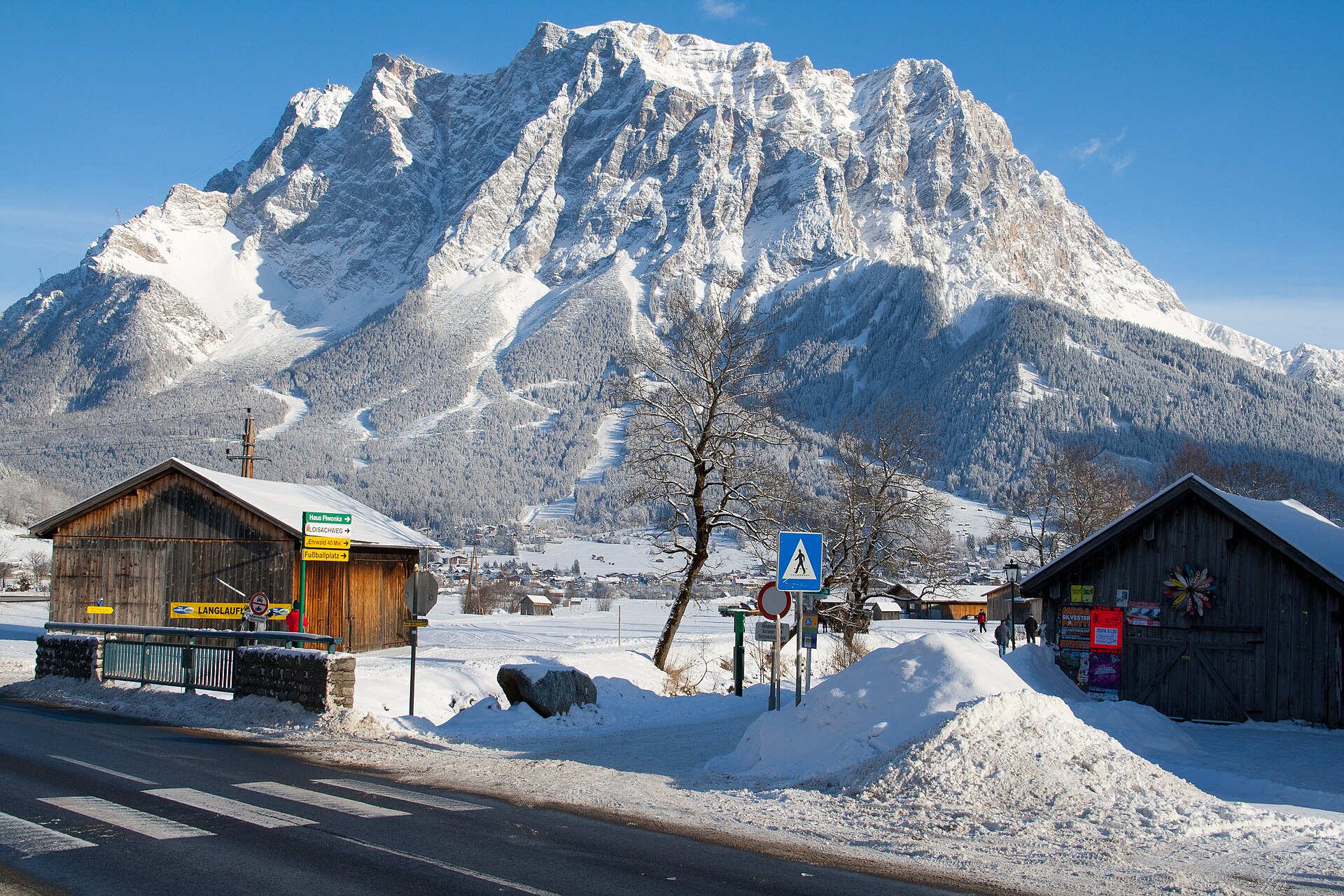
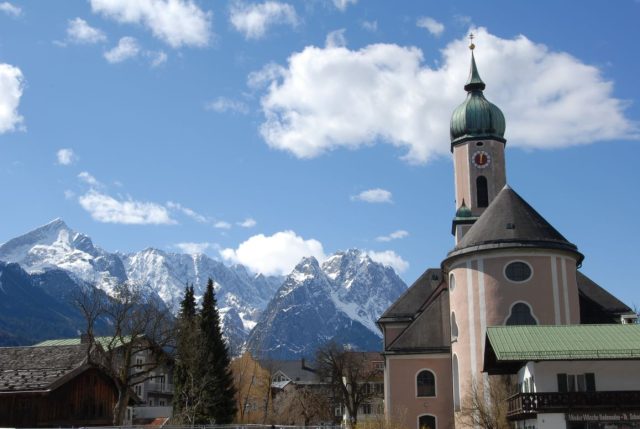
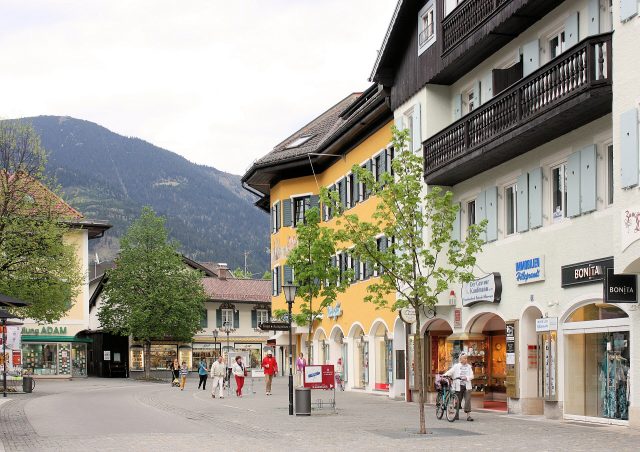
Zugspitze isn’t just a mountain—it’s the highest point in Germany, a towering landmark that defines the Bavarian landscape. Rising nearly three thousand meters above the valley of Garmisch-Partenkirchen, it stands like a silent guardian over the foothills of the Alps, its slopes stretching across the border into Austria. The air here is thin, the views so vast and clear they feel almost unreal, as if the world has been distilled into something purer. In winter, the mountain becomes a playground of snow and ice, drawing skiers and snowboarders from across Europe. In summer, it transforms into a quiet retreat, where wildflowers carpet the meadows and the only sounds are the wind through the rocks and the distant chime of cowbells from grazing herds.
The history of Zugspitze is tied to the rise of alpine exploration. The first recorded ascent took place in the mid-19th century, when local guides led a group of adventurers up treacherous, unmarked paths—a feat that required skill, endurance, and no small amount of courage. Back then, climbing the mountain was a true test of human limits, with none of the modern comforts we take for granted today. Now, visitors can reach the summit by cable car or cogwheel train, both built in the early 20th century. These engineering marvels cling to the mountainside, winding their way up steep inclines with an almost effortless grace. They’ve become as much a part of Zugspitze’s identity as the peak itself, a testament to how humans have learned to navigate this rugged terrain without erasing its wild character.
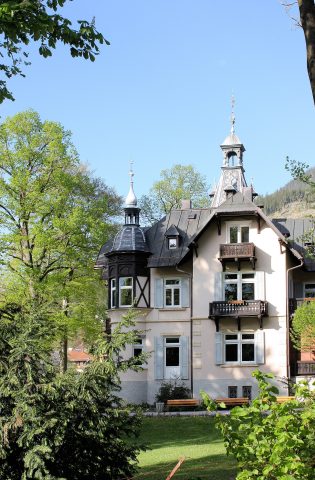
The buildings on Zugspitze tell their own story of adaptation. At the summit, the weather observatory, constructed in the 1930s, stands as a fortress against the elements. Its thick walls and rounded windows were designed to withstand the harshest conditions, from howling winds to blinding snowstorms. Nearby, a small chapel—one of the highest in Germany—offers a quiet space for reflection, its simple wooden interior a stark contrast to the vastness outside. Down at the cable car station, a panoramic restaurant serves hearty Bavarian dishes, where visitors can sip glühwein or beer while gazing out at the endless expanse of peaks and valleys. The architecture here doesn’t compete with the landscape; it complements it, blending into the mountain rather than overpowering it.
Zugspitze holds a special place in the region, far beyond its role as a tourist destination. It’s a hub for scientific research, home to meteorological stations and laboratories that study climate patterns, glacial retreat, and atmospheric conditions. The glacier on its northern slope, one of the last in Germany, is slowly disappearing, a visible reminder of how even remote places are shaped by global changes. For locals, the mountain is more than a landmark—it’s a symbol of resilience, a natural monument that has watched over the valley for generations. It’s also a source of pride, a place where Bavarian culture and alpine tradition intersect.
The mood on Zugspitze shifts with the seasons and the time of day. Early mornings are hushed, the summit bathed in soft light as the first rays of sun break through the clouds. The air is still, the only sounds the occasional cry of a bird or the crunch of snow underfoot. By midday, the mountain comes alive with voices—laughter, the scrape of skis, the murmur of different languages as visitors from around the world take in the view. As evening approaches, the sky ignites in shades of pink and gold, casting long shadows across the snow or the rocky slopes. It’s in these moments that the mountain feels most alive, as if time itself has slowed to match the rhythm of the landscape.
For first-time visitors, Zugspitze can feel like a place of contradictions. On one hand, there’s the modern infrastructure: smooth cable cars, cozy cafés, and well-marked trails that make the mountain accessible to nearly everyone. On the other, there’s the raw, untamed nature—steep cliffs, unpredictable weather, and a sense that you’re standing on the edge of something much larger than yourself. You can spend a day here skiing or hiking, or linger longer in one of the hotels at the base, where the sound of cowbells drifts through the valleys at dawn. Many people return year after year, not just for the scenery, but for the way Zugspitze makes them feel—small in the best possible sense, humbled by the vastness of the world.
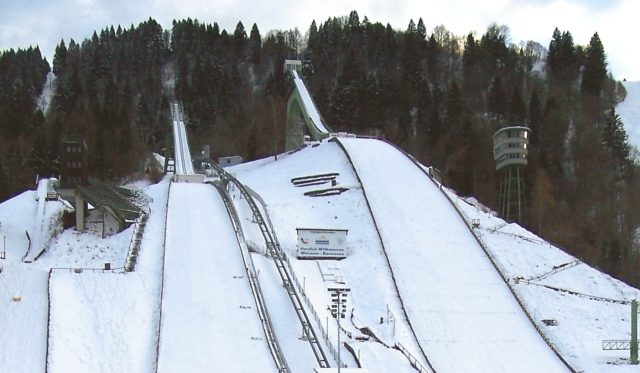
Winter turns the mountain into a different kind of wonder. Snow blankets everything—the slopes, the rooftops, even the rocks—creating a seamless white landscape that glows under the pale winter sun. The ski runs cater to all levels, from gentle beginner slopes to challenging black diamonds, while the snow park draws freestyle enthusiasts eager to test their skills. But you don’t have to be an athlete to enjoy it. A simple walk along the snowy trails or a ride on a sled can feel just as magical. Summer brings its own kind of beauty. The alpine meadows burst into color, dotted with wildflowers and buzzing with insects. Hiking paths lead to hidden lakes, waterfalls, and viewpoints where the horizon stretches endlessly, a patchwork of green valleys and jagged peaks.
Standing at the summit, it’s hard not to think about all the people who have come here over the past century and a half. Some were drawn by the thrill of the climb, others by the promise of solitude or inspiration. Zugspitze has a way of making you feel connected to something bigger—a landscape shaped over millions of years, a glacier that has witnessed countless seasons, a mountain that has seen the rise and fall of human ambitions. It’s a place where science, history, and nature collide, where every visitor finds their own reason to return. For athletes, it’s the perfect slope. For dreamers, it’s the perfect sunset. For scientists, it’s a living laboratory.
No matter how long you stay—whether it’s a single day or a week—Zugspitze leaves an impression. Maybe it’s because it’s one of those rare places where you feel both insignificant and extraordinary at the same time. Insignificant in the face of nature’s power, its vastness and unpredictability. Extraordinary because you made it here, because you stood at the top of Germany and saw the world from a different perspective. It’s the kind of place that stays with you long after you’ve left, a quiet reminder of how small we are—and how lucky we are to witness such beauty.