Perched on a hill overlooking the quiet town of Yaiza, Castillo de San José feels like a fragment of medieval Spain preserved in time. Its sturdy stone walls and imposing silhouette rise above the volcanic landscape, a silent witness to centuries of history. Built in the 15th century, the fortress was more than just a military stronghold—it was a statement of power, a refuge, and a symbol of the island’s strategic importance during Spain’s early expansion into the Canary Islands.
The architecture of the castle reflects the practical needs of its time. Thick walls, narrow arrow slits, and robust towers were designed to withstand sieges and raids, while the interior once housed living quarters, a chapel, and even underground passages for surprise attacks or escape. Though much of the original detail has faded, the structure itself tells a story of resilience. Climbing one of the towers offers a view that hasn’t changed in hundreds of years—rolling black lava fields, distant volcanic cones, and the quiet town below, all bathed in the soft light of the Atlantic.
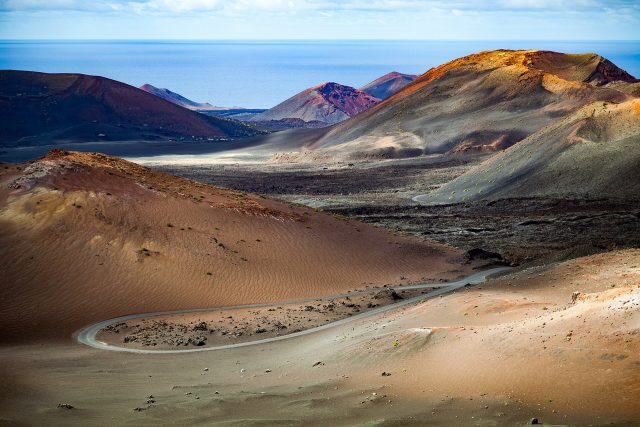
Yaiza itself is a place where nature and human history intertwine in unexpected ways. The town sits in the heart of Lanzarote’s volcanic region, where the earth’s raw power is still visible in the jagged lava flows and craters that dot the landscape. Castillo de San José blends seamlessly into this dramatic scenery, as if it grew from the same ancient forces that shaped the island. The contrast between the fortress’s man-made strength and the untamed terrain around it creates a sense of harmony, as though the castle has always belonged here.
The history of the fortress is closely tied to the early days of Spanish settlement in the Canary Islands. When the Crown of Castile began colonizing the archipelago in the 15th century, Lanzarote was one of the first islands to be claimed. Castillo de San José served as a key defensive outpost, protecting the fledgling settlements from pirate raids and rival powers. Over time, as the threat of attack diminished, the castle’s military role faded, and it gradually fell into disrepair. It wasn’t until the 20th century that efforts were made to restore parts of the structure, ensuring it would remain standing for future generations.
Today, the castle is open to visitors, though it doesn’t have the polished exhibits of a major museum. What it lacks in artifacts, it makes up for in atmosphere. The quiet courtyards and weathered stones invite you to imagine the lives of those who once walked these grounds—soldiers keeping watch, nobles discussing strategy, or families seeking shelter. Occasionally, the fortress comes alive with cultural events, from concerts to historical reenactments, breathing temporary life into its ancient walls.
For those drawn to history or architecture, Castillo de San José offers a glimpse into a lesser-known chapter of Spain’s past. Unlike the more famous fortresses on the mainland, this one remains relatively untouched by mass tourism. There are no crowds, no guided tours rushing you along—just the wind, the sound of your own footsteps, and the weight of centuries pressing against the stone. It’s a place where you can step back in time without the distractions of modern tourism.
Beyond the castle, Yaiza and its surroundings reveal how people have adapted to Lanzarote’s harsh yet beautiful environment. The island’s volcanic soil, though unforgiving, has been cultivated for centuries, producing unique wines that are still made using traditional methods. Nearby vineyards, with their low stone walls and hardy vines, are a testament to human ingenuity in the face of nature’s challenges. A visit to the castle can easily be paired with a stop at one of these wineries, where the same landscape that once shaped the fortress now shapes the island’s culture.
Castillo de San José is more than just a relic—it’s a reminder of the struggles and triumphs that defined Lanzarote’s early history. It stands as proof of how people carved out a life in this rugged land, turning a volcanic island into a home. Today, it offers visitors a chance to connect with that past, to see the island not just as a destination, but as a place with a story worth uncovering. Whether you come for the history, the views, or simply the quiet, the castle leaves an impression that lingers long after you’ve descended the hill.