Yaiza is one of those rare places in the Canary Islands where visitors come not for beaches or nightlife, but for something far more enduring. Its historic center feels suspended in time, a quiet testament to the colonial era when Lanzarote served as a crucial stopover on the route to the New World. The narrow streets, paved with dark volcanic stone, wind past whitewashed houses adorned with wooden balconies and intricately carved doors. Each detail seems to whisper stories of the past. There’s no hustle here, no tourist crowds—just the unhurried rhythm of island life, where time moves at its own pace.
The architecture of Yaiza is a blend of Spanish tradition and local adaptation, shaped by the island’s climate and available materials. Homes were built from black basalt, quarried directly from Lanzarote’s volcanic landscape, while their whitewashed walls helped deflect the intense sun. Many of these buildings date back to the 16th–18th centuries, a period when the town thrived on wine trade and the cultivation of barilla, a plant used to produce alkali for soapmaking. Among the most notable structures is the Church of Nuestra Señora de los Remedios, built in the 17th century on the site of an older chapel. Its facade is unassuming, but inside, visitors can find a richly carved altarpiece and paintings brought from the Americas, remnants of the town’s prosperous past.
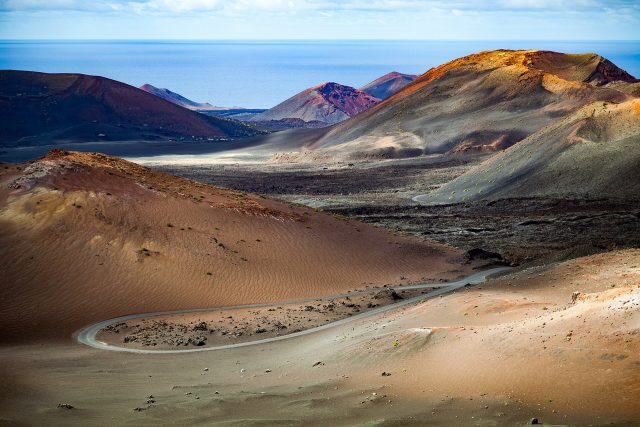
Yaiza wasn’t always the quiet backwater it appears today. In the 16th century, it served as Lanzarote’s first capital, a place where decisions shaping the entire archipelago were made. The town was once encircled by defensive walls, fragments of which can still be glimpsed in hidden courtyards. This was also where the island’s first public buildings—town halls, warehouses, and prisons—were constructed to support the bustling trade with Europe and the colonies. But after the devastating eruption of Timanfaya in the 18th century, many residents fled, and Yaiza gradually lost its prominence to Arrecife. Ironically, this decline helped preserve its historic character, shielding it from the changes that transformed other parts of the island.
Today, Yaiza’s center is far from a static open-air museum. It remains a living, breathing place where locals gather in the square before the church to chat under the shade of ancient ficus trees. Small cafés occupy the ground floors of old houses, serving coffee alongside traditional sweets, while tiny shops sell handmade ceramics and malvasia wine, the same variety that once brought the island fame. In summer, the town comes alive with festivals like the Fiesta de Santa Bárbara, when music, dance, and vibrant costumes fill the streets. Yet even on ordinary days, Yaiza retains a distinct atmosphere—quiet, almost melancholic, as if time itself moves more slowly here.
A walk through Yaiza’s historic center is more than just an architectural tour; it’s a glimpse into the island’s soul. Many traditions that have faded elsewhere on Lanzarote still endure here. Pottery is still crafted using centuries-old techniques, and in some homes, you might spot old grape presses, a reminder of the town’s winemaking heritage. Locals take pride in their history, and if you’re lucky, they’ll share tales of pirates who once raided the coast or merchants who grew wealthy trading with the Americas. These stories aren’t just relics of the past—they’re part of the town’s identity, passed down through generations.
Yaiza also holds a special connection to César Manrique, the renowned artist and architect who was born on Lanzarote. Though he’s best known for his work in other parts of the island, his childhood was spent here, and the town’s influence is evident in his art. Manrique was a fierce advocate for preserving Lanzarote’s natural and cultural heritage, and it’s likely thanks to his efforts that Yaiza avoided the mass development that altered other areas. Today, a small center in the town honors his life and work, displaying photographs, sketches, and personal items that offer insight into his creative vision.
This isn’t a place to rush through in a day. To truly understand Yaiza, you need to linger—wander its streets without a map, peek into sunlit courtyards where bougainvillea spills over walls, and sit in a café watching the world go by. There are no flashy attractions here, nothing to tick off a checklist. Instead, there’s something harder to define: a sense of authenticity, the feeling of stepping into a world that has remained largely unchanged. It’s why Yaiza draws those who’ve grown weary of conventional tourist trails and are searching for something real.
In an age where so many destinations feel polished for visitors, Yaiza offers a different kind of experience. It doesn’t try to impress; it simply exists, as it has for centuries. The town’s charm lies in its quiet resilience, in the way it has preserved its past without becoming a relic. For those willing to slow down and look beyond the obvious, Yaiza reveals itself as one of Lanzarote’s most compelling places—a window into the island’s history, culture, and the unhurried beauty of life as it once was.