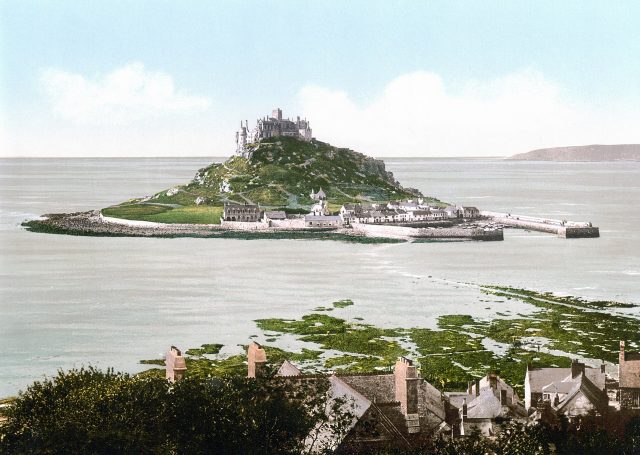
Perched on a rocky headland above the River Towy, Marazion Castle feels like a place time forgot. Its weathered stones, draped in ivy and moss, carry the weight of centuries, whispering stories of a turbulent past when Wales was a battleground between local rulers and English kings. Unlike polished tourist attractions, this castle doesn’t perform for visitors—it simply endures, offering a quiet, unfiltered glimpse into history.
The origins of Marazion Castle trace back to the late 11th century, when William the Conqueror ordered the construction of wooden fortifications to assert control over newly subdued lands. Those early structures were little more than watchposts, but by the 13th century, the castle had been transformed into a formidable stone stronghold. English monarchs, determined to consolidate their power in Wales, reinforced it with round towers and battlements, turning it into a symbol of authority in a restless region.
Everything about the castle’s design speaks of its military purpose. Thick walls, narrow arrow slits, and circular towers were built to withstand sieges and repel invaders. Inside, the remnants of living quarters, a chapel, and even underground passages hint at the daily life of its inhabitants—passages that once allowed for surprise attacks or hasty escapes. The Great Hall, now an empty shell, still echoes with the imagined clatter of feasts and the murmur of medieval councils.
The castle’s history is written in conflict. In the 13th century, it withstood a siege by Welsh rebels led by Llywelyn the Great, a testament to its strategic importance. Later, during the Wars of the Roses, it changed hands multiple times, passing between Lancastrian and Yorkist forces. The stones here bear silent witness to the clamor of battle and the voices of those who fought to hold—or reclaim—this stronghold.
Today, visitors can explore the castle’s inner courtyard, where the past feels almost tangible. It’s easy to picture knights preparing for tournaments, servants bustling in the kitchens, or guards keeping watch from the towers. The ruins are at their most atmospheric at sunset, when golden light bathes the stones and long shadows stretch across the grass, softening the harsh edges of history.
Beyond the castle walls, the landscape tells its own story. Rolling hills and the winding River Towy frame the scene, their beauty belying the region’s turbulent past. Local legends add a layer of mystery—tales of outlaws hiding in the hills and ghostly knights said to wander the ruins at night. Whether you believe in such stories or not, they lend the place an undeniable allure.
From the castle’s vantage point, the view stretches across the valley, where patchworks of green fields and wooded hills fade into the distance. On clear days, the distant mountains rise like a natural barrier, once marking the boundaries of Welsh principalities. It’s a landscape that has changed little over the centuries, offering a rare sense of continuity.
Marazion Castle has become more than just a landmark; it’s a symbol of the region’s resilience and identity. Its image appears on postcards, county crests, and travel guides, a quiet reminder of Wales’ enduring spirit. The castle also serves as a backdrop for medieval festivals, where visitors can don armor, sample period dishes, and watch craftsmen at work. For many, it’s not just a ruin but a bridge between past and present.
What makes Marazion Castle special is its authenticity. There are no grand restorations here, no attempts to sanitize history for modern tastes. The stones are worn, the halls are empty, and the wind howls through the battlements just as it has for centuries. It doesn’t try to impress—it simply exists, waiting for those who are willing to listen to its stories. If you’re looking for a place where history feels alive, not staged, this is it.