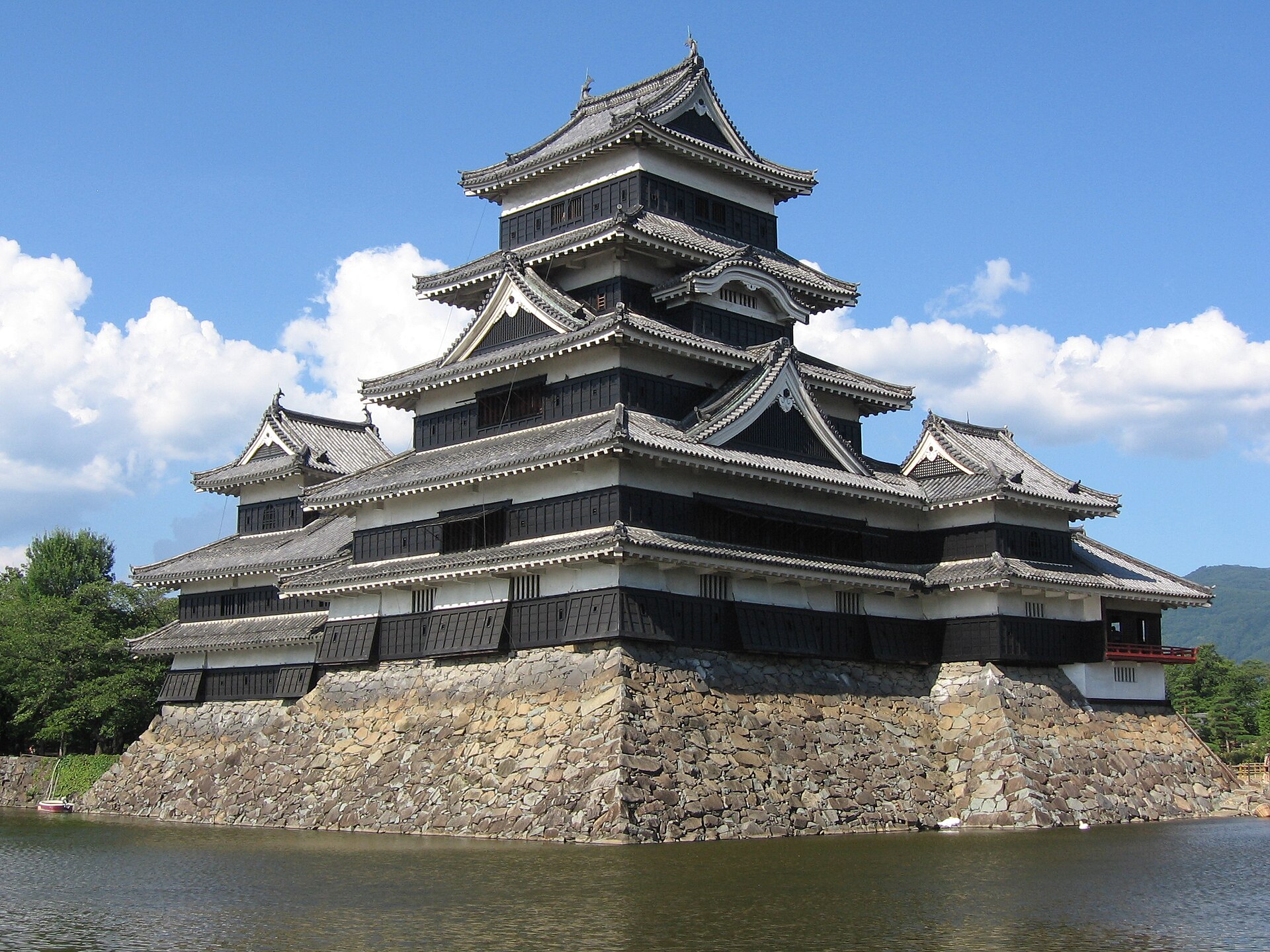
Matsumoto Castle isn’t just another postcard-perfect landmark in Japan—though its striking black-and-white silhouette does make it one of the most recognizable. Unlike many of the country’s hilltop fortresses, this one stands on flat ground, almost as if inviting visitors to step closer. The locals call it *Karasu-jō*, the Crow Castle, a name that fits its dark walls and the way its towers spread like wings in flight. But what truly sets it apart isn’t just its appearance; it’s the sense of history that lingers here, untouched by time.
The castle’s origins trace back to the late 1500s, a time when Japan was fractured by war. The first fortifications on this site appeared in 1504, but the structure we see today took shape later, during the Sengoku period, when the Ishikawa clan sought to strengthen their hold over the region. Back then, castles weren’t palaces—they were military strongholds, built for defense. Matsumoto was no exception. Its walls were designed to withstand sieges: narrow windows, hidden arrow slits, and a labyrinth of passages between towers. The main keep, or *tenshu*, wasn’t completed until 1594, after Toyotomi Hideyoshi had begun unifying Japan. By then, the castle had evolved from a mere fortress into a symbol of authority, a statement of control in an era of shifting power.
The architecture is a masterclass in both form and function. The main keep has five floors, though it appears to have six—a deliberate illusion to confuse attackers. Inside, the space feels intimate yet imposing: steep staircases, low ceilings, and massive wooden beams that have held the structure together for over four centuries. The top floor offers a quiet vantage point, where small windows once served as lookouts for sentries. Today, they frame views of the city and the distant mountains, but in the past, they were a critical line of defense. The stone foundation is another marvel, built from enormous boulders fitted together without mortar. This technique, common in Japanese castles of the era, was executed with particular precision here, giving the base an almost indestructible quality.
Matsumoto has weathered its share of upheavals. In the 17th century, after the Tokugawa shogunate took power, many castles were dismantled or repurposed to prevent rebellions. Matsumoto was spared destruction but not change. During the Edo period, it became an administrative hub, its military role fading into the past. The towers were used to store documents and rice, while the surrounding town grew, eventually enveloping the fortress in its streets. By the Meiji Restoration in the late 1800s, many of Japan’s castles were seen as relics of a feudal past and faced demolition. Matsumoto survived again, this time as a historical monument. In 1930, it was designated a national treasure, and after World War II, extensive restoration work returned it to its original appearance.
Now, the castle isn’t just a museum—it’s a place where history feels alive. Inside, you’ll find artifacts from its past: samurai armor, antique swords, and documents bearing the seals of feudal lords. But the real draw is the atmosphere. Walking along the wooden corridors, running your fingers over the cool stone walls, it’s easy to imagine the castle as it was centuries ago. In summer, the surrounding moats reflect its towers like a mirror; in autumn, maple trees blaze red around it. Winter brings a different kind of beauty, with snow contrasting against the dark walls, creating a scene that lingers in memory.
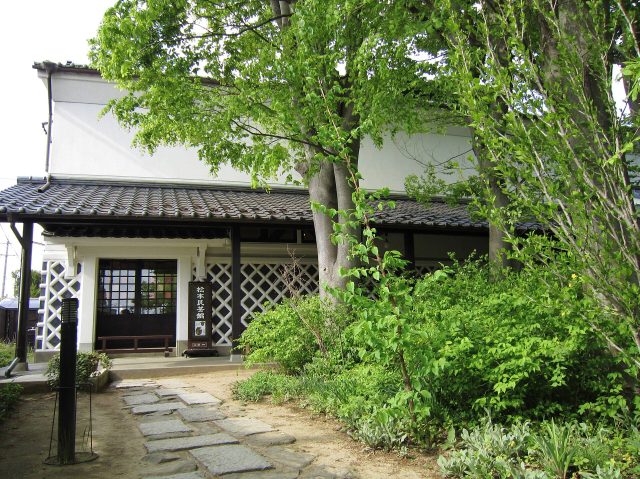
The city of Matsumoto, which grew up around the castle, still carries the quiet charm of old Japan. Narrow streets wind past traditional houses with tiled roofs, and small shops sell local crafts. Unlike Kyoto or Tokyo, it doesn’t feel crowded, which makes exploring the castle all the more enjoyable. You can take your time wandering through its rooms, visiting the small museum inside, and then stopping at a nearby café to sip green tea and reflect on what you’ve seen.
Often called the gateway to the Japanese Alps, Matsumoto sits at a crossroads between the plains and the mountains, bridging modern Japan with its traditional past. It’s not as grand as Himeji Castle or as mysterious as Inuyama, but that’s part of its appeal. There’s no theatricality here, just authenticity. The castle doesn’t try to impress—it simply endures, as it has for centuries, through wars, fires, and the rise and fall of empires. That quiet resilience is what makes it so compelling. It doesn’t need to shout to be heard; it just stands, as it always has, a silent witness to history.