Jōkyō-ji is one of those quiet places that lingers in your memory long after you’ve left. It doesn’t draw crowds or feature in glossy travel guides, and most visitors to Matsumoto pass it by without a second thought. Yet those who do find their way here often leave with a sense of stillness that’s hard to come by elsewhere. There’s no grand spectacle, no elaborate rituals—just the kind of understated presence that makes you pause and take notice of the world around you.
The temple was founded in the early 1600s, during the Edo period, a time when Japan was settling into a long era of peace after centuries of conflict. Matsumoto, then a thriving trade hub between Edo (modern-day Tokyo) and Kyoto, was flourishing, and Jōkyō-ji emerged as part of this cultural and spiritual growth. It belongs to the Sōtō Zen school, which emphasizes meditation and mindfulness in everyday life. Unlike the more ornate temples of other Buddhist traditions, Sōtō Zen values simplicity and practicality, and Jōkyō-ji reflects that ethos in its architecture and atmosphere.
The main hall, or hondo, is a modest wooden structure with a low, tiled roof that has weathered to a soft gray over the centuries. Inside, the space is uncluttered: a simple altar with Buddhist statues, flickering lanterns, and cushions arranged for seated meditation. The temple occasionally holds zazen sessions open to the public, though not all are conducted with English explanations, so visitors might want to check ahead if they’re interested in participating. Even if you don’t join a formal session, the quiet hum of the place invites reflection.
The temple garden is a quintessential example of Zen landscaping—no vibrant flowers or exotic plants, just a carefully composed arrangement of rocks, moss, and pruned shrubs. It’s not a garden meant for strolling; instead, it’s designed to be observed from the veranda or as you pass by. Each season brings its own subtle beauty: delicate blossoms in spring, lush greenery in summer, fiery maple leaves in autumn, and a dusting of snow on the stones in winter. The garden’s purpose isn’t to impress but to evoke a sense of harmony, a reminder of the quiet order that underlies the natural world.
Jōkyō-ji has deep roots in Matsumoto’s history. During the Edo period, it served as a spiritual anchor for the community, a place where locals gathered for ceremonies, resolved disputes, and honored their ancestors. Funerals and memorial services were held here, and the temple played a role in the daily rhythms of the city. Today, it remains a living part of Matsumoto’s fabric. Early mornings see elderly residents arriving to pray, leave offerings, or simply sit in silence. There’s no grand spectacle, just the quiet continuity of tradition.
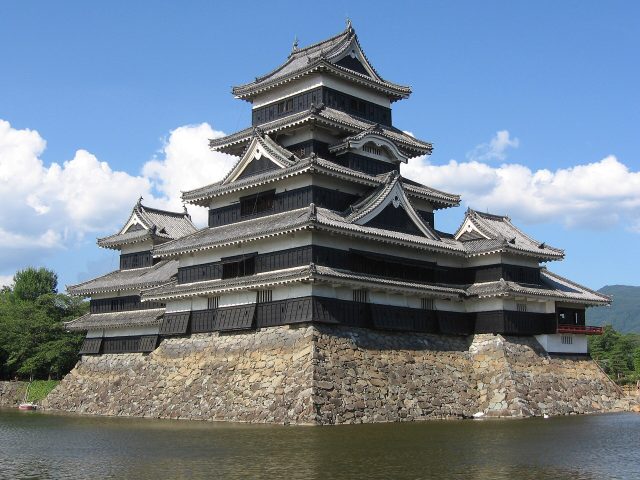
The temple sits on the edge of a residential neighborhood, a short distance from the city center. It’s within walking distance of Matsumoto Castle, though many visitors opt for a bus or taxi to reach it. This slightly out-of-the-way location adds to its appeal—there are no souvenir shops, no multilingual signs, no crowds. Just the sound of wind through the trees and the occasional rustle of a monk sweeping the pathways. It’s the kind of place where you can step out of time for a little while.
A few times a year, Jōkyō-ji hosts traditional festivals that offer a glimpse into its spiritual life. In August, the O-bon festival honors the return of ancestral spirits, with lanterns lining the temple grounds and offerings of food and flowers left for the departed. December brings the Daihannya-e ceremony, a solemn event dedicated to Amida Buddha, where monks chant sutras and light lanterns in the cold winter air. These events aren’t widely advertised, and details can be hard to come by in advance, but those who stumble upon them often find them deeply moving.
Visiting Jōkyō-ji isn’t about ticking off a checklist of sights. There’s no need to rush, no pressure to document every corner with your camera. Instead, it’s an opportunity to slow down—to sit on the veranda, listen to the leaves rustling, or watch as a monk tends to the garden with deliberate care. The temple’s unhurried pace is a balm after the frenetic energy of larger cities, a reminder that stillness can be just as rewarding as spectacle.
Matsumoto itself is a city that moves at its own rhythm, and Jōkyō-ji fits seamlessly into that atmosphere. There’s nothing performative about it, no attempt to dazzle or entertain. The temple simply exists, as it has for centuries, offering a space where the past and present coexist without fanfare. It’s the kind of place that doesn’t demand your attention but quietly earns it, leaving you with the sense that you’ve touched something enduring. And perhaps that’s why, long after you’ve left, you might find yourself thinking of it again.