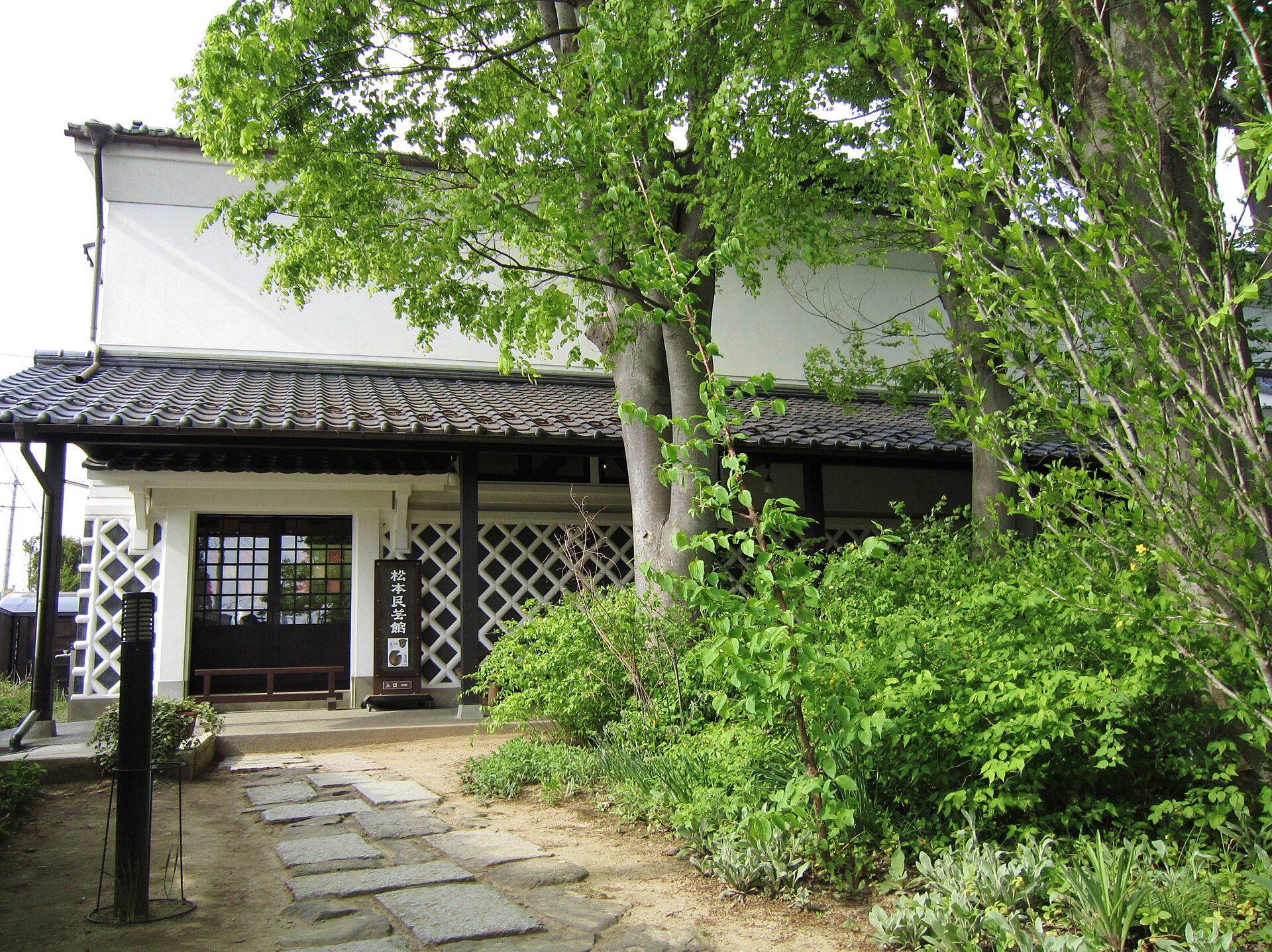
Matsumoto Folk Crafts Museum feels less like a museum and more like stepping into a living workshop where time has slowed just enough to let tradition breathe. Tucked in the heart of the city, the building itself is part of the story—low wooden beams, sliding doors that whisper against tatami, and courtyards where sunlight filters through the same way it did centuries ago. There are no glass cases here, no rigid timelines, just the quiet presence of objects that still carry the warmth of the hands that made them. The space doesn’t just display craftsmanship; it preserves the rhythm of work, the patience of creation, and the unspoken understanding between maker and material.
The exhibits unfold like chapters of a region’s history, each one tied to the land and the people who shaped it. Nagano Prefecture, with its harsh winters and mountainous terrain, demanded resourcefulness, and the crafts on display reflect that. Wooden bowls worn smooth by use, baskets woven tight to carry winter provisions, textiles dyed with local plants—these weren’t just objects, but tools for survival, passed down through generations. The museum doesn’t romanticize the past; it shows the practical beauty of things made to last, whether a farmer’s straw sandals or a merchant’s lacquered chest. Even the simplest items tell a story of adaptation, of hands learning to coax function and form from the materials at hand.
Lacquerware takes center stage in one of the most striking sections. In Japan, lacquer is never just a finish—it’s a process of layering, sometimes dozens deep, each one left to dry before the next is applied. The result is a surface that seems to glow from within, resilient enough to endure decades of use. Here, you’ll find trays and boxes in deep black or oxblood red, some adorned with delicate gold or silver inlays in the *maki-e* style, where powdered metal is sprinkled onto wet lacquer to create shimmering designs. The tools of the trade are often displayed alongside the finished pieces: brushes with worn bristles, pots of pigment, the very bowls used to mix the lacquer. It’s a reminder that what looks effortless is the result of years of practice, of hands moving with precision born from repetition.
Woodwork is another cornerstone of the collection, and the museum traces the entire journey of a piece, from raw timber to finished object. Matsumoto’s craftsmen worked with local woods—cedar, cypress, pine—each chosen for its grain, scent, or durability. The exhibits include everything from sake barrels to *geta* sandals, their wooden soles worn smooth by generations of wearers. There are even fragments of old homes, their joinery so precise they needed no nails. The most compelling displays aren’t the ornate carvings, but the everyday items: a rice paddle, a tool handle, a child’s toy. These were the things that filled a life, shaped by the same hands that built the region’s famous castles and temples, though with far less fanfare.
Textiles weave another thread through the museum’s narrative. Nagano was once a hub for silk and cotton production, and the fabrics on display reveal a deep connection to the land. Kimono silks dyed with indigo or madder root, *obi* sashes woven with geometric patterns, even rough-spun work clothes—each piece reflects the climate and culture of the region. Some textiles feature motifs unique to Matsumoto: stylized mountains, flowing rivers, or the delicate curves of local flora. Nearby, traditional looms stand ready, and if you’re lucky, you might see a weaver at work, their hands moving with the same rhythm as their ancestors. The process is hypnotic, a reminder that even the most intricate patterns begin with a single thread.
What sets this museum apart is the chance to step beyond observation and try your own hand at craftsmanship. Workshops are held regularly, offering introductions to lacquerwork, weaving, woodcarving, and pottery. There’s no pressure to create a masterpiece—just the quiet guidance of a master showing how to hold a brush, shape clay, or coax a design from a block of wood. The experience is humbling. What looks simple in the hands of an expert reveals itself to be a skill honed over years, if not decades. It’s one thing to admire a lacquered box behind glass; it’s another to feel the weight of a brush loaded with pigment, to understand the patience required to wait for each layer to dry. These workshops aren’t just about making something to take home; they’re about grasping the value of slow, deliberate work in a world that often prioritizes speed over substance.
The museum’s setting in Matsumoto adds another layer to its story. The city sits in a valley where winters are long and snow blankets the ground for months. In the past, this meant long stretches of indoor life, where families turned to craft to fill the hours. Weaving, carving, and lacquerwork weren’t just hobbies; they were survival skills, ways to prepare for the seasons ahead. The cyclical nature of life here—of planting and harvest, of work and rest—shaped the crafts that emerged. Even today, the rhythm of the region lingers in the museum’s halls, a quiet counterpoint to the rush of modern life.
In an age where so much is mass-produced and disposable, places like the Matsumoto Folk Crafts Museum feel almost radical. They don’t just preserve objects; they preserve a way of thinking, a relationship to the world that values durability over novelty, skill over convenience. The museum isn’t a relic of the past, but a living argument for why these traditions still matter. It’s a place where you can hold a wooden bowl and feel the grooves worn by generations of hands, or trace the pattern of a textile and imagine the loom that wove it. These aren’t just artifacts; they’re evidence of lives lived with care, of hands that shaped the world around them one patient stroke at a time.
A visit here isn’t about checking off another tourist attraction. It’s an invitation to slow down, to look closely, and to consider what it means to make something with your own hands. The museum doesn’t offer easy answers, but it asks the right questions: Why do we value what we value? What gets lost when we stop making things ourselves? And what might we regain if we took the time to learn? The answers aren’t in the exhibits, but in the quiet moments between them—the pause before you pick up a tool, the hesitation before the first brushstroke, the realization that some things can’t be rushed. That’s the real lesson of Matsumoto’s crafts: not just how to make, but why it matters.