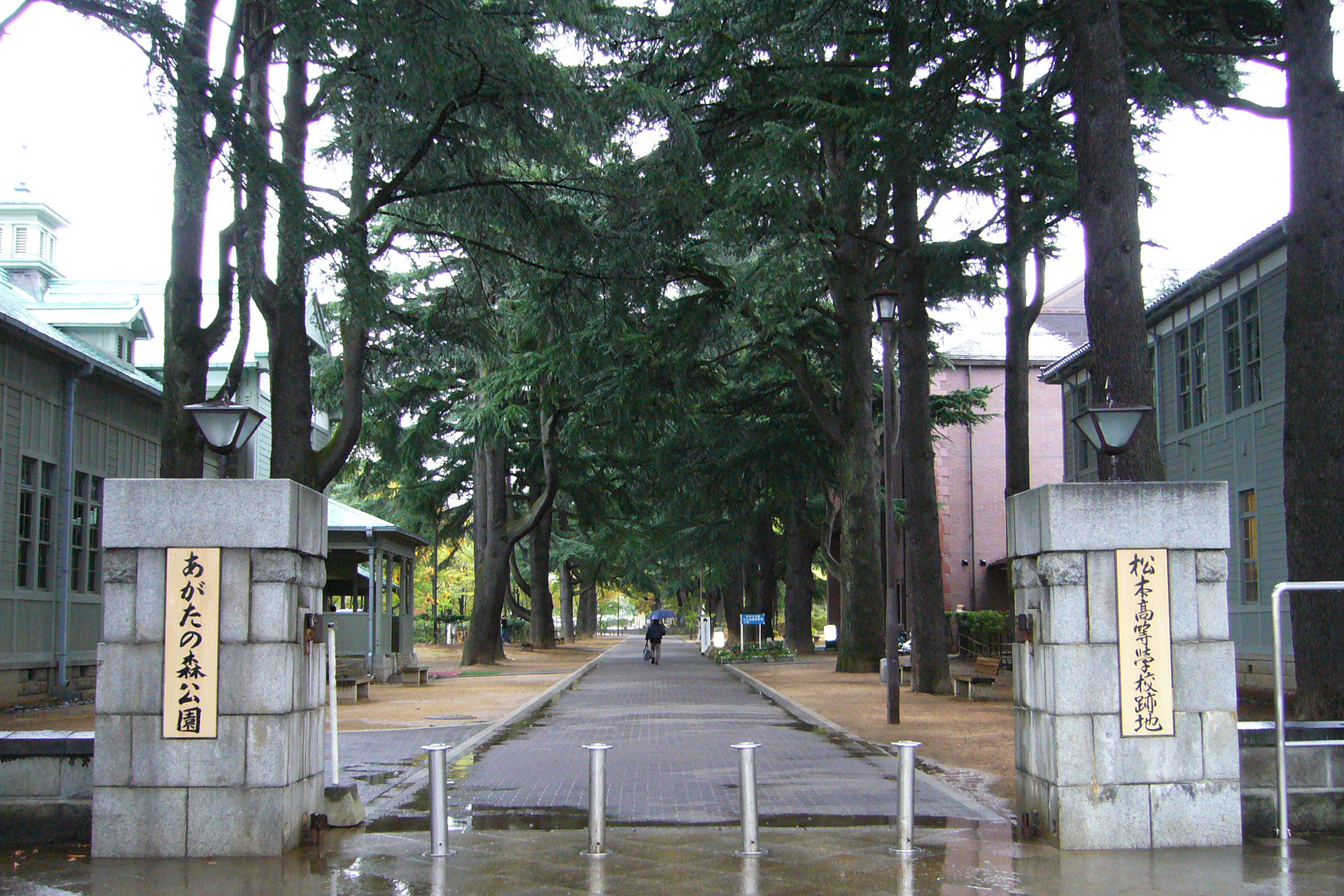
Ageta-no-Mori Park is one of those quiet corners of Matsumoto where the city’s usual hum fades into something softer. Tucked at the edge of town, where urban life gently gives way to the foothills, it doesn’t offer grand attractions or bustling entertainment. Instead, it provides something simpler: a place to step away from the noise and breathe. Wide lawns stretch under the shade of old trees, and winding paths invite slow, unhurried walks. On clear days, the mountains peek through the gaps in the foliage, and for a moment, it feels like the world slows down just enough to let you notice the air, the light, the quiet.
The name translates to Ageta’s Forest, and though it’s now more of a city park than a wild woodland, the name carries echoes of what this place once was. Its history is woven into Matsumoto’s growth during the Edo period, when these lands served practical purposes—timber was harvested here, livestock grazed, and local festivals were held under the trees. As the city expanded, the forest gradually became a retreat, and by the early 20th century, it was officially designated as a public park. Today, it’s a mix of both worlds: a touch of nature preserved within the city, frequented by locals and the occasional traveler looking for a break from the usual tourist spots.
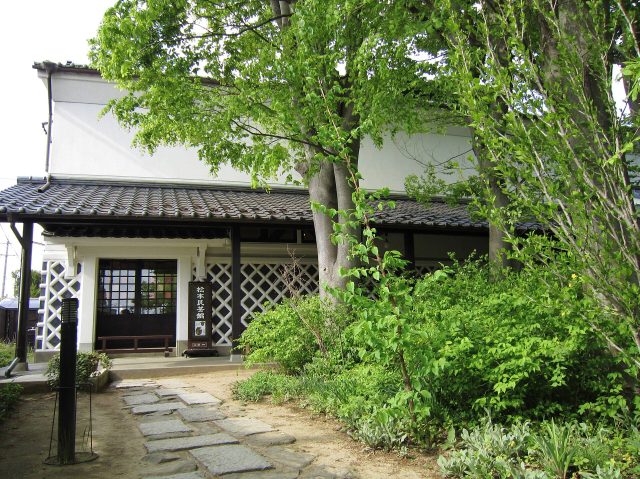
There aren’t many architectural landmarks here, but the few that exist blend seamlessly into the landscape. The most notable is a small wooden pavilion, built in a traditional style, where tea ceremonies and small gatherings are sometimes held. Its gray-tiled roof and carved pillars hint at classic Japanese garden design, though the structure itself is modest, almost understated. Nearby, stone lanterns stand along the paths, their soft glow adding to the park’s peaceful evenings. A few old wells remain, too, remnants of the days when this was still a village rather than a park.
What makes Ageta-no-Mori special is how it changes with the seasons. In spring, cherry blossoms dust the ground in pale pink, and families spread out picnic blankets beneath the trees. Summer brings thick, lush greenery, offering shade from the heat, while the air hums with the sound of cicadas. Come autumn, the maples and ginkgo trees blaze in reds and golds, turning the park into a living painting. Winter is quieter, the paths nearly empty, but the snow settling on bare branches creates a scene straight out of a woodblock print. Each season leaves its mark, and that’s why even those who live nearby keep coming back.
There are no strict rules here, no schedules to follow. You can wander in at any time, stroll along the paths, or sit on a bench with a book. Artists sometimes set up easels, sketching the trees or the distant mountains, while others come simply to listen to the wind. On weekends, small festivals or craft workshops might take place, but they never disrupt the park’s calm. It’s not a place designed for excitement—its purpose is simpler, and perhaps more meaningful: to offer a pause from the rush of daily life.
For Matsumoto’s residents, Ageta-no-Mori is woven into everyday routines. Parents bring their children here, couples take wedding photos under the trees, and older locals meet for morning walks. The park doesn’t try to impress; it doesn’t need to. That’s part of its charm—it’s unassuming, a quiet constant in a city that’s always changing. It doesn’t demand attention, but those who visit often find themselves returning, drawn by the way it feels like a secret shared only with those who take the time to notice.
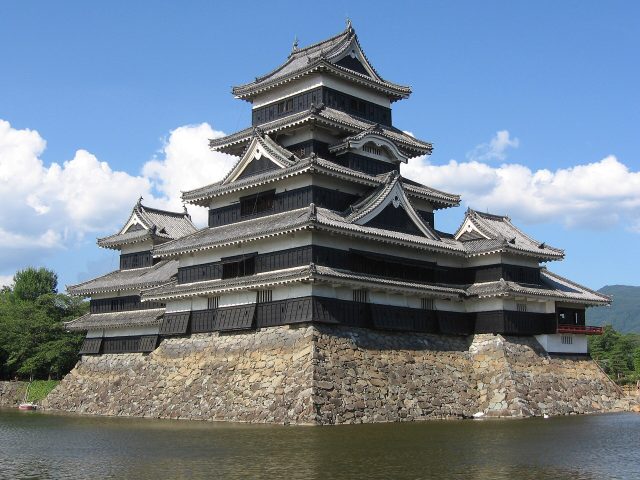
If you find yourself in Matsumoto and want to see the city beyond its famous castle and museums, Ageta-no-Mori is worth a visit. It’s a place where you can glimpse the rhythm of local life, where the city and nature exist side by side without fuss. There’s no need to hurry here, no crowds to follow. You can wander the paths, watch the seasons shift, and understand why, in Japan, the idea of harmony with the natural world isn’t just a concept—it’s something you can feel. Sometimes, the best places are the ones that don’t ask for anything at all, except that you take a moment to be there.