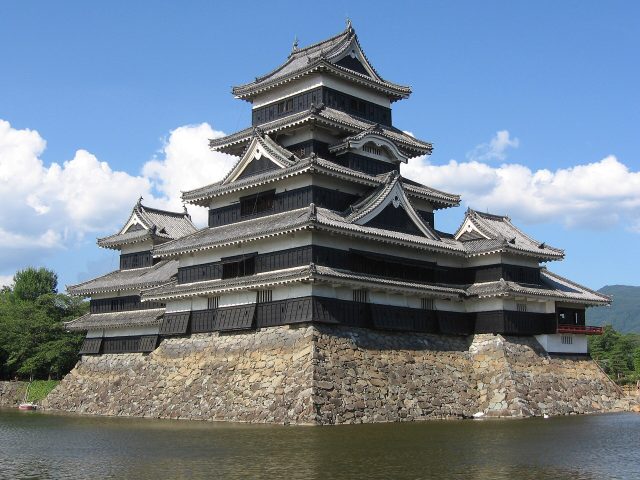
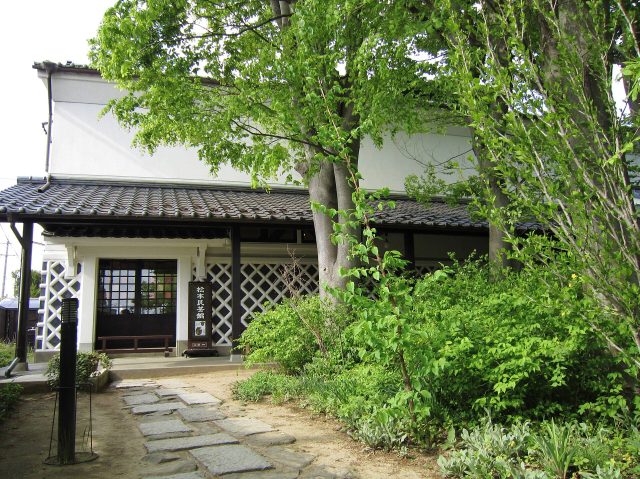
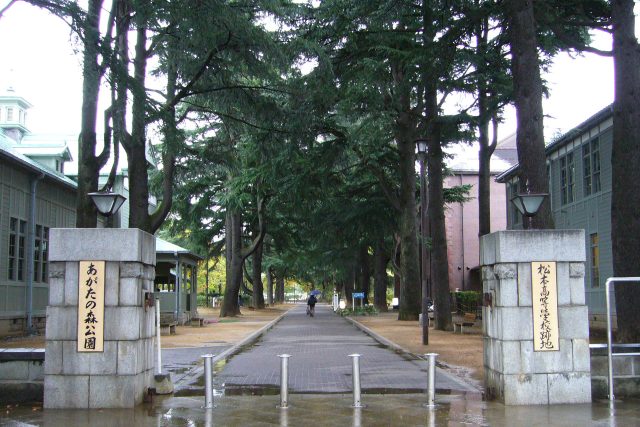
Matsumoto isn’t the kind of place that usually makes it onto tourist itineraries. Tucked between mountain valleys a couple of hours from Nagano, it moves at its own quiet pace, where old castles stand as reminders of another era and the rhythm of life feels unhurried. It’s an unlikely setting for a museum of contemporary art, yet that’s exactly what makes it worth visiting.
The building itself is a work of art, designed by Arata Isozaki, an architect whose name carries weight far beyond Japan. Here, he created something understated yet striking—a structure of clean lines, pale stone, and expansive windows that flood the galleries with natural light. From the outside, it doesn’t announce itself as a museum in the traditional sense. There are no grand facades or imposing gates, just a space that feels open and inviting, almost like a public square where art and everyday life intersect.
Inside, the museum doesn’t rely on a permanent collection. Instead, the exhibitions rotate regularly, ensuring that each visit offers something new. The focus is primarily on Japanese artists from the latter half of the 20th century and contemporary creators, though occasionally international names appear. One of the museum’s quieter strengths is its attention to artists from the Chubu region, not as a nod to local pride, but as a way of highlighting how art evolves outside the usual cultural hubs. The galleries are arranged to give each piece room to breathe, with sightlines that allow visitors to engage with the work from different angles. Sometimes, the exhibitions spill beyond the walls, incorporating light and space into the experience itself. When that happens, the museum feels less like a repository of objects and more like a place where art becomes something you move through, not just observe.
Beyond the galleries, there’s a small library filled with art books, a shop selling exhibition catalogs and simple souvenirs, and a café that doubles as a gathering space. The café is minimalist in design, with large windows framing views of the mountains beyond. It’s a place where artists and visitors often linger, discussing the work they’ve just seen or simply enjoying the quiet. There are no strict rules about how to spend time here—some people come just to sit, others to attend a lecture or a casual talk with an artist.
What sets this museum apart isn’t the scale of its collection or the fame of its artists. It’s the way it fits into the life of Matsumoto. There are no crowds, no pressure to see everything at once. The art doesn’t feel like something distant or untouchable; it’s just there, part of the fabric of the city. Locals drop in for an hour or two, not because they feel obligated, but because the museum feels like a natural extension of their day. It’s the kind of place where you might strike up a conversation with a stranger about a piece that caught your eye, or where you can sit on a bench in the middle of a gallery and let the work sink in without anyone rushing you.
Afterward, the rest of Matsumoto is easy to explore. The streets are lined with small shops selling traditional sweets, and the 16th-century castle looms over the city, its dark silhouette a contrast to the modern lines of the museum. But even if you don’t venture further, the museum leaves an impression—one of quiet discovery, as if you’ve stumbled upon something meaningful without the weight of expectation.
Japan has no shortage of contemporary art museums, but few manage to feel as unpretentious and integrated into their surroundings as this one. It’s not just a place to look at art; it’s a space where art becomes part of the conversation, where the city and its people shape how it’s experienced. There’s no script for how to engage with it, no right or wrong way to feel. You might leave with more questions than answers, or with the sense that you’ve seen something real—not because it was grand or famous, but because it felt honest.