Perched on a hill overlooking the northern coast of Cyprus, the ruins of Lapithos Castle offer a glimpse into the island’s layered past. This site carries no legends of sieges or royal intrigue, but its stones tell a story of local power, shifting rulers, and time’s slow work. The castle’s origins blur between Byzantine and Lusignan periods, when Cyprus was a crossroads of medieval Mediterranean politics. Today, only scattered walls and foundations remain, their limestone blocks worn by sun and wind.
The approach to the ruins is simple. A narrow path winds up from the edge of Lapithos village. The climb is short but steep, and the view opens suddenly—olive groves stretching toward the sea, the Kyrenia mountains in the distance, the Mediterranean shimmering on the horizon. The castle’s location was deliberate. From here, its builders could watch the coastline for ships or raiders long before they reached shore. In an era when control of the sea meant control of trade and survival, such a view was everything.
The structure was never meant to impress. Unlike Crusader castles with their towering keeps, Lapithos was a fortified manor, a stronghold for a local lord. The surviving walls, some still a few meters high, suggest a compact layout—a central courtyard, living quarters, storage rooms, and a small chapel. The masonry is rough but practical, with large stones fitted without precision. Fragments of arches hint at former elegance, though most have collapsed into the undergrowth.
What makes Lapithos intriguing is its obscurity. Unlike Lusignan castles built to intimidate, this one feels almost ordinary. The lack of grand halls or defensive towers suggests it wasn’t meant to withstand siege. Instead, it was likely a residence for a minor noble family, a place to oversee lands, collect taxes, and host travelers. No records explain its fate. Was it abandoned after the Genoese took northern Cyprus in the 14th century? Did it decay when the Venetians focused on coastal defenses? Or was it simply forgotten as the island’s political center shifted?
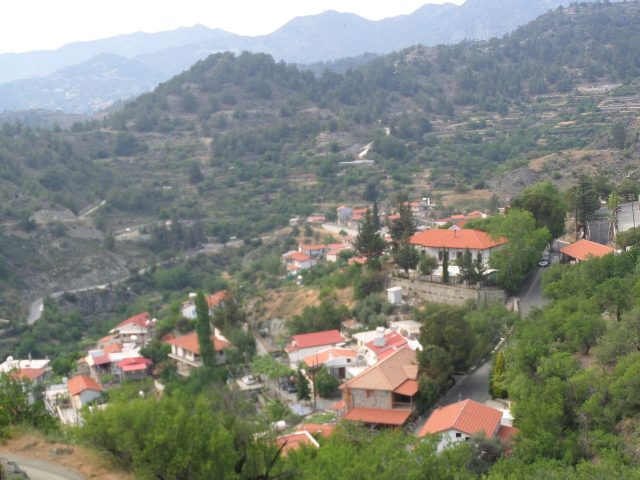
The landscape around it tells its own story. Lapithos is a village of faded charm—crumbling Ottoman houses, modern homes built in haste, bougainvillea spilling over walls. The ruins blend into the hillside, as if they’ve always been there.
Visiting feels like stepping into a pause in time. No guided tours, no explanations—just wind through dry grass and lizards darting across stones. It’s easy to imagine daily life here: servants carrying water, a family gathering for meals, a messenger’s arrival. The absence of crowds makes it feel like a secret.
The castle’s decline reflects northern Cyprus’s fate. After the Ottoman conquest in the 16th century, many fortresses were left to decay as gunpowder and naval power changed warfare. Lapithos, already modest, was likely abandoned earlier, its stones repurposed for village homes.
Lapithos Castle isn’t about grandeur. It’s about fragments of history, the quiet pleasure of discovery. You might trace the walls for an hour or sit on a fallen block, watching the light change over the sea. Either way, it leaves only a sense of place—a fleeting connection to those who once stood here, looking at the same horizon.