The Archaeological Museum of Lapithos is one of those rare places in Cyprus where history doesn’t just sit behind glass—it lingers in the air, woven into the very walls. Tucked away in a quiet town on the island’s northern coast, it may not have the grandeur of Nicosia’s museums or the fame of Paphos’s ruins, but that’s precisely what makes it special. There are no crowds here, no overwhelming halls where artifacts get lost in the shuffle. Instead, each piece, whether a tiny amulet or a massive sarcophagus, carries its own quiet story, a fragment of Lapithos’s long and layered past.
Lapithos itself is a town that time has almost forgotten, but in antiquity, it was a place of significance. Founded in the 11th century BCE, it thrived thanks to its position between the sea and the mountains, as well as its rich copper mines. Over the centuries, it passed through the hands of Assyrians, Egyptians, Persians, Romans, and Byzantines, each leaving their mark. The museum, though small, brings together some of the most striking remnants of these eras—from Bronze Age pottery to marble busts of Roman emperors. One of the most intriguing collections is the terracotta figurines unearthed from local sanctuaries, offering a glimpse into the religious practices that shaped the town thousands of years ago.
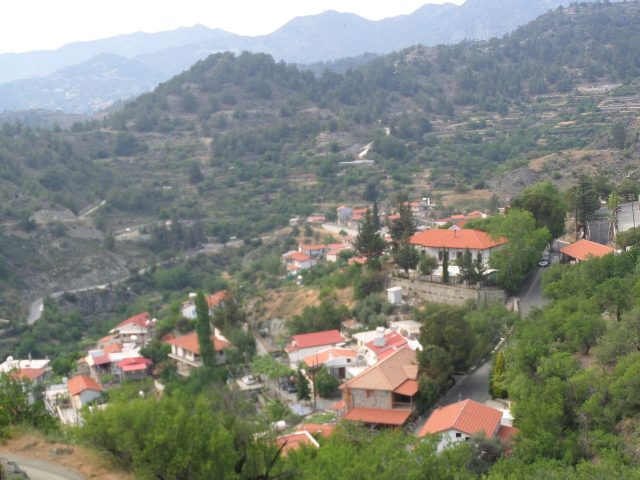
The museum building is a piece of history in its own right. Housed in a former Ottoman-era mansion, it once belonged to a local landowner. The thick stone walls, high wooden-beamed ceilings, and narrow windows create an atmosphere that feels suspended in time. Inside, the exhibits are spread across two floors, each dedicated to a different period. The ground floor covers pre-Roman finds, while the upper level focuses on the Roman era and early Christianity. Walking through the rooms, it’s hard not to imagine the generations who once stood in these same spaces, looking out at the same hills that frame the town today.
Some exhibits stand out more than others. There’s a well-preserved mosaic depicting Dionysus, discovered in the ruins of a Roman villa, its vibrant colors still vivid enough to evoke the feasts and celebrations of ancient Lapithos. Then there’s the collection of coins minted in the town during the 4th century BCE, each bearing symbols of the city and the names of rulers now lost to history. But the museum also holds quieter treasures—clay lamps, tools, fragments of everyday pottery—reminders that history isn’t just about kings and battles, but about the people who lived, worked, and loved here long before us.
This isn’t a place for flashy displays or interactive exhibits. There are no multimedia installations or audio guides in a dozen languages. What it offers instead is something far more intimate: the chance to wander at your own pace, to read the labels in Greek or English, and to step outside afterward and see the same landscape that once surrounded the town’s ancient inhabitants. Lapithos hasn’t been swallowed by modernity like so many other Cypriot towns. It still moves at its own unhurried rhythm, and the museum is its quiet guardian.
What makes the museum even more compelling is that the story it tells isn’t finished. Archaeological excavations in the area continue, and each year brings new discoveries, some of which find their way into the museum’s collection. The exhibits aren’t static; they grow and evolve alongside the town. For those who prefer to experience history not through textbooks but through the tangible remnants of the past, Lapithos and its museum can feel like a revelation. There’s no rush here, no sense of being herded through. Just silence, stone, and the faint echo of lives lived long ago.