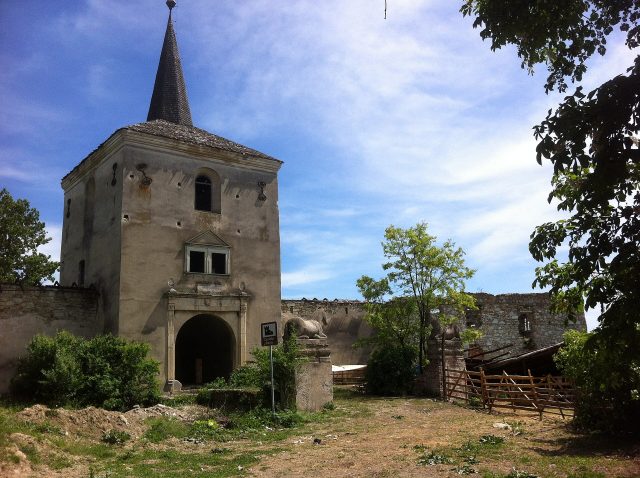
Perched on a gentle hill overlooking the quiet town of Unguraș, the Banffy Castle stands as a quiet witness to centuries of Transylvanian history. Its weathered stone walls and arched windows tell stories of noble families, political intrigue, and the slow passage of time in a region where the past feels closer than elsewhere. The castle’s origins trace back to the 15th century, though much of what remains today reflects later renovations and the tastes of the Banffy family, who shaped its character over generations. Unlike the more famous fortresses of Romania, this one was never built for war—its purpose was always one of residence, a place where aristocrats could retreat from the world while still keeping an eye on their lands.
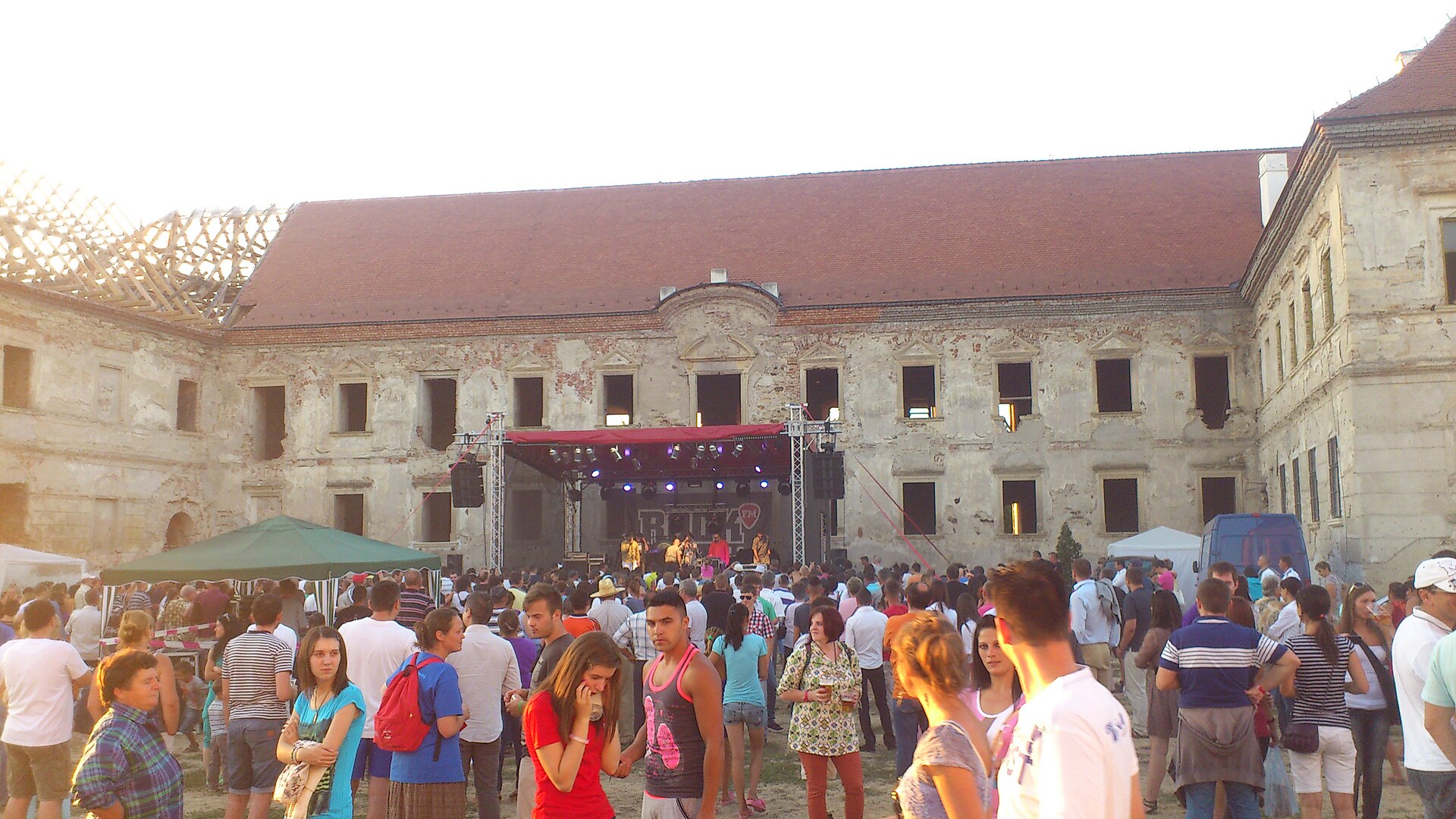
The architecture of the castle blends elements of Gothic and Renaissance styles, a reflection of the changing fashions and fortunes of its owners. The original structure was likely modest, but as the Banffy family rose in prominence, so did their home. By the 18th century, the castle had taken on a more refined appearance, with elegant facades, high ceilings, and grand halls designed to impress visitors. The interior, though now mostly empty, once held rich tapestries, ornate furniture, and portraits of ancestors who had played their part in the region’s history. The courtyard, surrounded by arched galleries, would have been alive with the sounds of servants, guests, and the occasional clatter of horses’ hooves.
For much of its existence, the castle was more than just a home—it was a center of power. The Banffy family were influential figures in Transylvania, serving as governors, diplomats, and military leaders at various points in history. Their loyalty to the Habsburgs, and later to the Hungarian crown, often placed them at the heart of political maneuvering. The castle itself became a symbol of their status, a place where deals were struck and alliances forged over glasses of local wine. Even today, walking through its halls, one can almost hear the echoes of whispered conversations and the rustle of silk gowns.
The 20th century brought dramatic changes to the castle, as it did to so much of Europe. After World War II, the Banffy family, like many aristocrats, lost their estates to the communist regime. The castle was nationalized and repurposed, first as a school, then as a storage facility, and eventually left to the mercy of time. By the time the regime fell, the building was in a state of disrepair, its roofs leaking, its walls crumbling, and its once-grand rooms stripped of their former glory. For decades, it stood as a melancholic reminder of a bygone era, its future uncertain.
In recent years, efforts have been made to restore the castle, though progress has been slow. The work is painstaking, requiring not just money but also skilled craftsmen who can match the techniques of centuries past. Some sections have been stabilized, their facades cleaned of decades of grime, while others remain untouched, their decay part of the castle’s new identity. Visitors today will find a place caught between past and present—a structure that is no longer a ruin but not yet fully revived. The contrast between the restored and unrestored parts adds a layer of authenticity, a reminder that history is not always neat or complete.
What makes the Banffy Castle particularly compelling is its atmosphere. Unlike the more tourist-heavy castles of Romania, this one retains a sense of intimacy, as if it’s still waiting for its owners to return. The surrounding countryside, with its rolling hills and patches of forest, only enhances this feeling. On a quiet afternoon, when the light slants through the trees and the wind carries the scent of wildflowers, it’s easy to imagine the castle as it once was—a place of refuge, of power, and of quiet dignity. There are no grand legends of battles or curses here, just the steady accumulation of life, love, and loss that every old home carries within its walls.
For those who visit, the castle offers more than just a glimpse into the past. It’s a place to reflect on the passage of time and the way history shapes the present. The Banffy family may be gone, but their legacy lingers in the stones, in the way the light falls through the windows, and in the stories that still circulate among the locals. Some say the castle is haunted, though not by anything sinister—just the faint presence of those who once called it home. Whether or not you believe in ghosts, there’s no denying the sense of continuity here, the feeling that the past is not as distant as it seems.
If you’re traveling through Transylvania and looking for something beyond the usual tourist trail, the Banffy Castle is worth a detour. It’s not a place of grand spectacles or dramatic vistas, but rather one of quiet beauty and understated significance. The journey to Unguraș itself is part of the experience, winding through small villages where life moves at a slower pace. The castle, when you finally see it rising above the treetops, feels like a discovery, a secret shared between you and the few others who have made the effort to seek it out. In a world that often feels rushed, places like this remind us of the value of slowing down and listening to the stories the past has to tell.