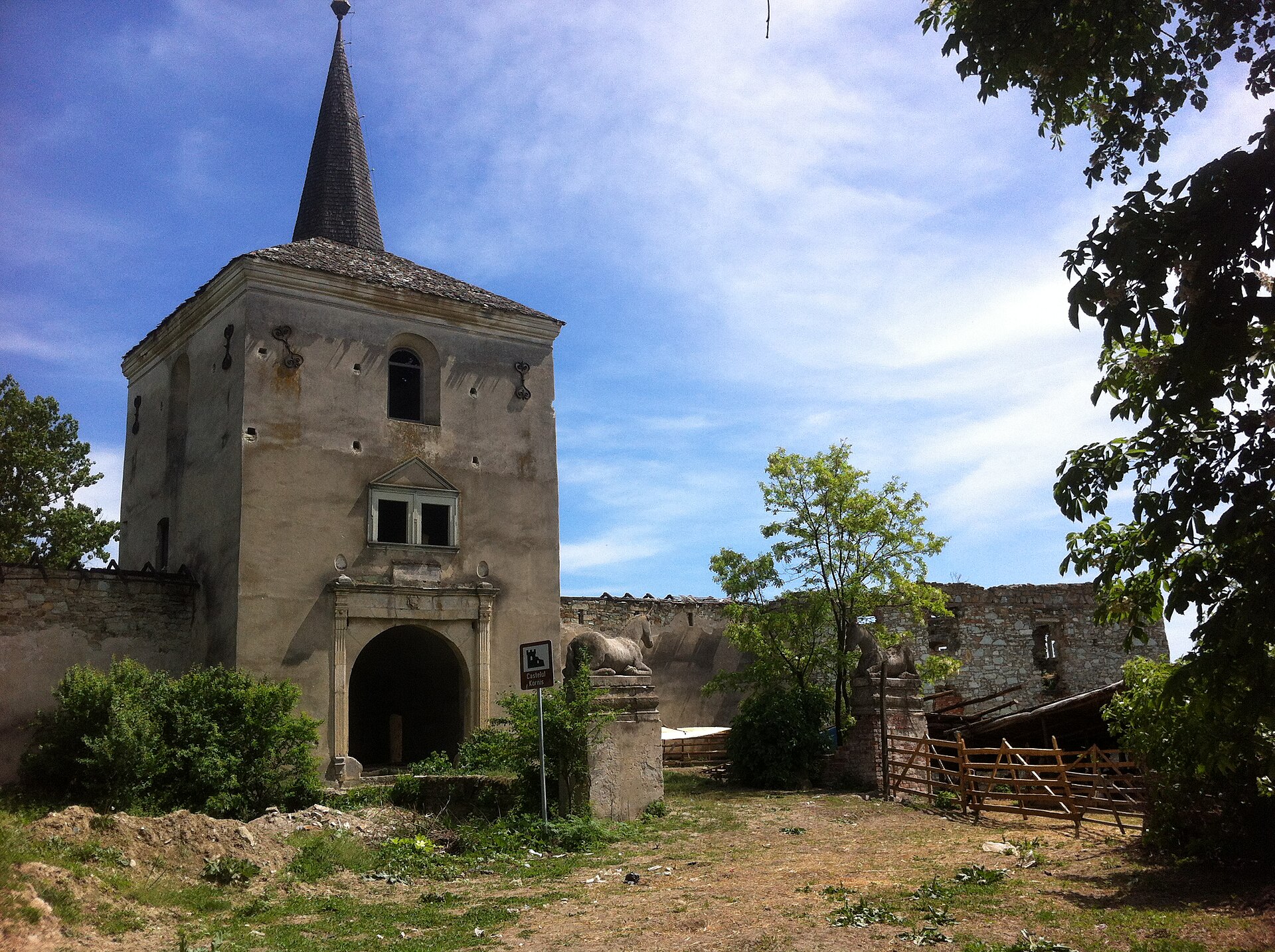
Saint Nicholas Church in Unguraș is one of those quiet places where time seems to have paused, leaving behind the unhurried rhythm of another era. Tucked away in the heart of Transylvania, this modest church doesn’t draw crowds or offer grand spectacles. Instead, it offers something rarer—a sense of stillness, the weight of history in its stones, and the quiet beauty of a place that has served its community for centuries without fanfare.
Built in the 18th century, the church was never meant to impress with scale or opulence. It was a practical place of worship for the people of Unguraș, a small Transylvanian village where life moved to the pace of the seasons and the church calendar. Dedicated to Saint Nicholas, the protector of travelers and children, it became a spiritual anchor for generations. Within its walls, baptisms, weddings, and funerals marked the milestones of village life, while its frescoes told biblical stories in the straightforward, unadorned style of the time—no elaborate theatrics, just faith rendered in pigment and plaster.
The architecture is typical of Orthodox churches in the region from that period. The building is small but solid, with thick walls and a tiled roof that has weathered the years. A simple portal leads inside, where the space follows the traditional three-part layout: narthex, nave, and altar. The bell tower rises modestly above the entrance, its few bells still calling the faithful to prayer. The real charm lies in the frescoes, which, though less refined than those in more famous churches, carry a sincerity that polished masterpieces sometimes lack. Scenes from the life of Christ, saints, and angels cover the walls, their colors softened by time, while folk-inspired patterns add a touch of local character.
The church’s history is intertwined with the struggles of Romania’s Orthodox community in Transylvania. During the 18th century, the region was under Habsburg rule, where Catholicism held sway, and Orthodox Christians often faced restrictions. Their churches were sometimes denied official recognition, and new construction was limited. Yet, despite these pressures, communities like the one in Unguraș found ways to preserve their faith and traditions. The church stands as a testament to their resilience—a place where language, customs, and memory were passed down even when the outside world seemed indifferent or hostile.
Today, the church remains active, though its congregation is smaller than it once was. The changes sweeping through rural Europe have reached even this quiet corner of Transylvania. Young people leave for cities, villages grow emptier, and old churches sometimes become relics of the past. But in Unguraș, the connection to history still feels alive. On Sundays and feast days, the church fills with worshippers, the choir sings, and the scent of incense lingers in the air. For those who attend, it’s more than a building—it’s where they gather for life’s most important moments, where they pray for loved ones, and where they find comfort in difficult times.
Visiting Saint Nicholas Church isn’t about ticking off a tourist attraction. It’s about stepping into a place where the past isn’t just preserved but still lived. There are no guided tours here, no crowds jostling for the best view. Just the quiet hum of a village that has changed little over the decades. Outside the church, Unguraș spreads out in a patchwork of traditional houses, gardens, and narrow lanes where life moves at its own unhurried pace. A walk through the village offers a glimpse of Romania as it once was—less connected, perhaps, but more rooted in community and tradition.
If you find yourself in this part of Transylvania, take a moment to stop. Step inside the church, study the frescoes, and listen to the silence. If you’re lucky, you might even strike up a conversation with a local. It’s in places like this—unassuming, unpolished, but deeply real—that travel often reveals its most meaningful moments. Saint Nicholas Church won’t be the highlight of most itineraries, but it might just be the kind of place that lingers in your memory long after you’ve left. Not because it’s grand, but because it feels true.