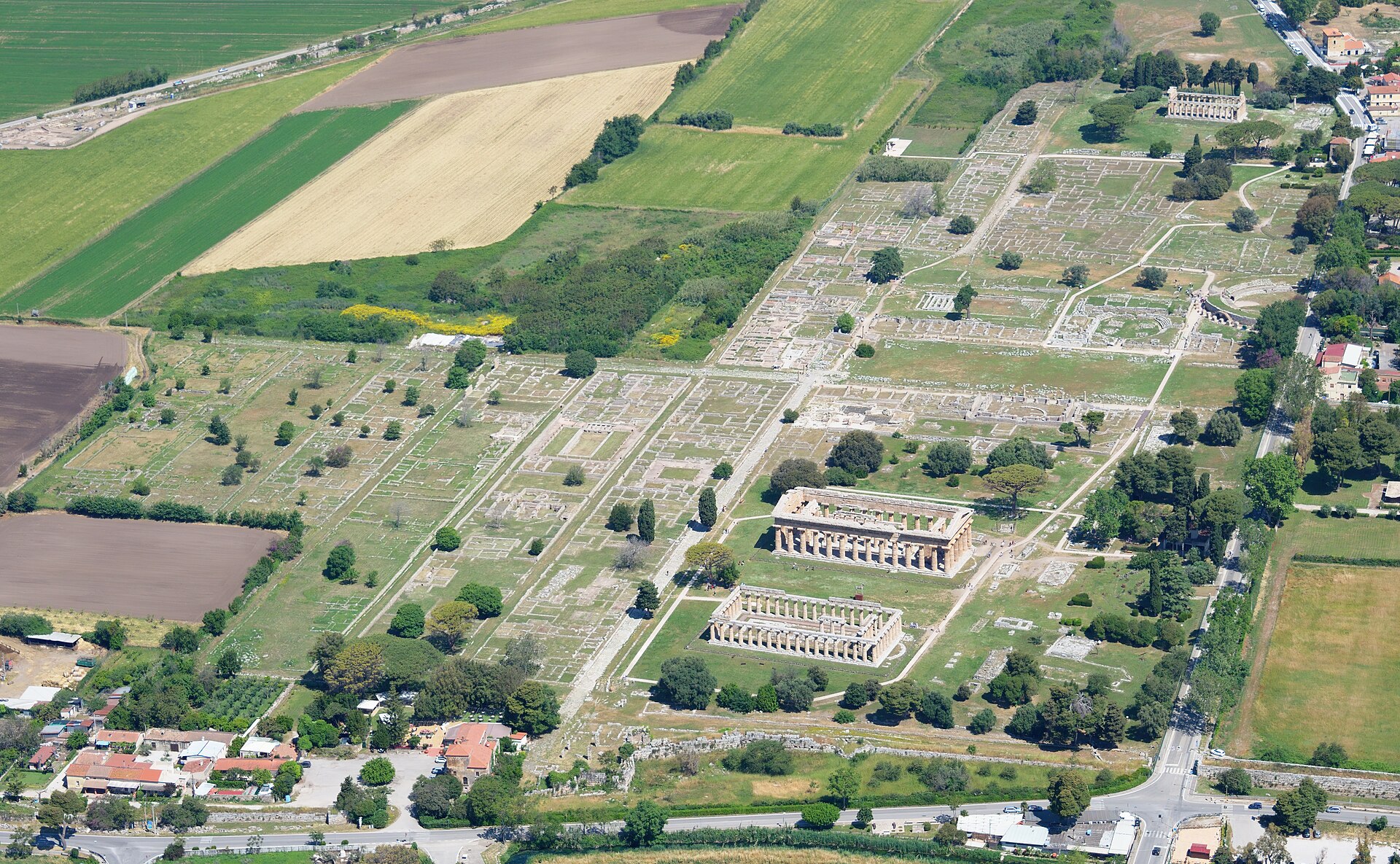
The temples of Paestum stand as quiet witnesses to a world long gone, their weathered columns rising from the plains of southern Italy like remnants of a dream. This is a place where time feels suspended, where the past lingers in the warm sea breeze and the golden light that bathes the ruins at dawn. Unlike the crowded tourist trails of Rome or Florence, Paestum remains a hidden corner of antiquity, a rare survivor of Magna Graecia—the Greek colonies that once flourished along the Italian coast.
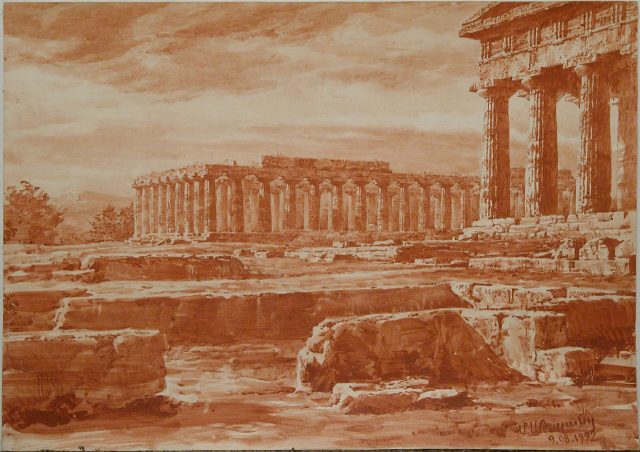
The oldest of the three temples, known as the Basilica, dates back to around 550 BCE. Its name is misleading; it was never a Christian church but a sanctuary dedicated to Hera, the queen of the gods. The temple’s design is striking, with nine columns along its facade instead of the usual six or eight, their sturdy Doric proportions giving the structure a sense of solidity and permanence. Inside, the space feels vast and open, the wind weaving between the columns as if carrying whispers from the past. Once, a towering statue of Hera stood here, but now only the base remains, a silent testament to the devotion of those who built it.
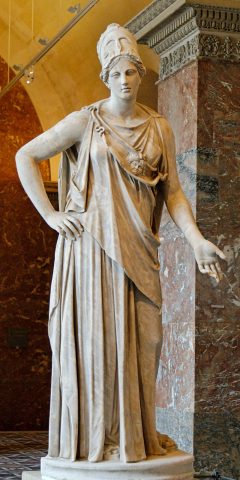
Nearby, the Temple of Athena rises on a gentle hill, its slender columns and refined proportions marking it as a younger sibling to the Basilica. Built around 500 BCE, it blends Doric and Ionic elements—a rarity for its time—creating a harmony of strength and elegance. From its steps, the entire archaeological park unfolds below, a patchwork of ruins where the city’s ancient heart once beat. In its day, this temple was a place of ritual and reverence, where worshippers sought the favor of the goddess of wisdom and war. Today, it’s one of the most photographed spots in Paestum, its lines and shadows shifting with the sun.
The youngest and most celebrated of the trio is the Temple of Neptune, though it may have been dedicated to Hera or another deity. Constructed around 450 BCE, its perfect proportions and precise geometry make it a masterpiece of ancient architecture. Six columns front the temple, fourteen line its sides, and the slight inward tilt of the columns creates an optical illusion of straight, unbroken lines. On a clear day, the shadows they cast are sharp and defined, stretching across the stone like the hands of a sundial. Inside, the space is empty now, the echoes of footsteps the only sound beneath its vaulted ceilings.
But Paestum is more than just its temples. The ruins of the ancient city sprawl around them, a maze of walls, streets, and public spaces that tell the story of a place that thrived for centuries. The city’s defensive walls, built in the 4th century BCE after the Greeks ceded control to the Lucanians and later the Romans, stretch for nearly five kilometers, their massive stones still standing firm. Within them lie the remnants of an amphitheater, a forum, and residential quarters, each layer revealing a different chapter of Paestum’s history. The Romans left their mark here, too, expanding the city and adding their own structures before it gradually faded into obscurity in the Middle Ages.
Walking along the ancient walls, it’s easy to imagine the city as it once was—a bustling hub of trade and culture, where merchants haggled in the agora and citizens gathered in the amphitheater. The sea, now a few kilometers away, was once closer, its waters lapping at the edges of the city. Over time, the coastline shifted, and Paestum was left inland, forgotten until its rediscovery in the 18th century. The land around it is still fertile, dotted with olive groves and vineyards that have sustained the region for millennia.
The National Archaeological Museum nearby offers a deeper dive into Paestum’s past. Here, artifacts unearthed from the ruins paint a vivid picture of daily life in the ancient city. Frescoes from tombs depict scenes of feasting and ritual, their colors still vibrant after centuries underground. Pottery, weapons, and jewelry hint at the craftsmanship of the time, while the famous "Tomb of the Diver" stands out as a rare example of Greek painting. The fresco on its lid shows a young man leaping into the sea, a powerful symbol of the transition from life to death. Such works are precious, offering glimpses into a world where art and belief were intertwined.
Beyond the ruins, the landscape of Campania unfolds in rolling hills and sun-drenched fields. This is a land of slow living, where the rhythms of nature dictate the pace. The region is famous for its buffalo mozzarella, a creamy cheese made from the milk of water buffaloes that graze in the surrounding pastures. Local trattorias serve it fresh, drizzled with olive oil and paired with ripe tomatoes and basil, a simple dish that captures the essence of southern Italian cuisine. The people here are proud of their heritage, and the land itself feels alive with history, from the ancient temples to the medieval villages that dot the countryside.
What makes Paestum special is its sense of stillness. There are no crowds here, no jostling for the best photo spot. Instead, there’s space to wander, to sit on the steps of a temple and listen to the wind rustling through the grass. The temples have stood for over two thousand years, bearing witness to the rise and fall of empires, the ebb and flow of civilizations. They remind us of the fleeting nature of human life and the enduring power of the things we create. In a world that moves too fast, Paestum offers a moment to pause, to reflect, and to connect with something timeless.