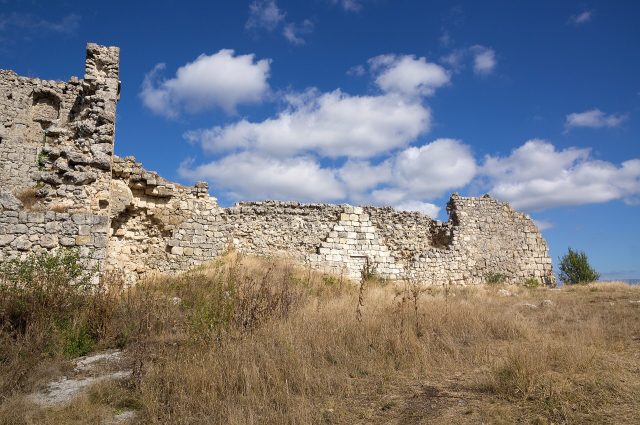
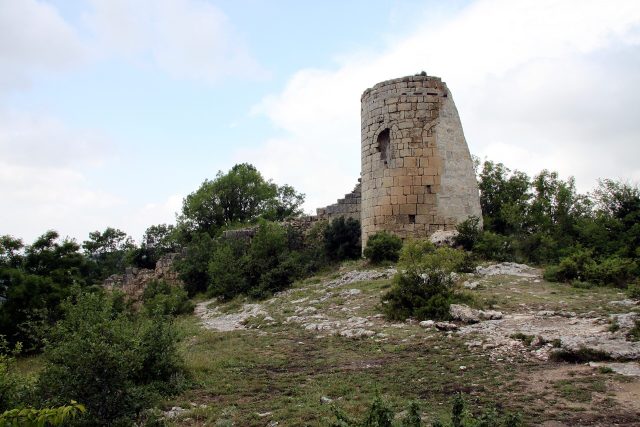
The Church of Saint Stephen of Sourozh stands quietly on the edge of Khodzha-Sala, a small village in Crimea where time seems to move at its own unhurried pace. Surrounded by rolling hills and vineyards, the building feels like a fragment of another era, untouched by the noise of the modern world. Though modest in size, its walls hold centuries of history, a silent witness to the cultural and spiritual currents that once shaped this land.
Built in the ninth century during the height of the Byzantine Empire, the church was named after Stephen of Sourozh, a revered archbishop of the ancient city of Sourozh—now known as Sudak. His influence in spreading Christianity across the region left a lasting mark, and this church became one of the many places where faith and history intersected. Over the centuries, it endured invasions, shifting rulers, and changing religious landscapes, yet it remained a steadfast presence in the life of the peninsula.
The architecture reflects the simplicity and strength of early Byzantine design. Thick stone walls, built from local materials, rise without unnecessary ornamentation, their small windows casting dim light inside. The interior is unassuming, though faint traces of frescoes hint at a richer past. While the church has seen repairs and alterations over the years, its core structure remains much as it was over a thousand years ago, a rare continuity in a region where so much has changed.
What makes this place truly special is its sense of solitude. Khodzha-Sala is not a tourist hotspot, and the church is less a landmark than a quiet reminder of what once was. In summer, wild grasses sway around it; in winter, a light dusting of snow settles on its roof, making the scene feel almost timeless. The locals treat it with quiet respect, not as something exotic or distant, but as a natural part of their surroundings—a piece of history that has always been there.
The best times to visit are spring or autumn, when the crowds are thin and the air carries the scent of herbs and the distant sea. Inside, the coolness lingers even on the hottest days, and the only sounds are the occasional footsteps or the rustle of wind through the windows. There are no guided tours here, no souvenir stands, just the stillness of a place that has seen countless lives pass through its doors.
This is not just an architectural monument but a place where history feels tangible. Standing within its walls, it’s impossible not to wonder about the people who once gathered here—those who came in prayer, in sorrow, or in search of solace. Though the church no longer serves as an active place of worship, its atmosphere remains as evocative as it was centuries ago.
For those drawn to Crimea’s lesser-known stories, the Church of Saint Stephen of Sourozh offers something rare. It lacks the fame of the peninsula’s grand palaces or cave cities, and that is precisely its charm. Here, the past isn’t reconstructed or explained—it simply exists, in the quiet weight of stone and the whisper of wind across the hills.