Suzhou’s Xuanmiao Temple is one of those rare places where time seems to soften, as if the weight of centuries has settled into the very stones beneath your feet. Tucked away in the heart of the old city, it stands at the intersection of bustling streets, yet within its walls, the noise of the outside world fades into the rustle of ginkgo leaves and the quiet murmurs of visitors. Founded in the third century, this Daoist temple is more than an architectural relic—it’s a living thread in the fabric of Suzhou’s history, a city that once thrived as a center of culture, trade, and intellectual life.
Suzhou is often called the Venice of the East for its canals and bridges, but its deeper identity lies in something older: a tradition of philosophy, art, and spiritual inquiry. Xuanmiao Temple, dedicated to the warrior god Guanyu, embodies this legacy. Its name translates to Temple of Mysterious Emptiness, a concept central to Daoism, where emptiness isn’t absence but the space from which meaning emerges. The temple isn’t just a place of worship; it’s where religious ritual, folk belief, and the rhythms of daily life have intertwined for generations.
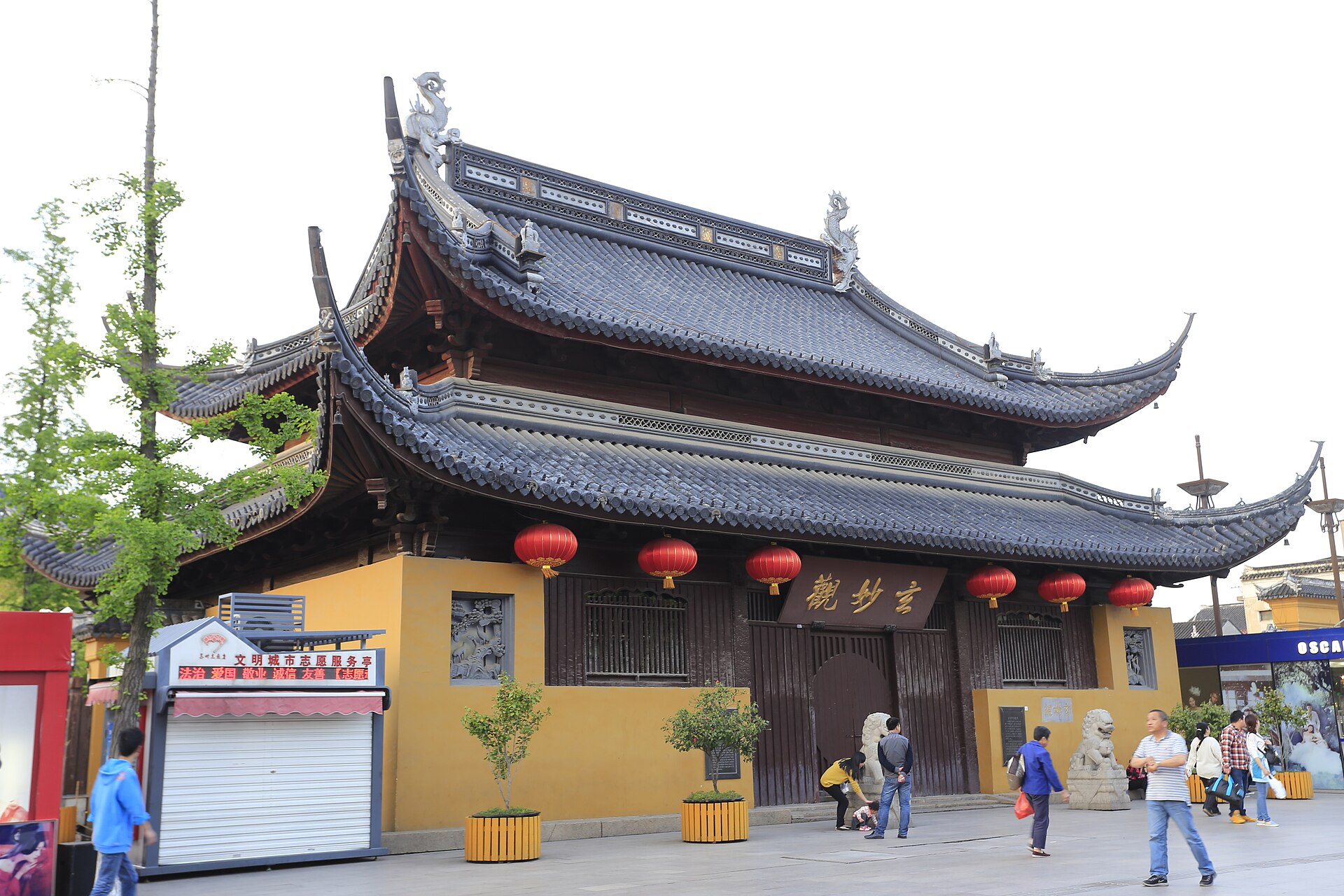
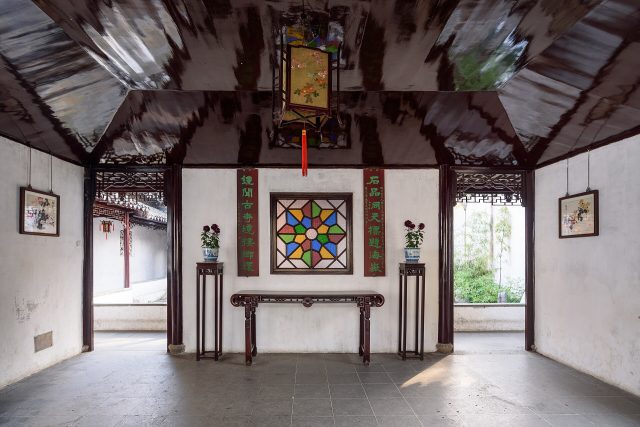
The architecture here follows the graceful lines of southern Chinese temples, though with its own distinct character. The main gate, adorned with intricate carvings, opens into a courtyard where halls rise on sturdy columns, their curved roofs tiled in muted gray. The most striking structure is the Sanqing Hall, dedicated to the Three Pure Ones of Daoism. Built without a single nail, its wooden framework is a testament to the skill of ancient craftsmen. Inside, the air is thick with the scent of incense, and shafts of light filter through lattice windows, casting shifting patterns on the dark wood.
Like Suzhou itself, the temple has weathered centuries of change. During the Tang Dynasty, it became a major pilgrimage site, drawing devotees from across the country. The Song Dynasty saw it expanded with new halls and pavilions. In more turbulent times, such as the Cultural Revolution, it suffered damage, like so many religious sites, but by the late 20th century, it had been carefully restored to its former glory. Today, monks in gray robes move quietly through its courtyards, and the sound of chanting drifts from the halls during services.
For locals, Xuanmiao Temple is more than a place of worship—it’s a cornerstone of the city’s identity. Festivals bring the temple to life, with lanterns glowing in the courtyards and the air filled with music and laughter. The Lantern Festival is especially vibrant, when the entire complex seems to shimmer with light. Even those who don’t follow Daoism come here to sit on a stone bench beneath an ancient tree, to trace the carved dragons coiled around the columns, or simply to feel the weight of history pressing gently against the present.
The temple is surrounded by a neighborhood that still carries the soul of old Suzhou. Narrow lanes, paved with worn stones, lead past small shops selling tea, incense, and handcrafted souvenirs. In nearby courtyards, artisans keep traditions alive—painting fans, carving jade seals, or weaving silk. A cup of fragrant oolong in a teahouse here feels like a step back in time, as life moves at the same unhurried pace as the water in the canals.
What makes Xuanmiao Temple special isn’t grandeur or spectacle. It doesn’t demand attention; it simply exists, as it has for centuries, offering quiet corners where the past and present meet. The scent of incense lingers in the air, the wooden beams creak underfoot, and the light shifts with the time of day. There’s no need for fanfare—just the steady, unassuming presence of a place that has seen empires rise and fall, yet remains rooted in the everyday. That, perhaps, is its greatest charm: the way it endures, unchanged in spirit, while the world around it moves on.