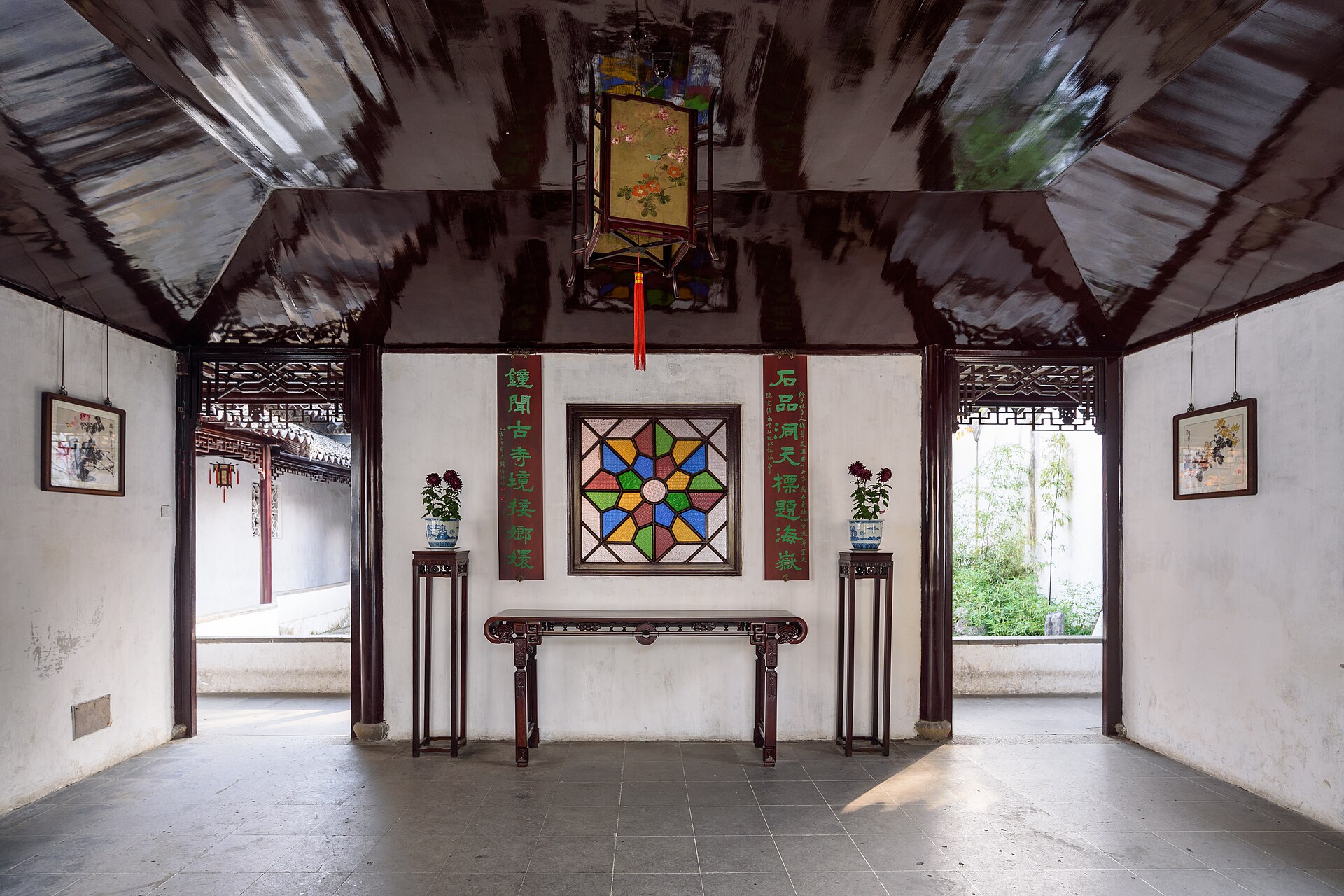
The Lion Grove Garden in Suzhou is one of those rare places where time seems to soften, where the rush of the world fades into something quieter. Built during the Ming Dynasty, this classical Chinese garden is more than just a scenic spot—it’s a living lesson in the balance between human craft and nature’s rhythms. Every rock, tree, and pond here has been placed with intention, following the principles of feng shui and Daoist philosophy. The garden isn’t large, but its design is so intricate that it creates the illusion of endless space, each turn revealing a new scene, a fresh perspective.
The garden’s story begins in the 14th century, when a retired official named Hu Wengming chose this site for his retreat. The name Lion Grove doesn’t come from actual lions but from the oddly shaped rocks that resemble the animals, their weathered surfaces hinting at both strength and stillness. Over the centuries, the garden changed hands, each owner adding their own touch while preserving its essence. During the Qing Dynasty, it became a gathering place for poets and artists who found inspiration in its landscapes. Today, it stands as a UNESCO World Heritage site, a testament to the enduring appeal of its design.
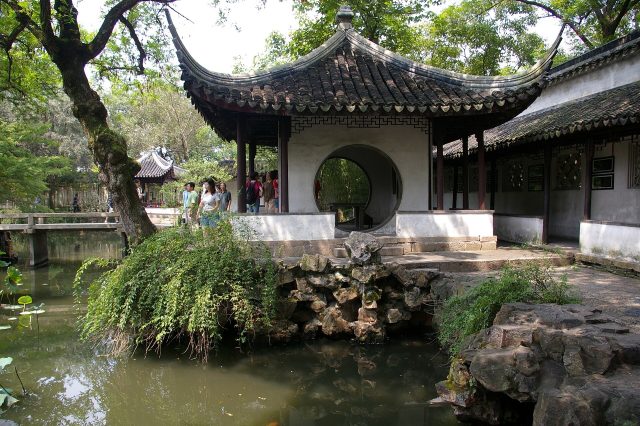
What makes Lion Grove Garden remarkable is how it plays with space and perception. Pavilions, bridges, artificial hills, and ponds are arranged not just for beauty but to create a sense of movement, as if the garden itself is breathing. Each pavilion has its own purpose—some for tea, others for moon gazing or reading poetry. The most famous is the Pavilion of Distant View, where the garden unfolds in layers, revealing its secrets slowly. The bridges aren’t just functional; they curve over the water like dragons, becoming part of the scenery rather than just a way to cross it.
The rocks here are a world of their own. Brought from Lake Taihu, they’re famous for their eroded, almost surreal shapes—some towering like mountains, others twisted into figures that seem alive. In Chinese culture, these stones symbolize longevity and wisdom, their rough textures contrasting with the smoothness of the water below. A few do resemble lions, frozen in mid-motion, which is how the garden got its name. Walking among them feels like stepping into a landscape painting, where every angle offers a new composition.
Water is the heart of Lion Grove Garden. The ponds are shallow, their surfaces shifting with the light—sometimes mirroring the sky, sometimes rippling with the wind. They connect the garden’s elements, giving it a sense of flow and impermanence. Willows dip their branches into the water, and carp swim lazily beneath the surface, their presence a quiet reminder of prosperity. The water isn’t just decorative; it’s the thread that ties everything together, reflecting the changing seasons and the passage of time.
This isn’t a place frozen in the past, though. Lion Grove Garden still feels alive, a space where traditional Chinese culture lingers in the details. Visitors can wander along paths paved with old stone tiles, sit in the shade of bamboo groves, or watch a tea ceremony unfold in one of the pavilions. The garden changes with the seasons—plum and peach blossoms in spring, lotuses in summer, chrysanthemums in autumn, and a quiet mist in winter, each bringing its own mood. Even the sound of the guqin, a traditional string instrument, sometimes drifts through the air, adding to the atmosphere.
Despite its popularity, the garden never feels crowded. Its design ensures that even on busy days, there’s always a corner where you can be alone with your thoughts. There’s no rush here, no loud announcements—just the rustle of leaves, the murmur of water, and the occasional laughter of visitors blending into the surroundings. It’s a place to step away from the noise of the city and remember what it’s like to simply be still.
Suzhou is often called the Venice of the East for its canals and bridges, but Lion Grove Garden is something deeper—it’s the city’s soul. There’s no grand spectacle here, no over-the-top luxury, just a quiet beauty that lingers long after you’ve left. It’s a place for those who appreciate slow walks, thoughtful observation, and the chance to touch history not through books but through the stones underfoot, the trees overhead, and the water that has flowed here for centuries. The garden isn’t just a tourist attraction; it’s a reminder that true harmony comes from the simplest things.