Tiger Hill in Suzhou is one of those rare places where history isn’t just remembered—it lingers in the air, in the worn stone steps, in the way the light filters through ancient trees. This modest hill, rising just above the city, has witnessed centuries of change, its slopes steeped in legend and quiet significance. The most enduring story claims that the founder of the Wu Kingdom, King He Lü, was buried here, and that three days after his interment, a white tiger appeared to guard his tomb. Whether the tale is true or not hardly matters; the hill carries the weight of its own past effortlessly, as if the stones themselves remember.
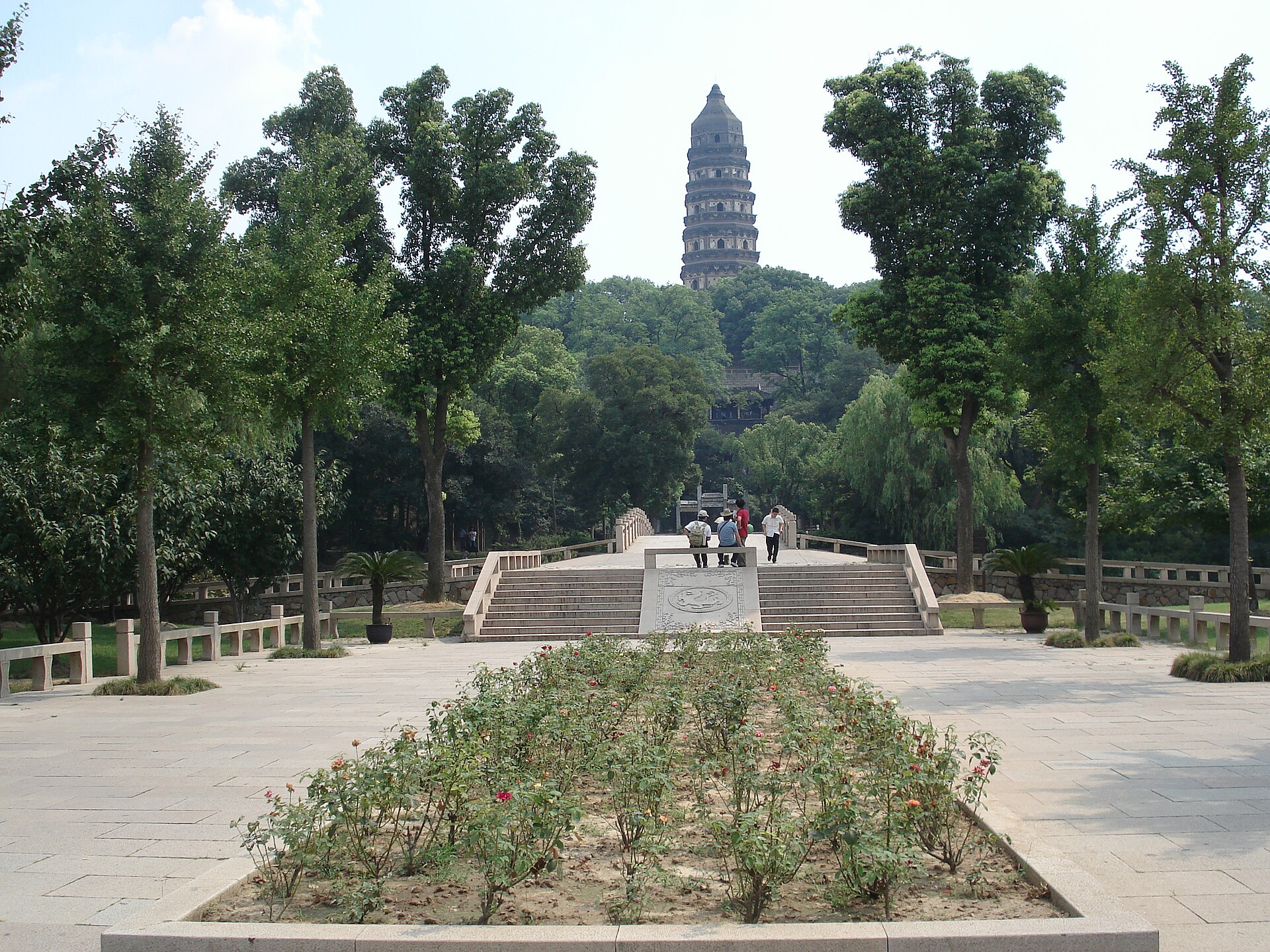
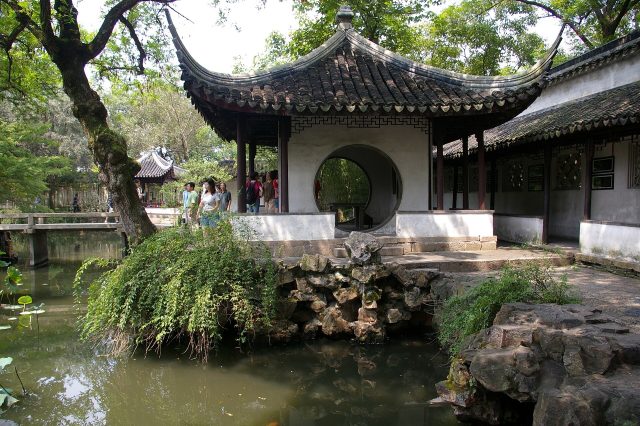
The climb to the top is short—barely thirty meters—but the journey feels like a step back in time. Along the way, visitors pass under weathered archways, cross delicate stone bridges, and pause beside ponds where koi glide beneath lily pads. The most striking feature is the Yunyan Pagoda, also known as the Cloud Rock Temple, built over a thousand years ago. Like its more famous Italian counterpart, it leans slightly, a quirk that only adds to its charm. Inside, seven tiers of Buddhist statues and faded murals lead upward, and from the top, Suzhou unfolds below—a city where canals weave between modern buildings and classical gardens, a living scroll of ink and water.
Beyond its architecture, Tiger Hill is a place of natural beauty. Ancient pines stretch toward the sky, their gnarled branches casting dappled shade over pavilions where visitors can sit and listen to the rustle of leaves. Spring brings magnolias and plum blossoms, their fragrance mingling with the damp earth, while summer turns the hill into a cool refuge from the city’s heat. Locals often come here in the early morning to practice tai chi or simply wander the paths, their presence adding to the hill’s serene, lived-in atmosphere.
Suzhou has long been one of China’s cultural heartlands, and Tiger Hill was a gathering place for scholars, poets, and artists during the Ming and Qing dynasties. They came seeking inspiration in its landscapes, leaving behind poems carved into stone that can still be found tucked among the trees. The hill embodies the Chinese ideal of harmony between man and nature, a principle that shaped the region’s renowned garden design. Even now, as Suzhou grows into a bustling metropolis, Tiger Hill remains a pocket of the past, a reminder of the city’s legacy as a center of philosophy and art.
One of the hill’s most intriguing mysteries is the tomb of King He Lü. According to legend, it lies hidden beneath the earth, its entrance guarded by stone lions. Archaeologists have searched for it, but the tomb’s location remains unknown, adding to the hill’s air of quiet enigma. Nearby, a garden with lotus ponds and softly lit lanterns in the evening enhances the sense of something just out of reach. Some guides spin tales of spirits wandering the paths, though the hill’s magic doesn’t rely on ghost stories—it’s enough to stand among the old trees and feel the weight of centuries.
Unlike a museum, Tiger Hill doesn’t feel curated or frozen in time. It’s a place where history and daily life coexist naturally. Visitors can spend hours here: climbing the pagoda, exploring hidden temples, or simply sitting by a pond with a cup of tea. Weekends bring crowds, yet the hill never feels overrun—its winding paths and secluded corners offer space for solitude. As dusk falls and lanterns flicker to life, the hill takes on a dreamlike quality, as if time moves differently here.
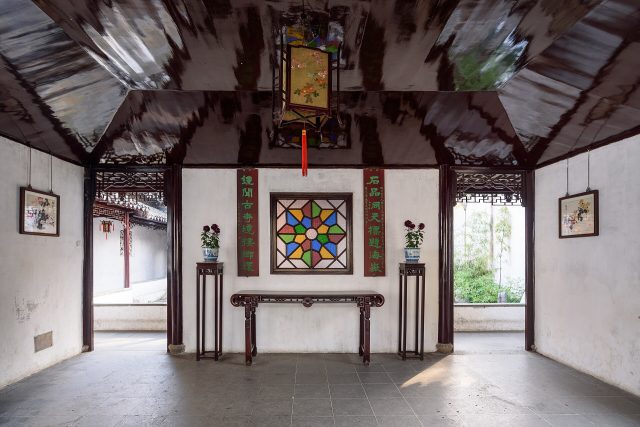
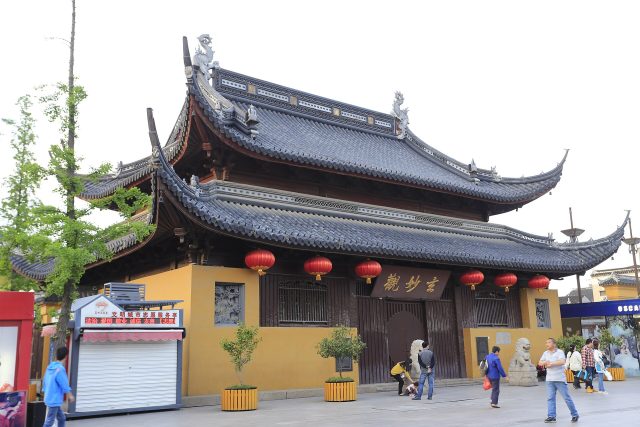
For those drawn to Chinese culture, Tiger Hill is a treasure. Its architecture is a masterclass in traditional design—curved eaves, intricate woodwork, and stone railings worn smooth by generations of hands. Even small details, like the patterns on doorframes or the carvings on windowsills, speak to enduring craftsmanship. Occasionally, the hill hosts exhibitions of calligraphy or ink paintings, offering a glimpse into the work of local artists who still draw inspiration from its surroundings.
Tiger Hill isn’t grand like the Great Wall or opulent like Beijing’s palaces. Its appeal lies in its unassuming authenticity. There’s no spectacle here, no attempt to impress—just a place that has existed for centuries, unchanged in its essence. It doesn’t need to be anything more than what it is: a quiet hill where history breathes, where the past and present coexist without fanfare. For anyone visiting Suzhou, it’s a place to pause, to step away from the rush of the modern world and feel the pulse of old China, still beating beneath the surface.