Mactan Shrine isn’t just another historical site in the Philippines—it’s a place where the past feels alive, where the weight of history presses against your skin. Perched on the shores of Mactan Island, just a short distance from Cebu, the shrine honors Lapu-Lapu, the local chieftain whose defiance against foreign invaders turned him into a national symbol. In the early 16th century, this was the stage for a battle that would alter the course of the archipelago. Lapu-Lapu and his warriors repelled the Spanish forces led by Ferdinand Magellan, who fell here, his ambitions cut short by a people unwilling to yield. Though the expedition continued without him, the clash marked the first act of resistance against European domination in the Philippines. The shrine isn’t merely a monument; it’s a quiet testament to the fact that even in an age of empires and global conquest, a small island could stand its ground.
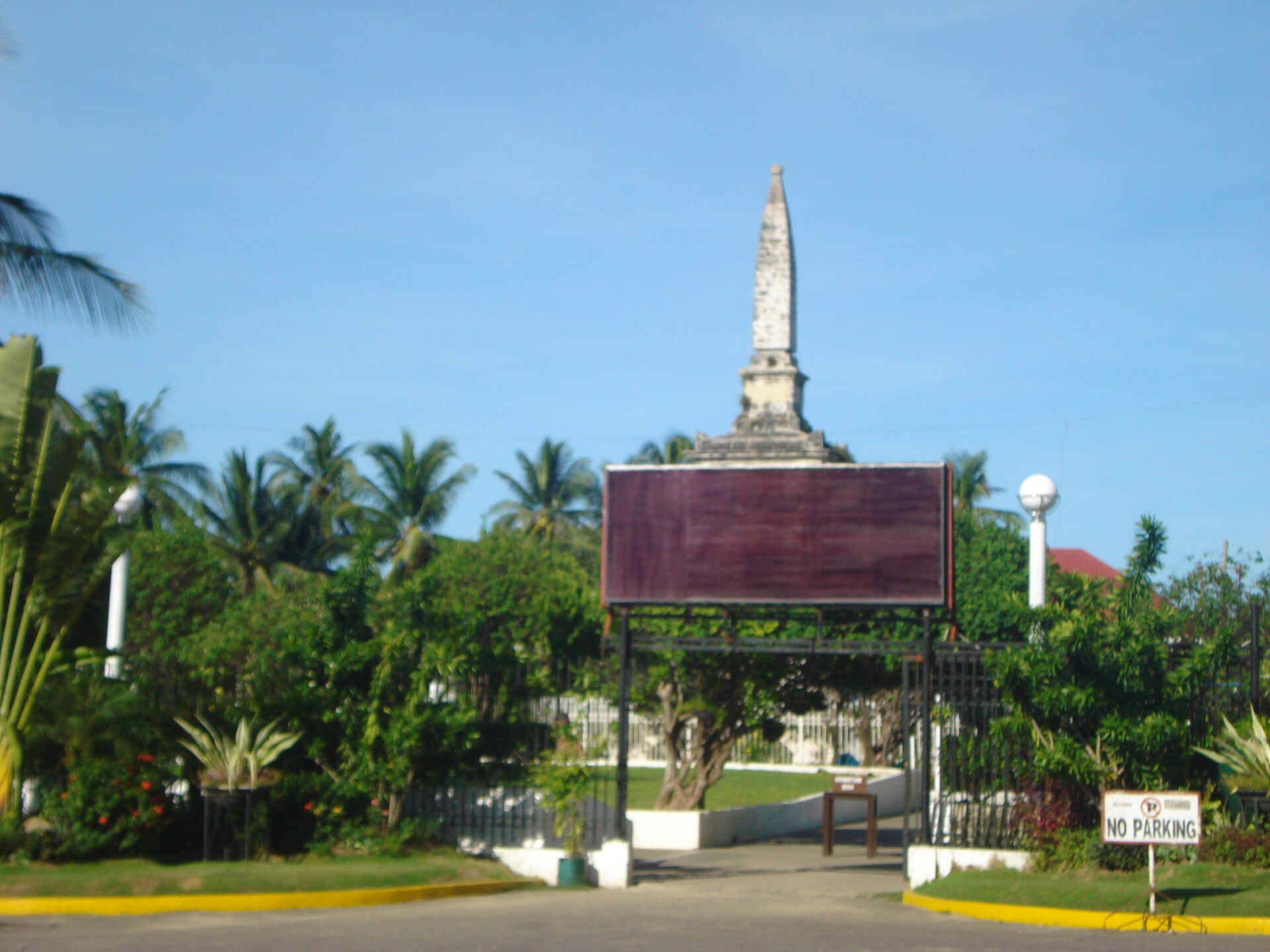
The architecture of the shrine is understated but deliberate. There are no towering spires or ornate carvings—just a memorial that feels like a natural extension of the landscape. At its heart stands a bronze statue of Lapu-Lapu, sword raised, frozen in the moment before battle. Around him, stone slabs bear reliefs depicting the events of that fateful day, their rough surfaces worn smooth by time and the salt air. The low walls, built from local stone, have taken on a weathered patina, giving the structure an air of permanence. Inside, there are no grand halls or elaborate decorations, just open space and silence, a place to reflect rather than marvel.
The location was chosen with purpose. The shrine sits on the very shore where the battle is believed to have taken place. Today, the only sounds are the rhythmic crash of waves, the cries of seabirds, and the occasional murmur of visitors. But if you listen closely, it’s not hard to imagine the chaos of five centuries ago—the crack of muskets, the clash of steel, the shouts of warriors defending their home. A small park surrounds the shrine, dotted with palm trees and benches where locals sometimes gather for picnics. There’s no tourist hustle here, no crowds jostling for photos. Just a sense of stillness, a quiet reverence for what once was.
For Filipinos, Mactan Shrine is more than a landmark; it’s a place of memory. Lapu-Lapu is celebrated as a national hero, his name etched into streets, schools, and even the city that now surrounds the shrine. Every year, ceremonies mark the anniversary of the battle, but even on ordinary days, people come—some to lay flowers, others simply to stand in silence. For foreigners, it’s a chance to step beyond the postcard image of the Philippines and understand the forces that shaped the country long before it became a beach destination. The shrine doesn’t offer grand narratives or dramatic reenactments. Instead, it invites you to consider the quiet courage of a people who refused to be erased.
Mactan Island itself is a study in contrasts. It’s known today for its resorts, white-sand beaches, and world-class diving spots, a playground for travelers seeking sun and sea. Yet the shrine sits slightly apart from this modern hustle, a reminder that the island has another story to tell—one that isn’t just about leisure but about legacy. Nearby, small stalls sell handmade souvenirs, local sweets, and traditional textiles. There’s no pressure to buy, no aggressive vendors. Just the easy rhythm of daily life, a glimpse into the island’s quieter side.
A visit to Mactan Shrine doesn’t take long, but its impact lingers. This isn’t a place for flashy photos or Instagram moments. There are no grand spectacles, no guided tours with rehearsed scripts. What it offers instead is something rarer: a chance to pause and consider how fragile history can be. Lapu-Lapu’s story has taken on almost mythic proportions in the Philippines, but the battle he fought was real, and the shrine preserves that memory. In a world that often feels fully mapped and claimed, places like this remind us that history isn’t just something we read about—it’s something we can still feel, if we take the time to listen.