The Lapu-Lapu Museum in the city that bears his name on Mactan Island is where Philippine history takes on a tangible form. This small but carefully curated space holds artifacts and exhibits that bring to life the early 16th century, when European explorers first set foot on these shores. At the heart of the museum’s narrative is Lapu-Lapu himself, the local chieftain who led the resistance against Ferdinand Magellan’s Spanish forces in 1521. The Battle of Mactan was the first recorded clash between Filipinos and Europeans, and though Magellan died in the fight, the encounter marked the beginning of centuries of colonial rule over the archipelago.
The museum itself is modest in size, but its exhibits are thoughtfully arranged. At the center of the main hall stands a bronze statue of Lapu-Lapu—proud, spear in hand, a silent reminder of the moment when the fate of a nation was decided on these very shores. Around the statue, glass cases display everyday objects from the era: pottery, weapons, and jewelry unearthed during excavations on Mactan. Among the most compelling pieces are reproductions of historical documents, including excerpts from the journals of Magellan’s crew, which describe the customs of the island’s people and the details of the battle.
The building’s architecture is simple and unassuming, yet it carries its own symbolism. Low ceilings and soft lighting create an atmosphere that draws visitors into the past, while large windows overlooking the sea serve as a constant reminder that these events unfolded where land meets water. The museum’s inner courtyard features a mosaic depicting scenes from pre-colonial life—fishermen, warriors, and artisans—offering a glimpse into a time when Mactan was an independent island with its own way of life.
For many Filipinos, Lapu-Lapu is more than just a historical figure; he is a national hero, a symbol of resistance and independence. The museum captures this sentiment without exaggeration or grandiosity. There is no attempt to romanticize the past, only a quiet respect for those who fought to defend their homeland. The exhibits present the events as they were—brutal, complex, and pivotal in shaping the Philippine identity.
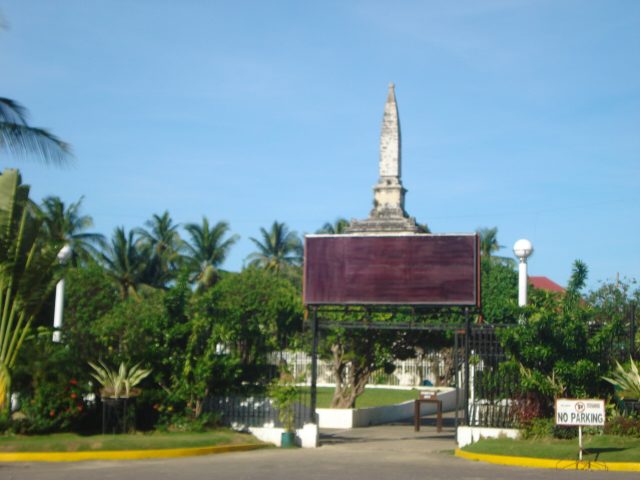
Just outside the museum lies the Mactan Shrine, a small but well-maintained park where another statue of Lapu-Lapu stands surrounded by figures of his warriors. The park overlooks the beach where, according to legend, the battle took place. Local festivals and ceremonies are often held here, particularly in April, when the anniversary of the battle is commemorated. On these days, the museum becomes a gathering place for schoolchildren, tourists, and residents alike, all coming to honor the memory of those who came before.
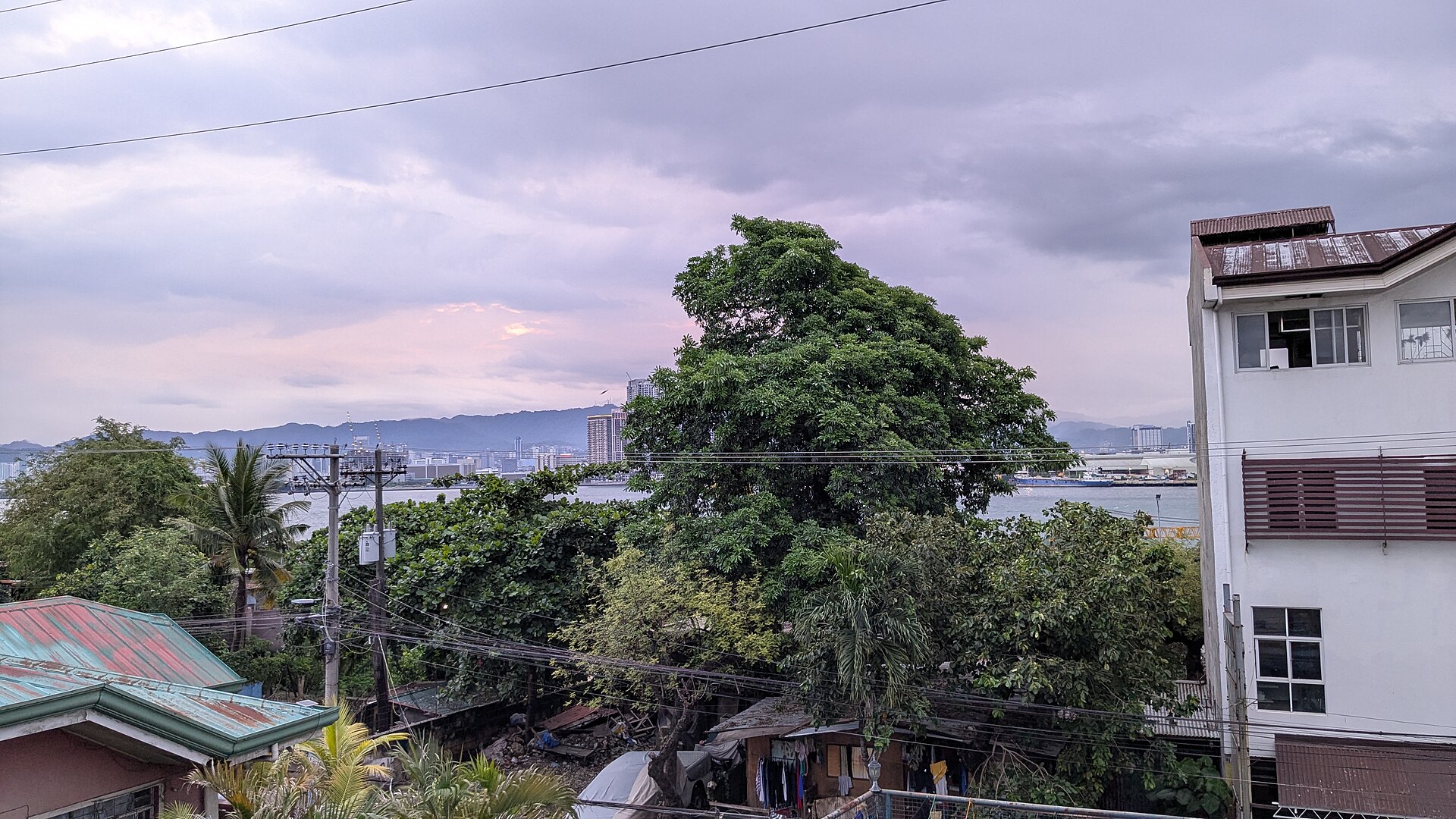
Visiting the Lapu-Lapu Museum is not just about learning history—it’s about feeling a connection to the Philippines of today. Lapu-Lapu City is now a bustling coastal area with hotels, markets, and restaurants, where tourists relax on the beaches and locals go about their daily lives. Yet just a short walk from the main road, the noise of modern life fades, and history takes center stage. It’s easy to imagine how it all began: the first encounters, the misunderstandings, the conflicts, and the inevitable collision of two worlds.
The museum doesn’t aim to tell the entire story of the Philippines. Its purpose is simpler—to recount one battle, one life, one moment that shaped a nation. And in doing so, it succeeds. Visitors leave with the sense that they’ve touched something real, unfiltered by tourist myths. That may be why the Lapu-Lapu Museum remains one of those rare places where history isn’t just preserved behind glass but lives on in the memories of those who walk through its doors.