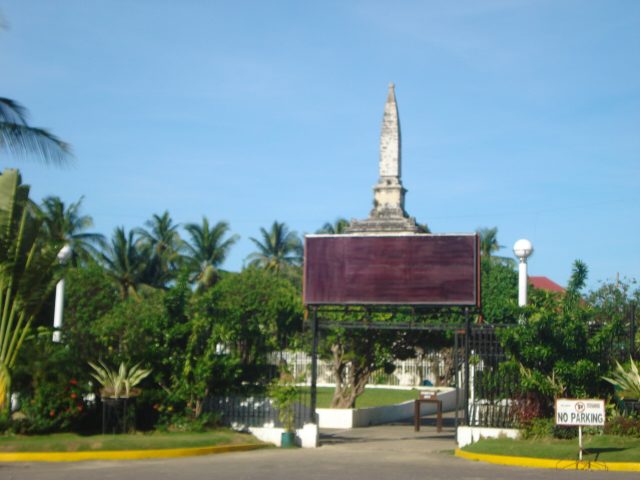
Mactan Beach feels like a place where time moves differently, where the past and present coexist without effort. Stretching along the eastern shore of Mactan Island, just a short drive from Cebu City across the bridge, it’s more than just a stretch of sand and sea. This is where history was written—literally. In 1521, the shores of Mactan witnessed the clash between local warriors led by Chief Lapu-Lapu and the Spanish expedition under Ferdinand Magellan. The battle ended in Magellan’s defeat, marking one of the earliest recorded resistances against colonial rule in the Philippines. Today, a towering statue of Lapu-Lapu stands near the waterfront, a quiet reminder of that moment, drawing visitors who come not just for the sun but for a sense of connection to the island’s legacy.
The beach itself is deceptively simple. The sand is soft and pale, the water clear and warm year-round, with a gentle slope that makes it welcoming even for those who aren’t strong swimmers. Unlike the more commercialized resorts further south, Mactan retains a relaxed, almost unassuming character. There are no crowded beach bars or loud music here—just the sound of waves lapping against the shore and the occasional laughter of families picnicking under the palm trees. The best time to visit is late afternoon, when the sun dips low, painting the sky in shades of pink and gold, and the air cools just enough to make a walk along the water feel like a small luxury.
The island’s architecture is understated but telling. Low-slung houses with terracotta roofs line the streets, their facades weathered by salt and sun. Small guesthouses and local eateries blend into the landscape, their presence unobtrusive. The waterfront is where the island’s rhythm is most visible—fishermen unloading their catch at dawn, their colorful *bangka* boats bobbing in the shallows. These outriggers, with their vibrant sails, are a living part of Mactan’s identity, a tradition passed down through generations. Watching them glide across the water at sunrise, it’s easy to forget how close the modern world really is.
For many, Mactan is synonymous with the ocean’s hidden wonders. The waters around the island are part of the Coral Triangle, home to some of the most diverse marine ecosystems on the planet. Even from the shore, snorkelers can spot schools of tropical fish darting among the corals, while divers venture further out to explore underwater caves and reef walls teeming with life. Sea turtles glide through the currents, and if you’re lucky, you might even spot a reef shark in the distance. Dive shops along the beach offer guided trips to nearby sites like the Kontiki Reef or the deeper waters off Olango Island, where the visibility can stretch over thirty meters on a clear day.
Yet Mactan isn’t just about what lies beneath the waves. The island has a way of slowing you down, of making the small things feel significant. Morning markets sell freshly caught seafood—shrimp, squid, and fish still glistening from the sea—while roadside stalls offer mangoes so ripe they nearly burst with juice. In the evenings, families gather at open-air grills where the scent of *lechon*, the famous roasted pig, mingles with the salt air. The food here is unpretentious but deeply flavorful, a reflection of the island’s culture: simple, generous, and rooted in tradition.
Beyond the beach, Mactan holds a few quiet surprises for those willing to look. The Basilica of Santo Niño, a short drive away in Cebu City, is one of the oldest churches in the Philippines, housing a revered statue of the Child Jesus that draws pilgrims from across the country. Closer to the shore, the Mactan Museum offers a glimpse into the island’s past, from its pre-colonial days to its role in the nation’s struggle for independence. The exhibits are modest but thoughtfully curated, a counterpoint to the more tourist-driven attractions elsewhere.
What makes Mactan special is its lack of pretense. There are no artificial lagoons or overwater bungalows here, no carefully staged performances of local culture. Instead, there’s the real thing: the way the light catches the waves in the afternoon, the way the fishermen mend their nets by the shore, the way the island breathes with the tides. Some visitors come for the diving, others for the history, and a few simply to sit under a tree and watch the world go by. Whatever brings you here, Mactan has a way of making you feel at ease, as if the island itself is inviting you to slow down and stay awhile.
The best part is that it doesn’t demand anything in return. You don’t have to be an adventurer or a history buff to appreciate it. You can spend your days swimming, reading, or wandering the quiet streets, and the island will still feel like it’s yours. That’s the beauty of Mactan—it’s not trying to be anything other than what it is. A place where the sea meets the sky, where the past lingers without overpowering the present, and where the simplest moments often leave the deepest impressions.